


 Blog
The Essential Seasonal Home Maintenance Checklist: Decoding Fall HVAC Startup Smells and Sounds

The First Chilly Evening: Facing the Mid-Fall Heating Startup
You switch your thermostat to heat for the first time in months, expecting cozy warmth, but instead, your seasonal home maintenance checklist becomes an urgent priority when you are met with a harsh burning smell and strange rattling noises. At AirPoint Heating & Air Conditioning, we see the mid-fall heating startup bring a wave of anxiety for homeowners every single October. After sitting completely dormant throughout the long, hot summer, your furnace or heat pump is suddenly called into action. That first chilly evening should be relaxing, but a sudden odor of burning dust or a loud clank from the vents can quickly ruin the mood. Is your system actually broken, or is it just waking up? Understanding how to decode these common startup smells and sounds is the key to a safe, stress-free transition into the cooler months.
For comprehensive support with your system, explore our air conditioning services and heating solutions.
What Physically Happens Inside a Dormant HVAC System?
Before you panic about a strange odor coming from your vents, it helps to understand the physical realities of your heating equipment. When a heating system sits idle because of mild summer weather, it undergoes subtle changes that directly affect its first performance of the season. Decoding these physical changes is the first step in diagnosing whether your system is safe to run.
The Impact of Summer Dormancy
During the cooling season, your heating components take a back seat. In our years of servicing areas like Los Alamitos, our team knows firsthand that our long, warm Southern California summers mean heating systems sit completely unused for extended periods. This prolonged dormancy allows a significant amount of dust, pet dander, and microscopic household debris to settle on internal components.
Because there is no active airflow moving over the heat exchanger or the electric heating strips during the summer months, this debris builds up in a fine layer. The longer the system sits inactive, the thicker this layer of settled dust becomes. By the time October arrives, your heating elements are essentially wearing a blanket of household particulate matter.
The Science of Dust Burn-Off
The problem: When you finally trigger the thermostat to warm the house, the internal components heat up rapidly. A gas furnace ignites its burners, and a heat pump engages its supplemental heating strips.
The cause: These components reach high temperatures almost instantly. The fine layer of dust and dander that accumulated over the summer is suddenly subjected to intense heat.
The solution: What you are smelling is the physical process of "dust burn-off." The initial ignition temperatures vaporize the settled dust, creating a distinct, slightly smoky odor that travels through your ductwork and into your living spaces. This temporary smell is a normal physical reaction, not necessarily a sign of system failure. Typically, we see this dust burn-off last anywhere from 30 to 60 minutes before dissipating entirely. While the initial smell is normal, any odor that lingers for hours or days requires immediate professional attention.
Normal vs. Abnormal: Deciphering Startup Smells and Sounds
Heating equipment is a leading cause of home fire deaths, making it critical not to ignore severe warning signs. While some quirks are simply part of the mid-fall heating startup, other symptoms point to dangerous mechanical or electrical failures. Knowing the difference protects your home and your family.
Harmless Quirks to Expect
When you initiate that first heating cycle, your system will make its presence known. A brief burning dust smell is standard, as we discussed. You may also hear the initial clicking of igniters or the hum of the blower motor spinning up. As warm air pushes through cold metal ductwork, the metal expands. This expansion often causes minor popping or pinging sounds. These are temporary, harmless quirks that fade quickly as the system reaches its normal operating temperature.
Warning Signs to Never Ignore
Conversely, certain sounds and smells indicate an immediate hazard. If you detect an acrid electrical burning smell, an odor resembling melting plastic, or the distinct smell of ozone, shut the system down at the thermostat immediately. These odors suggest overheating wires or failing electrical components. Likewise, persistent loud rattling, grinding, or metal-on-metal screeching indicates a serious blower motor or fan issue. Continuous smoke coming from the vents is an absolute emergency.
Just last season, one local homeowner we served experienced a complete heater breakdown during a sudden winter cold snap after ignoring early warning signs like persistent grinding noises. Our AirPoint Heating & Air Conditioning team responded the same day, repaired the immediate hazard, and ultimately replaced the failing equipment with a high-efficiency system and new ductwork to restore safety to the home.
• Brief burning dust smell (under 1 hour) — Likely Cause: Summer dust vaporizing on heat strips — Action Required: Monitor; normal operation.
• Occasional popping or pinging — Likely Cause: Metal ductwork expanding with heat — Action Required: None; normal thermal expansion.
• Acrid, melting plastic, or electrical smell — Likely Cause: Overheating wires or failing motor — Action Required: Turn off immediately; call a professional.
• Loud grinding or persistent banging — Likely Cause: Broken blower fan or loose internal mount — Action Required: Turn off immediately; call a professional.
• Continuous smoke from vents — Likely Cause: Active internal combustion or severe failure — Action Required: Evacuate, shut off power, call emergency services.

Your Essential Seasonal Home Maintenance Checklist (HVAC Edition)
Preparation is the best defense against unexpected breakdowns. While some tasks require a licensed expert, there are several critical steps you can take to prepare your system safely. Testing the heating system on a mild October evening is far better than waiting for the first unexpected drop into the 50s. Here is your actionable, DIY-friendly seasonal home maintenance checklist for the fall transition.
Inspecting and Replacing Air Filters
Your air filter is the primary defense against airborne debris, and starting the heating season with a clogged filter forces your system to work significantly harder than necessary.
• Locate your filter compartment: Usually found near the indoor air handler or behind a large return grille in a hallway or ceiling.
• Check the size: Always use the exact dimensions printed on the side of your old filter.
• Evaluate the condition: If the filter is gray, visibly coated in dust, or you cannot see light through it, it must be replaced.
• Establish a schedule: Air filters should typically be replaced every 1 to 3 months to ensure proper airflow and prevent overheating the heat exchanger.
Clearing Vents and Testing the Thermostat
Over the summer, furniture, rugs, and curtains often get shifted around the house. A blocked vent can cause pressure imbalances in your ductwork and force your heating system to short-cycle.
• Walk the perimeter: Check every room to ensure supply registers and return grilles are completely unobstructed.
• Test the thermostat: Switch the system from "Cool" to "Heat" and raise the temperature a few degrees above the current room temperature.
• Run a test cycle: Let the system run for 15 to 20 minutes. Listen for the normal sequence of operations: a click, the sound of the inducer motor, ignition, and finally the main blower pushing warm air.
• Verify warmth: Place your hand near a vent to confirm the air blowing out is actually warm.
What Belongs on a Professional Pre-Winter Inspection Checklist?
While clearing vents and changing filters are excellent DIY tasks, the internal mechanics of a heating system require specialized training. Certain tasks legally and safely require a licensed HVAC professional. Preventative checkups catch failing components before they cause a complete system breakdown mid-winter, providing the peace of mind that comes with a verified safe system.
Another local homeowner we recently worked with realized their outdated heating system, old ducts, and aging thermostat were no longer safe or effective. By scheduling a professional winter modernization with our team, our technicians replaced the old ducts, heating unit, filters, and thermostat ahead of schedule, leaving the home clean and fully prepared for the cold. To ensure your system is ready, schedule an HVAC evaluation before the freezing weather hits.
Heat Exchanger and Carbon Monoxide Checks
The heat exchanger is the metal shield that separates the combustion process from the air you breathe.
1. Visual inspection: Technicians use specialized cameras to inspect the heat exchanger for microscopic cracks.
2. Safety verification: Even a hairline crack can allow deadly carbon monoxide (CO) to leak into your living space.
3. Combustion analysis: Professionals test the flue gases to ensure the furnace is burning fuel cleanly and venting exhaust safely outdoors.
Electrical and Motor Diagnostics
Summer vibrations from the air conditioning cycle can loosen internal electrical connections within the shared air handler.
1. Tightening connections: A technician will inspect and tighten all wiring harnesses to prevent electrical arcing or shorts.
2. Checking amp draws: By measuring the electrical current drawn by the blower motor, a professional can tell if the motor is struggling and nearing failure.
3. Testing safety switches: Limit switches and flame sensors are tested to ensure they will properly shut the system down in the event of an unsafe condition.
Evaluating System Efficiency Before Deep Winter
Sometimes, a struggling system during the fall startup indicates a broader efficiency problem rather than a simple maintenance issue. If your unit takes hours to clear the morning chill or makes loud groaning noises every time it starts, it may be costing you a fortune in wasted energy.
Identifying Aging, Inefficient Units
Older units with low SEER (Seasonal Energy Efficiency Ratio) ratings or failing heating components drive up monthly utility bills. You might notice uneven heating across different rooms, where the living room is sweltering but the bedrooms remain freezing. Frequent repairs are another major red flag. If you are paying for a repair every single fall just to get the system running, those costs quickly outpace the value of the aging equipment.
Calculating Long-Term Energy Savings
Modern heating and cooling systems are vastly more efficient than models manufactured even ten years ago. However, determining if an upgrade makes financial sense requires looking at real-world energy savings. You have to weigh the upfront cost of high-efficiency units against the long-term utility bill reductions.
Using tools like a SEER savings calculator can help you project exactly how much your utility bills might drop with a new system. It is important to understand efficiency ratings for your specific home size and layout. However, the highest rating is not always the best financial choice for every home. Learning why upgrading to 16 SEER isn't always worth the cost can protect you from over-investing in technology that will take decades to pay for itself in your specific climate.
Planning for Upgrades with Confidence and Guarantees
Discovering the need for a new system during a routine fall checkup can feel incredibly stressful. No homeowner wants to hear that their furnace or heat pump has reached the end of its safe operational life. However, uncovering this reality in October is vastly preferable to dealing with a sudden, catastrophic breakdown in the middle of a January cold snap. Planning an upgrade in the fall allows you to make calm, informed decisions without the emergency rush of a mid-winter failure.
The good news is that replacing your system does not have to drain your savings account all at once. There are numerous flexible HVAC financing options and potentially utility or federal tax incentives available that make high-efficiency upgrades accessible and manageable on a monthly budget. You can structure payments to fit your financial situation while immediately enjoying the benefits of lower utility bills and improved home comfort.
When navigating a major home upgrade, who you work with matters just as much as the equipment you choose. At AirPoint Heating & Air Conditioning, we believe it is vital to partner with a team that offers a 100% Satisfaction Guarantee and provides transparent, honest guidance. Our trustworthy professionals will ensure you get the right size system for your square footage and will actively prevent you from overpaying for ultra-high efficiency ratings if your home will not see a realistic return on investment. Confidence comes from knowing your installation is backed by strong guarantees and expert craftsmanship.
Frequently Asked Questions About Fall HVAC Maintenance
Why does my heater smell like burning dust when I turn it on?
This is a normal physical reaction caused by dust burn-off. Over the summer, dust and pet dander settle on the dormant heating elements and heat exchangers. When the system ignites for the first time in the fall, these high temperatures vaporize the accumulated debris, creating a temporary smoky odor. As long as the smell dissipates within an hour, your system is operating normally.
What should be on a fall home maintenance checklist?
Your checklist should prioritize safety and efficiency as the weather cools. Key tasks include replacing your HVAC air filter, ensuring all room vents are unblocked by furniture, and running a 15-minute test cycle on your heating system. Additionally, you should test all smoke and carbon monoxide detectors, as heating equipment relies on combustion or high-heat electrical elements.
How do I prepare my HVAC system for winter?
Start by clearing the area around your indoor air handler and outdoor condenser unit to ensure proper airflow. Next, replace your air filter with a fresh one to reduce strain on the blower motor. Finally, schedule a professional pre-winter inspection so a licensed technician can verify the integrity of your heat exchanger and tighten any loose electrical connections.
Is it normal for a furnace to smell the first time you use it?
Yes, a brief odor is entirely normal during the first startup of the season. The smell is simply the vaporization of household dust that settled on the burners during the summer months. However, if the smell resembles melting plastic, electrical ozone, or lasts for several hours, you should turn the furnace off immediately and contact a professional.
How long should the burning smell last when turning on the heat?
The standard dust burn-off smell should only last between 30 and 60 minutes. Once the initial layer of settled summer dust has vaporized, the air coming from your vents should smell clean and neutral. If a burning odor persists beyond that first hour, it may indicate a deeper mechanical or electrical issue requiring professional diagnosis.
When should I call a professional for a pre-winter HVAC inspection?
The best time to call a professional is in early to mid-fall, ideally before the first major temperature drop forces your system to work at maximum capacity. You should also call immediately if your initial test run produces loud grinding noises, continuous smoke, or acrid electrical smells. Catching minor wear and tear in October prevents major breakdowns in December.
Ensure a Safe and Warm Season Ahead
Completing a thorough seasonal home maintenance checklist is the absolute best way to protect your home, lower your energy bills, and ensure your family stays comfortable all winter long. By understanding the difference between harmless dust burn-off and serious mechanical hazards, you can approach the mid-fall heating startup with total confidence. Peace of mind comes from knowing your heating equipment is operating safely, efficiently, and exactly as designed. If you experience any persistent smells, strange noises, or simply want the reassurance of an expert set of eyes on your system, do not wait for the freezing weather to arrive. Reach out to our team today to schedule an HVAC evaluation and secure a warm, worry-free season.
Other Blogs
Latest Blog Posts
How to Use a SEER Savings Calculator to Compare Heating and Cooling Upgrades

Why Does My Furnace Smell Like Burning? Fall Heating Startup FAQ

Using a SEER Savings Calculator: Balancing Efficiency Upgrades with Fall HVAC Prep

Customer Testimonials


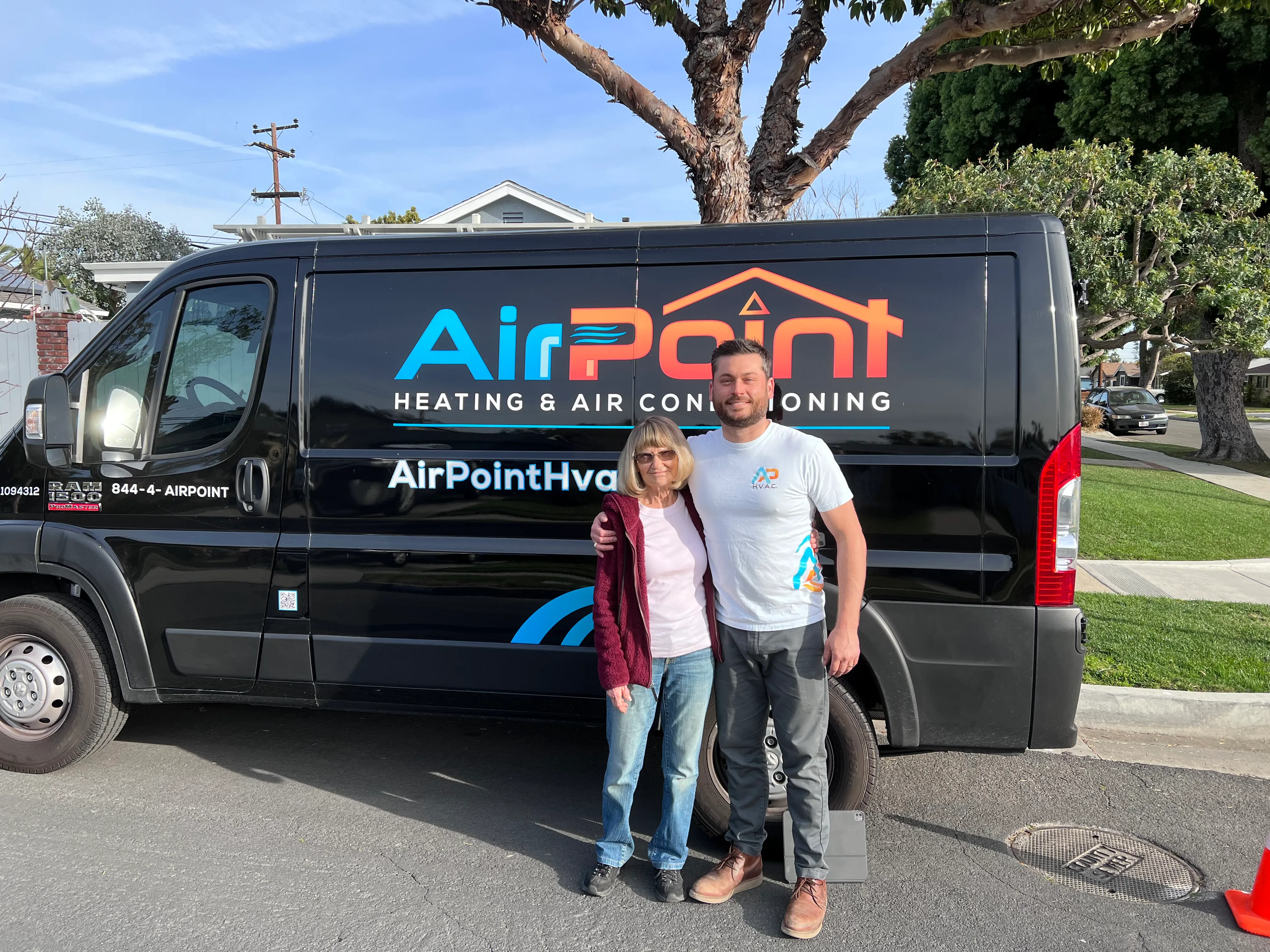
I recommend Air Point for your HVAC needs."