



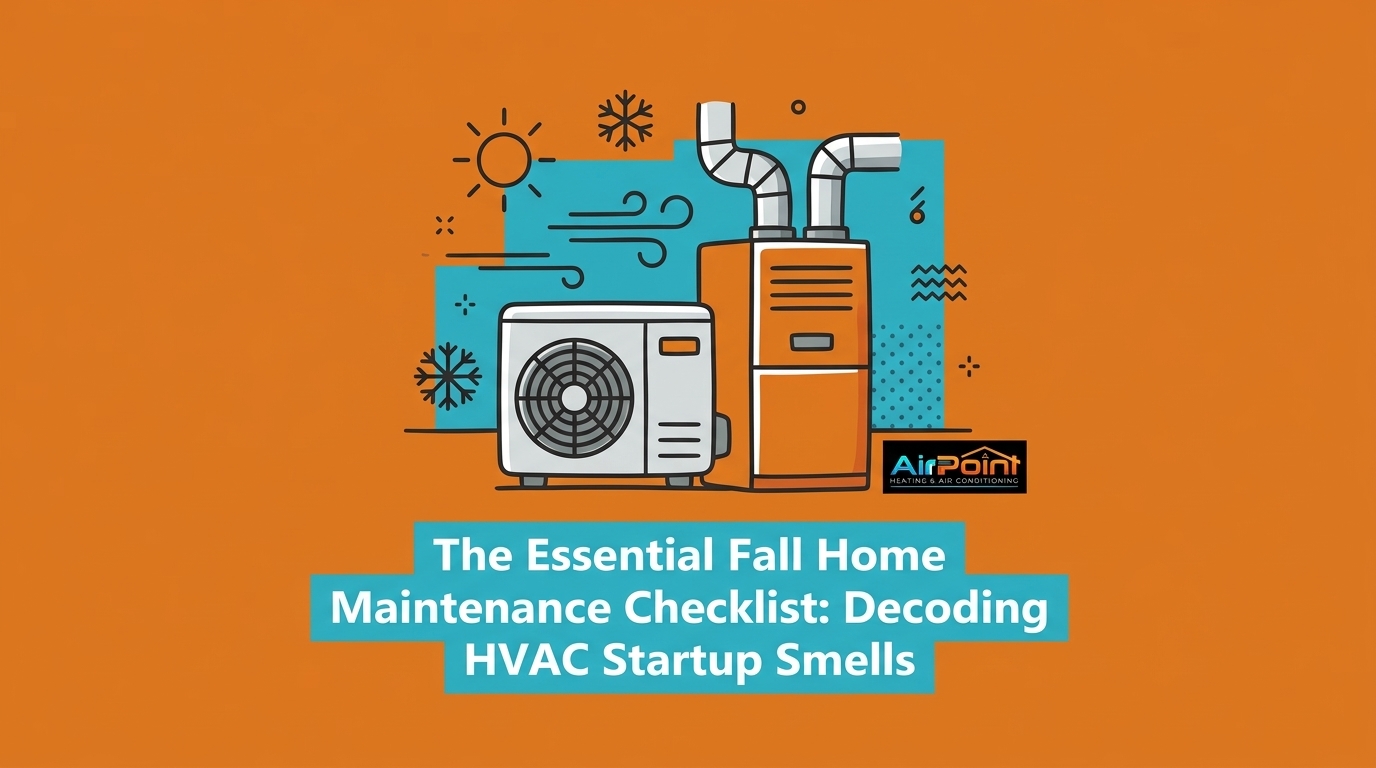
The Essential Fall Home Maintenance Checklist: Decoding HVAC Startup Smells
The First Chilly Autumn Night: What to Expect When You Turn On the Heat
That strange burning smell from your vents isn't going away on its own, and the house still feels a bit chilly. When creating your seasonal home maintenance checklist, evaluating your heating system's startup behavior should be at the very top. At AirPoint Heating & Air Conditioning, our team fields dozens of calls every mid-fall / October when a homeowner's furnace kicks on for the first time and immediately fills the hallway with an unfamiliar odor.
Whether you need comprehensive Air Conditioning maintenance after a long summer or a pre-winter heating assessment, proactive care is the key to lasting comfort.
In Southern California, our climate presents a unique challenge for heating equipment. Because of our exceptionally long, intense cooling seasons, your furnace or heat pump often sits completely dormant for six to eight months. During this extended off-season, dust, pet dander, and airborne particles settle deep inside the system. When the first cool evening finally arrives and you adjust the thermostat, all that accumulated debris reacts to the sudden heat.
Understanding what happens inside your ductwork and equipment during this initial startup is critical. It allows you to shift from a reactive mindset—scrambling for emergency repairs when it's freezing outside—to a preventative approach. By knowing exactly which sounds and smells are harmless and which are immediate red flags, you can protect your family's safety and ensure your home remains comfortable all winter long.
Dust Burn-Off vs. Danger: Evaluating Furnace Odors
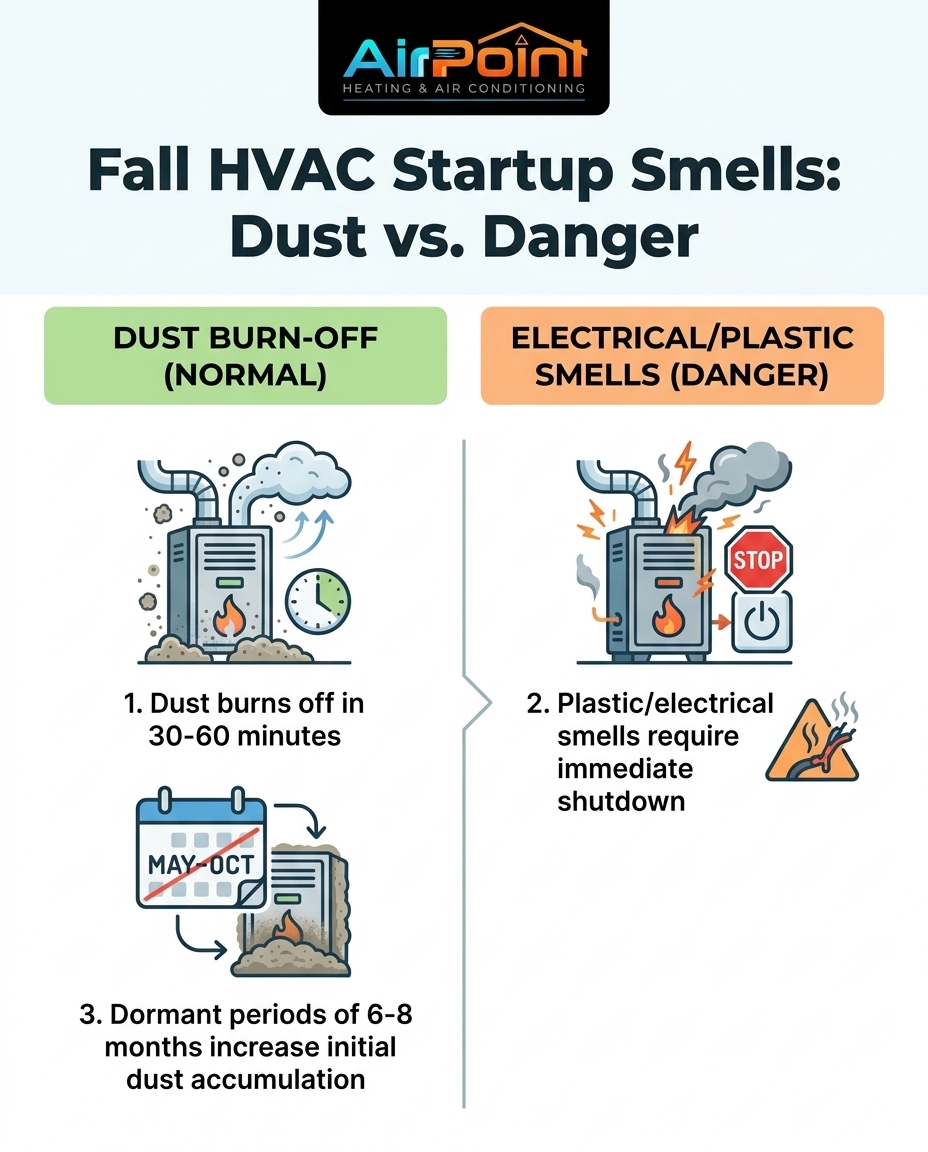
The short answer is that most initial furnace odors are harmless, but you must know how to tell the difference. When your heating system sits inactive throughout the spring and summer, a fine layer of household dust naturally coats the internal components, particularly the heat exchanger. The heat exchanger is the metal shield that safely transfers heat into your air supply while keeping combustion gases out.
As soon as the burners ignite for the first time, those metal components rapidly heat up, incinerating the settled dust. This process creates a distinct, slightly smoky, or dusty odor that pushes through your supply vents. In our years of servicing homes around Los Alamitos CA, our technicians have found that dry summer winds can increase indoor dust levels, making this initial burn-off quite noticeable.
The standard timeline: Normal dust burn-off typically dissipates within 30 to 60 minutes of the very first heating cycle. If the smell lingers for hours or returns every time the system runs, you are no longer dealing with simple off-season dust.
• Light, dusty burning smell — Likely Cause: Dust on the heat exchanger — Required Action: Monitor for 30-60 minutes; should fade quickly.
• Acrid, burning plastic — Likely Cause: Melting wire insulation or foreign object in ducts — Required Action: Turn off immediately; call a professional.
• Sharp, electrical or ozone smell — Likely Cause: Failing blower motor or overheated circuitry — Required Action: Turn off immediately at the thermostat and breaker.
• Rotten egg or sulfur smell — Likely Cause: Natural gas leak — Required Action: Evacuate the home and call the gas company.
When to Monitor and When to Turn It Off
If you only smell a faint dusty odor, the best approach is to monitor the situation. You can safely open a few windows to ventilate the home during that initial 60-minute window to help clear the air. Keep a close eye on the system while it runs its first full cycle.
However, if the smell suddenly changes to a sharp electrical odor, resembles melting plastic, or is strong enough to trigger your smoke alarms, take immediate action. Turn the system off at the thermostat right away. Do not attempt to run it "just to see if it clears up." Electrical smells often indicate an overheating blower motor or compromised wiring, which pose severe fire hazards and require professional diagnostic tools to resolve safely.
The Preventative Fall Home Maintenance Checklist
A mid-fall / October heating startup is the perfect trigger to complete your seasonal home preparations. Rather than just focusing on cosmetic chores, a truly effective checklist prioritizes home safety, indoor air quality, and mechanical reliability.
Based on the common issues our team sees during fall service calls, here is the essential breakdown of what you should inspect and address before the cold weather sets in permanently:
• Clear all supply and return vents: Over the summer, you may have rearranged furniture or placed rugs over floor registers. Blocked vents restrict airflow, forcing your blower motor to work significantly harder and increasing the risk of overheating. Ensure there is at least two feet of clearance around every vent.
• Test and update safety detectors: Before your heating equipment runs regularly, test every smoke and carbon monoxide (CO) detector in the house. Replace the batteries if you haven't done so in the past six months. Since gas furnaces produce carbon monoxide, a functioning CO detector is a non-negotiable safety requirement.
• Evaluate and replace your HVAC filter: A clogged filter is the number one cause of poor indoor air quality and restricted airflow. If your filter is gray and caked with dust from the summer cooling season, swap it out immediately. If you want to improve your home's air quality further, spend some time understanding MERV ratings and air filters to select a filter that captures more allergens without suffocating your system.
• Inspect the outdoor unit: If you use a heat pump, head outside and clear away any fallen leaves, overgrown branches, or debris that may have accumulated around the condenser cabinet. The system needs unobstructed airflow to extract heat efficiently.
• Check your thermostat programming: Verify that your thermostat is set to "heat" and review your daily schedule. Adjusting the programmed temperatures for your winter routine can significantly reduce unnecessary energy consumption.
Addressing Unexpected System Lockouts After Dormancy
Sometimes, the problem during a mid-fall / October heating startup isn't a strange smell—it's absolute silence. You set the thermostat to heat, hear a faint click, and then nothing happens. When a heating system refuses to ignite, it has likely entered a safety lockout mode.
A system lockout occurs when the furnace's internal control board detects a potentially dangerous condition and intentionally shuts down the ignition sequence to prevent a hazard. Modern heating equipment is packed with sensors that monitor airflow, gas pressure, and exhaust ventilation. If any of these parameters fall outside the safe operating range, the system protects itself by refusing to run.
Common culprits behind a lockout:
• Dirty flame sensors: The flame sensor is a small metal rod that detects whether the gas burners have successfully lit. Over months of dormancy, this sensor can become coated in microscopic dust or light oxidation. If it cannot sense the flame, it shuts off the gas valve within seconds to prevent raw gas from flooding your home.
• Blocked exhaust flues: Birds, rodents, or insects sometimes build nests in furnace exhaust pipes during the summer. If the system detects that combustion gases cannot vent safely outdoors, a pressure switch will trip, locking out the system.
• Thermostat miscommunication: Weak batteries or a loose wire behind the thermostat faceplate can prevent the "call for heat" signal from ever reaching the control board.
If your system is locked out, check your thermostat batteries and ensure your air filter is clean. Beyond those basic steps, our team strongly advises that you never attempt to bypass internal safety switches or clean sensitive internal sensors yourself. These safety mechanisms exist to prevent fires and carbon monoxide exposure. When a lockout persists, it is time to schedule professional HVAC Services to diagnose the root cause safely.
Preparing Aging Systems for Winter Reliability
Not all heating systems bounce back easily after a long summer off. As equipment ages, the internal components suffer cumulative wear and tear that a basic filter change cannot fix. If your system is over ten years old, preparing it for winter requires a closer look at its overall mechanical health.
Our technicians recently helped a homeowner whose older, run-down HVAC unit began struggling with a leaky compressor. The unit had been limping along, driving up utility bills and failing to keep the house comfortable. Our professional team performed a complete system tune-up, repaired the compressor issue, topped off the necessary refrigerants, and thoroughly cleaned the internal components. As a result, the unit was successfully serviced and prepared to run much more efficiently for the remainder of the season.
When evaluating your own equipment in Los Alamitos CA, watch for signs of severe wear. Look for deteriorating insulation wraps on outdoor piping, listen for unusually loud grinding noises from the blower motor, and note if the system struggled to keep up during the final heat waves of summer. If the air conditioner worked overtime, the shared internal components—like the indoor fan motor—are already fatigued heading into winter.
Calculating the Value of an Efficiency Upgrade
A comprehensive tune-up is vital for restoring lost efficiency and preventing mid-winter breakdowns. However, there comes a point where maintaining an aging system yields diminishing returns. Older units naturally cost more to operate over time as motors lose their torque and heat exchangers become less effective.
When considering the future of your home comfort, it helps to evaluate the long-term return on investment (ROI) of keeping an old system versus upgrading to modern technology. Today's high-efficiency systems utilize variable-speed motors and advanced thermal engineering to drastically reduce the energy required to heat your home. Furthermore, federal tax credits and local utility rebates may apply to qualifying heat pump installations, making an upgrade more accessible. We advise readers to verify current programs with their utility provider or a tax professional. If your current system is constantly breaking down or causing your utility bills to spike, exploring modern Heat Pump Upgrades might provide better long-term reliability and lower monthly operating costs than endless reactive repairs.
Frequently Asked Questions About Fall Heating Safety
Why does my furnace smell like burning when I turn it on for the first time?
A burning smell during the first mid-fall / October heating startup is usually caused by dust incinerating on the heat exchanger. Over the summer months, particles settle on the internal metal components of your furnace. When the burners ignite for the first time, this dust burns off rapidly, pushing a smoky odor through your vents. While this is a normal mechanical process, it is important to monitor the smell to ensure it dissipates quickly.
How long does the burning smell last on a heater?
The normal dust burn-off smell should completely disappear within 30 to 60 minutes of the heater's first continuous cycle. If the odor lingers for several hours, or if it returns every single time the thermostat calls for heat over the next few days, it is no longer just dust. Persistent smells require a professional inspection to ensure there isn't a deeper mechanical or ventilation issue.
What is included in fall HVAC maintenance?
A thorough fall maintenance visit goes far beyond a simple filter change. During our comprehensive tune-ups, a licensed AirPoint Heating & Air Conditioning technician will inspect the heat exchanger for microscopic cracks, test the ignition sequence, clean the flame sensor, and measure the electrical draw of the blower motor. They will also verify that all safety limit switches are functioning correctly and ensure that combustion gases are venting safely out of your home.
How can I tell if a heating odor is dangerous?
Dangerous odors typically have a sharp, unnatural characteristic. If the air smells like melting plastic, burning rubber, or electrical ozone, shut the system down immediately at the thermostat. Additionally, a smell resembling rotten eggs indicates a natural gas leak, which requires you to evacuate the home and call your gas provider. Normal dust burn-off will smell like a warm, slightly dusty radiator, not a chemical fire.
Why is my heating system locked out and not turning on?
A system lockout is a deliberate safety feature triggered when the furnace's control board detects a dangerous operating condition. Common causes include a dirty flame sensor that fails to detect ignition, a blocked exhaust flue that prevents safe venting, or an overheating heat exchanger caused by a clogged air filter. Because lockouts involve critical safety sensors, they should be diagnosed and reset by a trained professional.
Ensure Your Home is Ready for the Season
Proactive fall maintenance is the absolute best way to ensure your home remains comfortable and safe throughout the cooler months. By understanding the mechanics behind a mid-fall / October heating startup, you can confidently distinguish between harmless dust burn-off and a serious mechanical issue. Taking the time to clear your vents, test your detectors, and change your filters will set a strong foundation for winter reliability.
If you are unsure about the health of your aging system, it is always best to consult a professional before the deepest chill sets in. At AirPoint Heating & Air Conditioning, we provide honest, localized assessments of true payback periods under current California utility rates, helping you make informed decisions about your home comfort without the guesswork. To see how much you could save by moving to a higher efficiency system, try our SEER Savings Calculator today and take the next step toward a safer, more efficient home.
Other Blogs
Latest Blog Posts
Finding Your Efficiency Sweet Spot: Using a SEER Savings Calculator for HVAC Upgrades

Common Homeowner Questions Answered: Why Does My Heater Smell Like Burning Dust?

The Essential Seasonal Home Maintenance Checklist: Decoding Fall HVAC Startup Smells and Sounds

Customer Testimonials


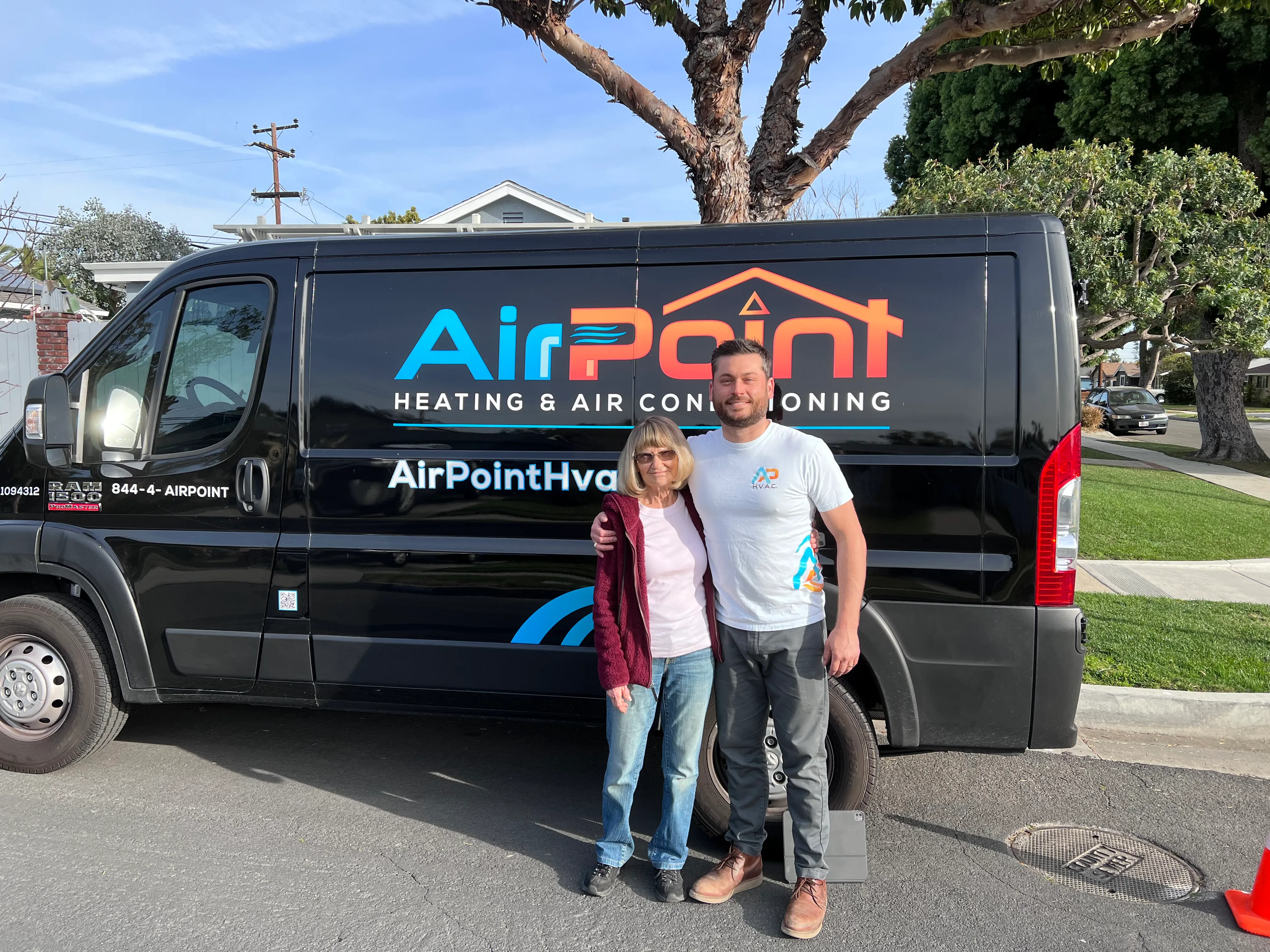
I recommend Air Point for your HVAC needs."