



Common Homeowner Questions Answered: Why Does My Heater Smell Like Burning Dust?

That First Fall Startup: Decoding the Burning Odor in Your Home
When October typically brings the first real chill to the air, among the most common homeowner questions answered by our team at AirPoint Heating & Air Conditioning is a particularly alarming one: why does the heater suddenly smell like it is burning? As you switch your thermostat from cooling to heating for the very first fall heating startup in October, expecting warm comfort, a harsh, singed odor filling your living room can be incredibly unsettling. For many homeowners we speak with, this unexpected scent immediately triggers concerns about fire hazards, electrical failures, or ruined equipment.
This transition period often reveals dormant issues that went unnoticed during the warmer months. While you were relying on your air conditioning services to keep you cool, the internal components of your furnace were sitting idle in the dark. In many cases our technicians investigate, this initial burning smell is a harmless, temporary nuisance. However, it can also be the first warning sign of a serious mechanical or electrical malfunction. Understanding the difference between a normal seasonal burn-off and a dangerous system failure is critical for protecting your home.
If you discover that your aging heating system is producing odors because it has become unsafe to operate, it may be time to evaluate your next steps. Tools like a SEER savings calculator can help you understand the long-term energy benefits of upgrading a condemned, inefficient unit to a modern, safer alternative. But before making any major decisions, you need to decode exactly what that burning smell means and whether you should simply wait it out or immediately call our dispatch for professional help.
The Science of the Smell: Why Idle Furnaces Collect Debris
The Problem: You turn on your heating system for the first time in months, and within minutes, a thick, dusty, slightly charred scent begins blowing out of every vent in your house. The smell is pervasive and often strong enough to make you want to open the windows, despite the dropping temperatures outside.
The Cause: The mechanics behind this odor are entirely natural and relate to the way ambient air behaves inside your home. In our years serving Southern California communities like Los Alamitos, our team notices that furnaces often sit completely idle for eight to nine months out of the year, typically from March all the way through to late October. During this extended dormant period, microscopic airborne particles—including household dust, pet dander, dead skin cells, and lint—naturally settle on the internal components of your HVAC system. Even with a high-quality air filter in place, the ambient air inside the furnace cabinet allows a fine layer of debris to coat the burners, the heat exchanger, and the surrounding metal surfaces.
When your thermostat finally signals the furnace to ignite, those metal components heat up rapidly. The settled dust is instantly subjected to high temperatures, causing it to literally scorch and burn off. The blower motor then pushes this newly heated air—along with the strong scent of singed dust—directly into your ductwork and out into your living spaces.
The Solution: According to guidelines from the Environmental Protection Agency (EPA) regarding indoor air quality, a brief circulation of seasonal dust is a common occurrence. The solution for this specific, harmless type of odor is simply allowing the combustion process to run its course. Once the accumulated layer of dust has been fully incinerated by the heat exchanger, the smell will naturally dissipate, leaving you with clean, odorless heat for the remainder of the winter season.
Timeline for Normal Odors: How Long Should the Smell Last?
Knowing that a burning dust smell can be normal is only half the battle; knowing exactly how long it should last is what provides true peace of mind. When you initiate that first fall heating startup in October, you need a definitive timeline to gauge whether your system is behaving normally or exhibiting signs of distress.
1. Verify the nature of the scent: A normal burn-off smells distinctly like hot, singed dust—very similar to the smell of a space heater that has just been pulled out of a closet. It should not smell like melting plastic, ozone, or burning rubber.
2. Keep the system running: It is a natural instinct to panic and shut the heater off immediately. However, if you are confident the smell is just dust, you must allow the system to complete a full heating cycle. Turning it off prematurely simply preserves the remaining dust, meaning the smell will return the next time the heater kicks on.
3. Ventilate the space slightly: If the odor is particularly strong or bothersome to your family, open a few windows an inch or two to allow fresh air to circulate. You can also turn on ceiling fans to help disperse the scent more quickly.
4. Monitor the clock: In our experience, a standard dust burn-off should completely dissipate within one to two heating cycles. In practical terms, this means the smell should be noticeably fading within 30 to 60 minutes of continuous operation.
If the dusty odor entirely vanishes within this hour-long window, your system has successfully cleared its heat exchanger and is ready for the season. If the timeline extends beyond this, or the character of the smell changes, you are no longer dealing with simple seasonal dust.
Red Flags: When a Burning Smell Signals an HVAC Malfunction
While dust is harmless, heating equipment remains a leading cause of home fires, according to data from the National Fire Protection Association (NFPA). It is absolutely vital to differentiate between a routine seasonal burn-off and a critical mechanical failure. A strict, zero-DIY safety approach is always the best policy when dealing with combustion appliances and high-voltage equipment. Never attempt to open the furnace cabinet to investigate an unusual odor yourself.
If the burning smell persists for several hours, or if it suddenly appears in the middle of the winter after the system has been running regularly for weeks, you have a problem. One local homeowner we recently assisted experienced this exact scenario during a cold snap when an urgent heater issue produced alarming, acrid odors and failed to warm the house. Recognizing the danger, they immediately shut the system down and called our team for help. One of our technicians arrived for a same-day fix, diagnosing a severe system failure. We ultimately replaced their failing heating unit and outdated ductwork with a highly efficient modern option, restoring both safety and reliable comfort to the home.
Identifying Electrical vs. Mechanical Odors
Different types of component failures produce distinctly different warning smells. Knowing what to sniff for can help you communicate the urgency of the situation to your HVAC technician.
• Electrical Smells: If your vents emit a sharp, metallic, or ozone-like odor—often compared to the smell of an overheated appliance cord or even a faint fishy scent—this indicates an electrical failure. This could be a failing circuit board, a shorted wire, or a blower motor that is drawing too much amperage and melting its wire insulation.
• Mechanical Smells: An odor resembling burning rubber or hot friction usually points to a mechanical issue. This frequently happens when a blower motor bearing seizes up, causing the motor to overheat, or when a rubber drive belt (in older models) begins to slip and burn against the pulleys.
The crucial takeaway: If you detect the scent of electrical ozone, melting plastic, or burning rubber, immediately shut down your heating system at the thermostat. Do not wait for the end of the cycle, and do not attempt to diagnose the internal wiring yourself. Call a licensed professional immediately.

Upgrading an Unsafe System: Efficiency and Modern Alternatives
When an AirPoint Heating & Air Conditioning professional inspects your heating system in Los Alamitos and determines that the burning smell is caused by a critical failure, you face an important decision. Certain internal breakdowns, particularly a cracked heat exchanger, render a gas furnace completely unsafe to operate. The heat exchanger is the metal shield that separates the toxic combustion gases (like carbon monoxide) from the clean air blowing into your home. If this component cracks due to age, thermal stress, or overheating, those dangerous gases can leak directly into your living spaces. Because repairing a heat exchanger is rarely viable or cost-effective on older units, professional condemnation means replacement is the only safe route forward.
Fortunately, modern HVAC technology provides significantly safer and more efficient heating solutions without the massive dust burn-off issues associated with outdated, neglected units. Today's variable-speed furnaces offer superior airflow management, better filtration compatibility, and advanced safety sensors that automatically shut the system down long before a dangerous overheating event can occur.
Furthermore, many homeowners we work with are moving away from traditional combustion furnaces entirely. Alternatives like a heat pump installation are becoming increasingly popular in Southern California. Because heat pumps use electricity to transfer ambient heat rather than burning fossil fuels to create it, they completely eliminate the risks of carbon monoxide leaks and cracked heat exchangers. They also serve double duty, providing powerful, high-efficiency air conditioning during the long summer months, making them an ideal, versatile solution for the local climate.
Managing the Costs of a Necessary Heating Replacement
Replacing a condemned heating system is a significant household decision, especially when the failure occurs unexpectedly right at the start of the cold season in Los Alamitos. A sudden mechanical breakdown can feel overwhelming, but modernizing your home's comfort system is an investment in long-term safety, property value, and monthly energy efficiency.
To help offset the initial investment of upgrading to high-efficiency equipment, homeowners should explore available financial incentives. Generic energy rebates from local utility providers and federal tax credits often apply to qualifying high-efficiency installations, particularly modern heat pumps and top-tier variable-speed furnaces. Because these programs update frequently and have specific qualification criteria based on equipment ratings, we always advise our customers to consult directly with their utility providers or a qualified tax professional to verify current incentive programs and eligibility.
Beyond rebates, we understand that sudden replacements require manageable financial solutions. Exploring HVAC financing options allows you to spread the cost of a necessary safety upgrade over time through flexible payment arrangements. This means you do not have to compromise on the quality or safety of your new heating system just because the old one failed without warning.
Preventing Future Startup Odors with Professional Fall Maintenance
The most effective way to prevent scary startup smells and ensure your system operates safely is to schedule a professional pre-winter inspection before you actually need the heat. Relying on local expertise that prioritizes homeowner safety—something we pride ourselves on at AirPoint Heating & Air Conditioning—and proper professional diagnostics over risky DIY troubleshooting is the smartest move you can make for your home's mechanical systems.
When one of our technicians performs a comprehensive fall tune-up, they thoroughly clean the internal components before the system is turned on for the season. By carefully wiping down the burners, vacuuming the cabinet interior, and inspecting the blower motor, they remove the heavy layer of settled dust that accumulated over the summer. This proactive cleaning significantly reduces, and often entirely eliminates, the harsh burning odor during that first fall heating startup in October.
More importantly, routine maintenance includes rigorous safety checks that protect your family. A professional will visually and mechanically inspect the heat exchanger for hairline cracks, test all electrical connections for proper voltage and secure fittings, and calibrate the thermostat for accurate cycling. Just as you would carefully plan an AC installation guide for summer readiness, applying the same diligence to your heating system extends the lifespan of the unit, lowers your monthly utility bills, and provides absolute peace of mind when the temperatures drop.
Ensure Your Home's Safety This Heating Season
The short answer to the alarming scent coming from your vents is usually a reassuring one: a brief, 30-to-60-minute odor of singed dust is a normal part of transitioning your home for winter. However, persisting smells, electrical ozone scents, or the harsh odor of melting plastic are clear red flags that require immediate intervention. Your home's safety in Los Alamitos should never be left to guesswork or DIY investigations.
If you are unsure whether the smell from your vents is harmless dust or a developing hazard, professional guidance is always the safest way to resolve your heating concerns. Schedule a comprehensive inspection with our local experts today to clean your system, verify its safety, and ensure you enjoy a warm, worry-free winter season.
Frequently Asked Questions
How long does the burning dust smell last from a furnace?
A normal burning dust smell should completely dissipate within one to two heating cycles. In most homes, this means the odor will fade away within 30 to 60 minutes of continuous operation. If the smell lingers for several hours or returns days later, it is no longer a standard dust burn-off and requires professional attention.
Is a burning smell from the heater dangerous?
It depends entirely on the specific type of smell and how long it lasts. A brief scent of dusty, hot air during the first startup of the season is harmless and natural. However, if the heater emits odors that smell like melting plastic, electrical ozone, or burning rubber, it is highly dangerous and indicates a serious internal malfunction that could pose a fire hazard.
Why does my heater smell like burning after months of not being used?
When your heating system sits idle throughout the spring and summer, airborne particles like household dust, pet dander, and lint naturally settle onto the internal burners and heat exchanger. When you finally turn the heat on in the fall, those components heat up rapidly and incinerate the settled debris. This brief combustion process is what creates the temporary burning odor blowing through your vents.
Can a dusty furnace catch fire?
While the light layer of ambient dust that causes the initial seasonal smell is generally not enough to start a fire, severe neglect can be dangerous. If a furnace cabinet is filled with heavy debris, lacks a proper air filter, or is surrounded by combustible materials stored too closely to the unit, the risk of a fire increases significantly. Routine professional cleaning ensures the internal cabinet remains safe and clear of hazardous buildup.
What does an electrical fire in a furnace smell like?
An electrical issue in a furnace produces a very distinct, sharp odor that is entirely different from burning dust. It typically smells like melting plastic wire casing, hot metal, ozone, or even faintly like fish. If you notice any of these acrid, chemical-like scents, you should immediately turn the system off at the thermostat and contact a licensed HVAC technician.
Should I open my furnace cabinet to clean the dust myself?
No, you should never open the internal furnace cabinet to perform DIY cleaning on the burners or heat exchanger. Heating systems contain high-voltage electrical components and process combustible gases, making them extremely dangerous for untrained individuals to handle. Always rely on a licensed professional to perform internal diagnostics and seasonal maintenance safely.
Other Blogs
Latest Blog Posts

The Essential Seasonal Home Maintenance Checklist: Decoding Fall HVAC Startup Smells and Sounds
How to Use a SEER Savings Calculator to Compare Heating and Cooling Upgrades

Why Does My Furnace Smell Like Burning? Fall Heating Startup FAQ

Customer Testimonials


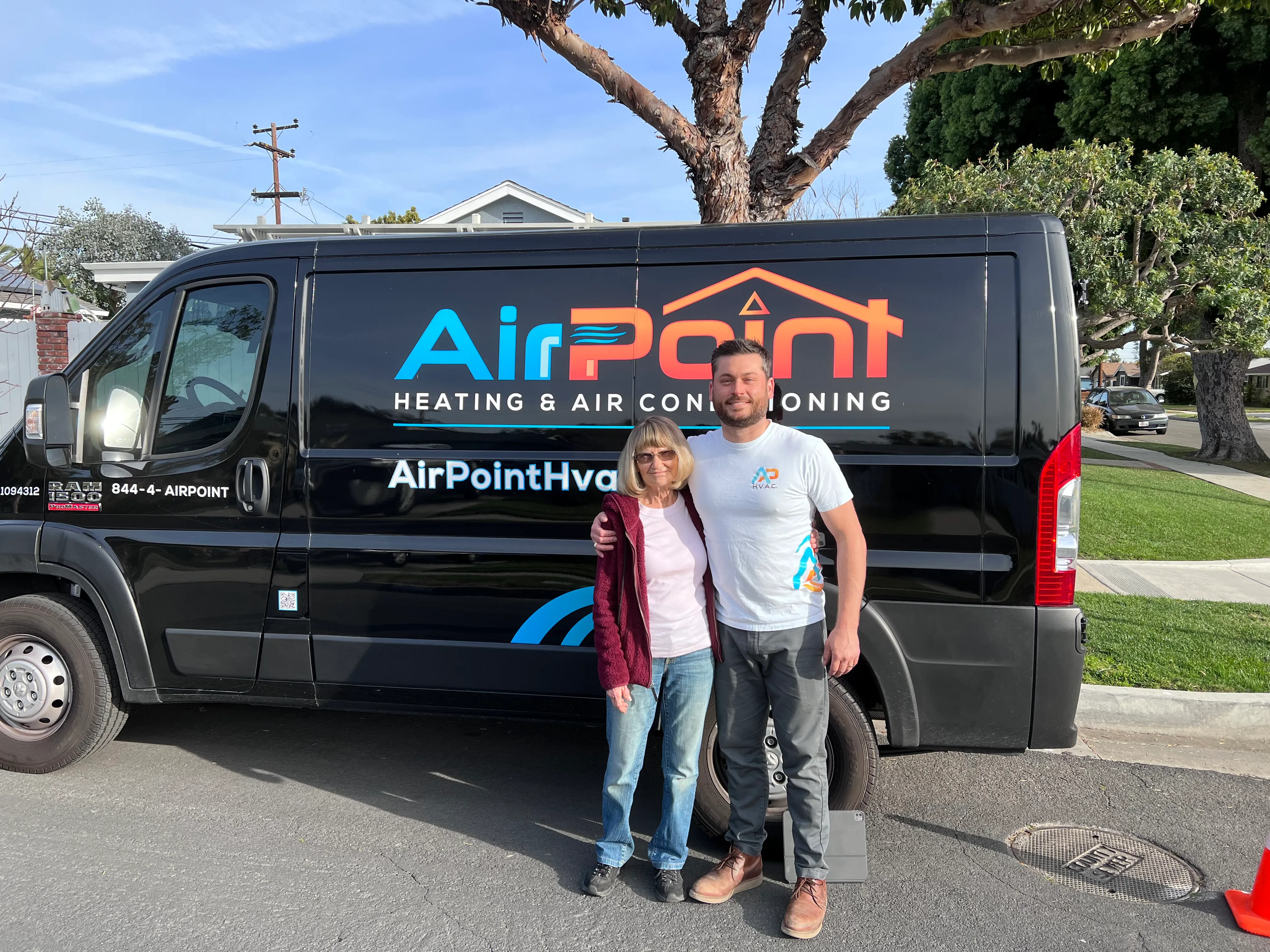
I recommend Air Point for your HVAC needs."