
Protecting Your Outdoor AC Unit from Long Beach Salt Air Corrosion
Published August 11, 2026

The Hidden Threat to Air Conditioning Systems in Coastal Climates
If you live near the water, protecting your outdoor AC unit from Long Beach salt air corrosion is an ongoing battle against an invisible, relentless threat. Your outdoor condenser sits in the coastal breeze day after day, and while that ocean air is refreshing for you, it hides a quiet destroyer for your HVAC equipment. The unique microclimate of Long Beach brings a specific combination of high humidity and constant salt-laden breezes that standard inland units simply are not built to withstand. Over time, this airborne sodium chloride settles onto the metal surfaces of your equipment, quietly eating away at standard outdoor HVAC components and severely degrading their ability to cool your home.
Homeowners in this region face a distinct decision point: implement a localized, proactive coastal maintenance routine, or risk premature system failure long before the unit reaches its expected lifespan. The maintenance standards that work perfectly well for inland properties are simply insufficient for Long Beach coastal properties. Protecting your investment requires understanding exactly how the marine environment attacks your equipment and taking deliberate steps to preserve it. By taking action early, you can safeguard your air conditioning systems from the aggressive oxidation that plagues coastal neighborhoods.
Understanding Galvanic Corrosion on Aluminum Condenser Fins
To effectively protect your equipment, it helps to understand the exact science of how salt air destroys specific HVAC components. The primary culprit is a chemical process known as galvanic corrosion. This destructive reaction occurs when two dissimilar metals come into contact in the presence of an electrolyte. In a coastal environment, the constant moisture from the marine layer combines with airborne sodium chloride to create a highly conductive electrolyte solution. When this saltwater solution coats your outdoor unit, it accelerates the transfer of electrons between the metals, causing rapid oxidation and material loss.
This chemical reaction is particularly devastating because it strips away the metal's ability to transfer heat efficiently. Standard inland wear-and-tear usually involves dust, dirt, or pollen, which can be easily brushed or rinsed away without leaving permanent damage. In contrast, aggressive marine-environment oxidation fundamentally alters the structure of the metal, turning solid components into brittle, powdery residue.
The Vulnerability of Copper and Aluminum
Most standard outdoor air conditioning units rely heavily on a combination of copper tubes and aluminum condenser fins to dissipate the heat removed from your home. The copper carries the hot refrigerant, while the tightly packed aluminum fins increase the surface area to release that heat into the outside air. Because copper and aluminum are dissimilar metals, they are highly susceptible to this specific type of galvanic corrosion.
Salt acts as a powerful catalyst for this rapid degradation. As the aluminum begins to corrode, it literally flakes away, breaking the thermal bond between the fins and the copper tubing. Without intact fins, the system cannot release heat efficiently, forcing the compressor to work much harder and run much longer to achieve the same indoor temperature.
| Wear Factor | Standard Inland Environment | Coastal Marine Environment (Long Beach) |
|---|---|---|
| Primary Contaminants | Dust, pollen, dry dirt, and leaves. | Airborne sodium chloride and heavy moisture. |
| Type of Damage | Surface buildup that restricts airflow. | Chemical oxidation that eats away metal structure. |
| Impact on Metal | Minimal; easily restored with basic cleaning. | Severe; causes pitting, flaking, and loss of thermal bond. |
| Maintenance Needs | Annual seasonal tune-ups and occasional rinsing. | Frequent fresh-water rinsing and specialized protective coatings. |
Why Late Summer is the Danger Zone for Coastal HVAC Units
While salt air is a year-round reality, the true danger zone for coastal HVAC units arrives in late summer. By August, outdoor units have accumulated months of heavy salt deposits from continuous exposure to the marine environment. This is compounded by the classic Southern California August heat combined with thick morning coastal marine layers. The morning fog deposits heavy moisture onto the unit, which activates the accumulated salt, while the afternoon heat forces the system to run at maximum capacity while covered in this corrosive electrolyte.
The impact of heavy summer operation combined with these marine layers creates a perfect storm for system failure. As the metal corrodes, the restricted airflow from deteriorating fins leads to system overheating, increased energy consumption, and often loud, strained noises from the compressor. Late-summer intervention is absolutely critical to prevent total system breakdown during intense heatwaves.
Severe burnout frequently traces back to unchecked late summer (August) salt accumulation from the previous year. Addressing the buildup before it causes a breakdown is the only way to avoid these extensive replacements.
Visual Signs of Salt Air Damage on Your Outdoor Unit
Identifying the early warning signs of oxidation before irreversible damage occurs is a crucial skill for homeowners on Long Beach coastal properties. Because galvanic corrosion happens gradually, catching it early can mean the difference between a simple deep clean and a total system replacement. Inspect your outdoor unit regularly, paying close attention to the delicate metal components.
- White, powdery residue: This is often the very first sign of aluminum oxidation. It may look like a thin layer of white dust or chalk on the exterior casing or the condenser coils. Unlike regular dirt, this powder will not easily brush off and indicates that the metal itself is breaking down.
- Pitting or flaking on metal fins: Inspect the delicate aluminum fins that wrap around the unit. If they appear brittle, have small holes (pitting), or crumble when lightly touched, galvanic corrosion is already well underway.
- Discoloration on copper lines: While copper does not rust like iron, salt air exposure will cause it to turn a dark, dull brown or even develop a green patina. This indicates heavy oxidation that can weaken the refrigerant lines over time.
- Sudden spikes in energy consumption: There is a direct correlation between visible corrosion and a sudden increase in your monthly utility bills. As the fins corrode and lose their thermal bond, the system runs longer to cool your home, drawing significantly more power.
- Unusual compressor noises: When visual signs cross the line from normal wear to urgent repair needs, you will often hear the compressor struggling. Rattling, grinding, or high-pitched whining indicates that the system is overheating due to blocked heat transfer.

Safe Preventative Care: The Gentle Fresh-Water Rinse Routine
Providing actionable, safe DIY maintenance is essential for coastal homeowners, but it is equally important to strictly define the boundary between homeowner care and the work that requires professional HVAC services. The most effective step you can take on your own is implementing a regular rinsing routine to dissolve surface salt before it has a chance to trigger deep corrosion on your aluminum condenser fins.
Because coastal units require rinsing far more often than inland units, establishing a safe, consistent habit is the best defense against the marine environment.
- Turn off the power: Always begin by shutting off the power to the outdoor unit at the thermostat, and ideally at the dedicated outdoor disconnect box. Safety must always come first when working around electrical equipment.
- Use a standard garden hose: Attach a standard spray nozzle to your garden hose and set it to a gentle, wide spray pattern—similar to a light rain shower.
- Rinse from the top down: Start at the top of the unit and slowly work your way down the sides, allowing the fresh water to cascade over the fins and wash away the accumulated salt and coastal grime.
- Never use a pressure washer: High water pressure will instantly bend, flatten, and ruin the delicate aluminum fins, completely blocking airflow and destroying the unit's efficiency.
- Maintain a coastal frequency: Depending on how close you are to the water, this gentle rinse should be performed every few weeks, especially during the heavy moisture periods of spring and late summer.
It is vital to clearly state that your DIY responsibilities end at the exterior casing. Opening the high-voltage cabinet, applying chemical cleaners, or attempting to straighten bent fins must always be left to licensed technicians. Incorrectly applying off-the-shelf chemicals can actually accelerate corrosion or void your manufacturer's warranty.
When to Call the Experts for Professional Anti-Corrosion Treatments
While a garden hose is great for surface salt, it cannot undo chemical damage or protect bare metal from future oxidation. This is where specialized treatments used by professionals become necessary to combat salt air and restore system efficiency. Professional-grade anti-corrosion coatings are specifically designed for marine environments. These specialized polymers bond directly to the aluminum condenser fins and copper coils, creating a microscopic barrier that blocks sodium chloride and moisture from reaching the metal, all without impeding the system's ability to transfer heat.
A professional coastal tune-up involves a level of deep cleaning that a standard homeowner rinse cannot achieve. Technicians use specialized, non-acidic foaming cleansers that safely lift embedded salt and grime from deep within the coil structure. Furthermore, the value of a thorough professional inspection cannot be overstated. Technicians document the condition of the coils with before-and-after assessments to accurately track the rate of corrosion over time, allowing them to recommend protective measures before the damage becomes irreversible.
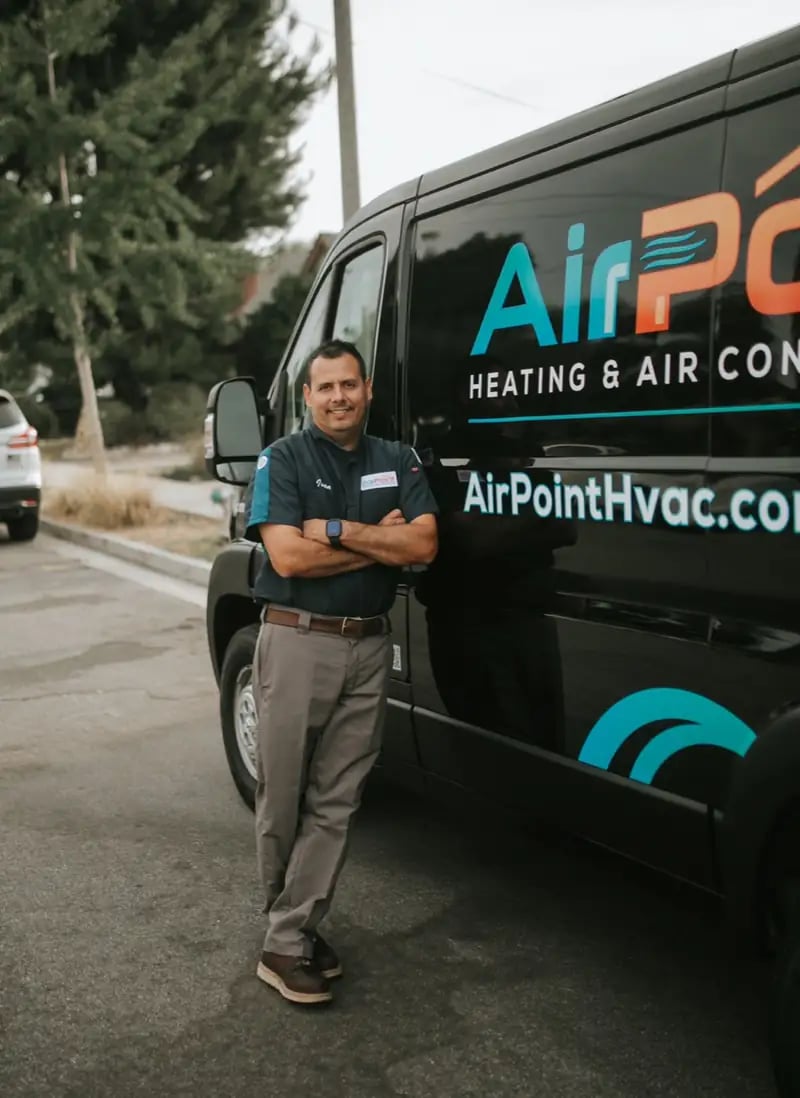
AirPoint Heating & Air Conditioning understands the precise differences between standard inland maintenance and the specialized Long Beach coastal protective care required to keep systems running.
Restoring Peak Efficiency After Salt Exposure
Beyond just cleaning the fins, professionals address the secondary damage caused by the marine environment. Over time, the heavy salt air degrades the protective insulation wrapped around your outdoor coolant pipes, exposing them to the hot summer air and forcing the system to lose cooling capacity before the refrigerant even reaches your house. Restoring peak efficiency involves carefully rewrapping these coolant pipes with fresh, UV-resistant insulation and fixing any micro-leaks in the compressor valves that may have developed due to oxidation. Professional deep cleaning and targeted repairs restore the unit's ability to release heat, drastically lowering its energy consumption and preventing premature burnout.
Managing the Combined Effects of Salt and Coastal Humidity
The marine environment impacts much more than just the exterior casing of your outdoor unit; it fundamentally affects your overall system performance and indoor comfort. Coastal humidity forces the AC to work significantly harder to dehumidify the home. Air conditioning is not just about lowering the temperature—it is about pulling heavy moisture out of the indoor air. When your outdoor unit is corroded and struggling to release heat, its ability to dehumidify the indoor air drops dramatically.
A corroded outdoor unit struggles to handle the heavy moisture load of the Long Beach marine layer. When the system cannot keep up, you end up with a home that feels cool but uncomfortably "clammy." This directly connects outdoor system efficiency to your overall indoor air quality and daily comfort levels. If your system cannot manage the humidity, it creates an environment where mold and mildew can thrive inside your ductwork and living spaces, making indoor air quality services a vital part of coastal home maintenance.
To proactively manage these combined effects on Long Beach coastal properties, recommendations include holistic strategies. Planting natural windbreaks—such as sturdy, salt-tolerant shrubs or installing decorative privacy screens—can help deflect direct ocean breezes away from the condenser unit. By physically blocking the direct path of the salt-laden wind, you significantly reduce the volume of sodium chloride that settles on the equipment, giving your preventative maintenance routines a much higher chance of success.
Frequently Asked Questions About Coastal AC Protection
Navigating the specific challenges of a marine environment often leaves homeowners with a lot of questions about the best ways to protect their investment. Understanding the nuances of late summer (August) salt accumulation and proper maintenance scheduling is key to managing coastal moisture and AC dehumidification effectively. Here are clear answers to common concerns from coastal residents.
How do I protect my air conditioner from salt air?
The most effective protection strategy combines frequent homeowner maintenance with specialized professional care. You should gently rinse the outdoor unit with a fresh-water hose every few weeks to dissolve surface salt before it can cause chemical damage. Additionally, planting natural windbreaks to block direct ocean breezes can significantly reduce salt exposure. Finally, scheduling bi-annual professional tune-ups ensures that specialized foaming cleansers and protective coatings are applied to the delicate internal components.
Does salt air ruin air conditioners?
Yes, if left unchecked, salt air will absolutely ruin standard air conditioning units much faster than an inland environment would. Airborne sodium chloride mixes with coastal humidity to create a highly corrosive electrolyte that attacks aluminum and copper components through galvanic corrosion. This process eats away at the condenser fins, destroying the unit's ability to transfer heat and eventually causing the compressor to overheat and fail completely.
What is a coastal coating for HVAC?
A coastal coating is a specialized, professional-grade polymer applied to the metal components of an outdoor HVAC unit to protect them from marine environments. This microscopic barrier prevents salt and moisture from making direct contact with the aluminum fins and copper coils, stopping galvanic corrosion in its tracks. Unlike standard paints, these advanced coatings are engineered to be highly thermally conductive, meaning they protect the metal without acting as an insulator that would block heat transfer.
How often should I wash my AC unit at the beach?
For beachfront properties or homes within a few miles of the coast, you should gently rinse your outdoor unit with fresh water every three to four weeks. During periods of heavy morning marine layers or strong onshore winds, increasing this frequency to every two weeks can help prevent heavy salt accumulation. Always remember to turn off the power to the unit before rinsing, and never use a high-pressure nozzle that could bend the delicate metal fins.
What are the early signs of salt corrosion on an AC unit?
The earliest visual sign of salt corrosion is usually a white, powdery residue forming on the aluminum fins or the exterior casing of the unit. You may also notice the copper refrigerant lines turning a dull, dark brown or developing a green patina. If the corrosion has advanced, the aluminum fins will begin to look pitted, brittle, or start flaking away when lightly touched, which is a sign that immediate professional intervention is required.
Can I apply anti-corrosion spray to my condenser fins myself?
No, applying chemical coatings to condenser fins should strictly be left to licensed HVAC professionals. Over-the-counter sprays or improper application techniques can easily act as an insulator, trapping heat inside the coils and causing the compressor to burn out prematurely. Professional technicians use specialized formulas and application methods that ensure the metal is thoroughly protected without compromising the system's thermodynamic efficiency, and they know how to do so without voiding your manufacturer's warranty.
Securing Your Comfort with Specialized Coastal AC Care
Living near the water shouldn't mean accepting that your HVAC equipment will constantly fail. By understanding the unique threats posed by the Long Beach microclimate, you can take control of your system's longevity. The key to success lies in combining gentle, consistent homeowner rinsing with professional coastal protective treatments. Taking action now, especially before the heavy usage of late summer, prevents premature failure and extends the life of the system significantly.
If you have noticed white powder, pitting, or strange noises coming from your outdoor unit, it is time to get a professional assessment of its condition. Don't wait until the system completely breaks down during a heatwave. Clear, safe maintenance steps and expert intervention are all it takes to protect your Long Beach coastal properties from the aggressive marine environment. Reach out today to schedule AC maintenance and help keep your home cool, comfortable, and protected against salt air corrosion all year long.
Ready for comfort that's on point?
Friendly, honest HVAC service across Orange County & South LA County.
Call AirPoint Heating & Air Conditioning at (844) 424-7764Licensed & insured · CSLB Lic. #1094312 · Family-run in Los Alamitos