



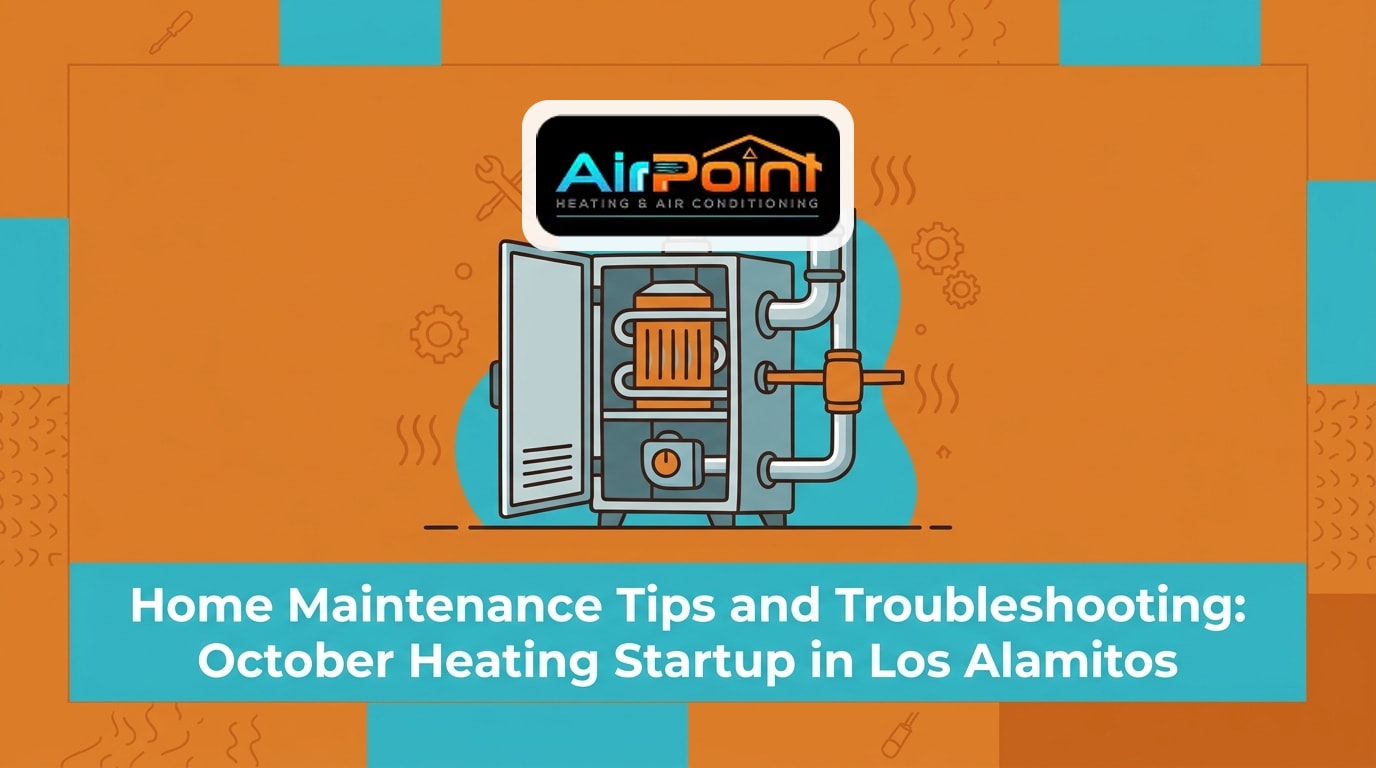
Home Maintenance Tips and Troubleshooting: October Heating Startup in Los Alamitos
Navigating Your First Fall Heating Cycle in Southern California
You turn on the heater on a chilly fall evening, expecting cozy warmth, but instead, you are met with a harsh burning dust smell and lukewarm air blowing from the vents. Navigating this jarring experience requires a few essential home maintenance tips and troubleshooting steps to help you figure out what is normal and what needs immediate attention. While you likely just wrapped up a long season relying on your air conditioning services to stay cool, transitioning your home to heating demands a completely different mindset and approach to system care.
Here in Los Alamitos, that first click of the thermostat often brings a moment of panic for homeowners. The most critical decision point you will face during this initial startup is distinguishing harmless seasonal dust burn-off from an actual mechanical failure. It is incredibly common to assume the worst when strange smells fill the hallway, but understanding how your system behaves after months of inactivity can save you a lot of unnecessary stress.
Shifting Your HVAC Mindset
During the summer, your primary concerns are usually refrigerant levels, condensation lines, and keeping the outdoor compressor clear of debris. When fall arrives, the focus shifts entirely to combustion, gas valves, heat exchangers, and ignition sequences. This fundamental change in how your system operates means that the symptoms of a struggling heater look and smell very different from those of a struggling air conditioner.
One thing we see often is homeowners waiting until the coldest night of the year to test their heating system. By taking a proactive approach and running a test cycle early in the season, you give yourself a buffer. If you do encounter abnormal symptoms, you have ample time to arrange for professional inspections to ensure safe, reliable operation before winter temperatures fully arrive. Approaching your system with patience and a basic understanding of its seasonal rhythms is the best way to keep your home comfortable.
Understanding the Dormancy Period for Local Heating Systems
If you notice a strange odor during your October heating-startup, that usually means your system is simply reacting to its long period of inactivity. Heating systems in the Southern California region operate on a unique schedule compared to the rest of the country. Because of our mild climate, a local furnace often sits completely dormant for six to eight months out of the year.
This extended hibernation period creates the perfect environment for specific startup irregularities. To understand why your heater behaves the way it does in the fall, it helps to look at the step-by-step process of what happens while the system is turned off.
1. The Long Summer Slumber: From roughly March through October, your furnace does not ignite. The blower motor may still run to circulate cooled air from your AC, but the heating components—specifically the heat exchanger and the burners—remain cold and inactive.
2. The Santa Ana Wind Effect: Southern California is famous for its long, dry summers and intense fall Santa Ana winds. These weather patterns drive heavy amounts of fine dust, pollen, and outdoor debris right into your home and, consequently, into your HVAC system's ductwork and cabinet.
3. The Settling Process: Over those six to eight months, that airborne dust settles heavily onto the cold, dormant surfaces of your heat exchanger and internal heating components. Because the system isn't heating up, the dust simply builds up layer by layer.
4. The Ignition Burn-Off: When you finally switch the thermostat to "heat," the burners ignite and the heat exchanger rapidly warms up to hundreds of degrees. All that settled dust instantly incinerates, creating a highly noticeable, temporary burning smell that circulates through your vents.
Understanding this process is crucial because it connects the heavy dust accumulation directly to the initial burning odors you experience. It is a completely natural physical reaction to the local climate and the long dormancy period, rather than an immediate sign of danger.
Normal vs. Abnormal Furnace Startup Symptoms
When you initiate your heating system for the first time in months, knowing exactly what to look and listen for is your best defense against unexpected breakdowns. Here in Los Alamitos, we frequently help homeowners decode the noises and smells coming from their vents. Here is a clear breakdown of what you should expect, and what signals a deeper problem.
• Normal — Brief burning dust smells: A noticeable burning odor lasting 15 to 30 minutes is standard as settled debris burns off the heat exchanger. Open a few windows to let the home air out; the smell should dissipate quickly.
• Normal — Minor clicking sounds: You will likely hear a series of soft clicks as the thermostat communicates with the control board and the electronic ignition system sparks the burners.
• Normal — A short delay before the fan starts: The system intentionally waits for the heat exchanger to warm up before turning on the blower motor. This prevents a blast of cold air from hitting you right when the cycle begins.
• Abnormal — Persistent lukewarm or cold air: If the system has been running for more than ten minutes and the air blowing from the registers is still cool, the burners may be failing to ignite or stay lit.
• Abnormal — Acrid electrical burning smells: While burning dust smells like a dusty radiator, an electrical fire smells like melting plastic or burning wires. This is never normal and requires an immediate system shutdown.
• Abnormal — Loud banging or booming noises: A loud "boom" upon ignition usually indicates delayed ignition, where gas builds up in the chamber before finally catching a spark. This is a serious safety hazard.
Managing the Dust Burn-Off: If the annual dust burn-off is particularly bothersome for your family, especially for those with allergies or respiratory sensitivities, there are ways to mitigate it. Upgrading your home's indoor air quality solutions—such as installing advanced media filters, UV purifiers, or whole-home air scrubbers—can drastically reduce the amount of dust that settles on the heat exchanger during the summer months, making the fall startup much smoother.

Demystifying Short-Cycling During Early Fall
One of the most frustrating issues you might encounter during your October heating-startup is a phenomenon known as short-cycling. The short answer is that short-cycling occurs when the heater turns on, runs for just a minute or two, and then abruptly shuts off before the house actually reaches the temperature you set on the thermostat. It then repeats this rapid on-and-off process continually.
The Primary Cause: Restricted Airflow
Most homeowners don't realize that the most common culprit behind short-cycling is remarkably simple: a dirty, heavily clogged air filter. When the air filter is blocked by months of summer dust and pet dander, the blower motor cannot pull enough cool air over the heat exchanger. Without that steady flow of air to absorb the heat and carry it into your home, the heat exchanger rapidly overheats. As a built-in safety measure, the furnace's high-limit switch detects this dangerous temperature spike and immediately shuts the burners down to prevent a fire or a cracked heat exchanger. Once the unit cools off a few minutes later, it tries to start again, creating the endless loop.
More Complex Mechanical Causes
If the filter is clean and the vents are open, short-cycling usually points to a more complex mechanical failure. A common issue is a dirty or failing flame sensor. The flame sensor is a tiny metal rod that sits in the path of the burner flame. If it gets coated in carbon buildup or dust, it cannot "feel" the flame. Even if the burners successfully ignite, the sensor assumes there is no fire and shuts off the gas valve within seconds to prevent raw gas from flooding your home.
The Solution: When to Call for Help
The first and only step you should take when dealing with short-cycling is to check and replace your air filter. Ensure all supply and return vents in the house are fully open and unblocked. If you have taken these basic steps and the system continues to turn on and off rapidly, a professional diagnostic is required. Continuing to let a system short-cycle will put massive strain on the blower motor and the ignition components, often leading to a much larger, more expensive breakdown if left ignored.
Safe Home Maintenance Tips and Troubleshooting Steps
Before you make the call for a professional repair, there are several safe, non-technical steps you can take to prepare your system and potentially resolve minor hiccups. Taking a proactive approach to your home's comfort system ensures that you aren't overlooking a simple, easily fixable issue.
Here in Los Alamitos, we recommend walking through this basic checklist before settling in for the first cold evening of the season:
• Verify thermostat settings: It sounds overly simple, but double-check that the thermostat is actually switched from "cooling" to "heating." Ensure the set temperature is at least three to five degrees higher than the current room temperature to force the system to trigger a cycle. If you have a smart thermostat, verify that it hasn't defaulted to an eco-mode that prevents the heater from turning on.
• Clear all vents and registers: Walk through every room in your home and inspect the floor, wall, and ceiling registers. Over the summer, it is easy to accidentally push a heavy armchair over a floor vent, drop a rug over a return grate, or pull heavy drapes in front of a wall register. Blocked vents choke the system's airflow, leading to overheating and poor performance.
• Test carbon monoxide detectors: This is a non-negotiable safety step. Because your furnace burns fuel to create heat, there is always a baseline risk of carbon monoxide exposure if the system malfunctions. Test the alarms and replace the batteries in all carbon monoxide detectors in the home before running the furnace for the first time.
• Replace the HVAC air filter: Your filter has likely been working overtime all summer. Replacing it now is especially important after a long season of heavy AC usage. A fresh filter protects the blower motor, improves indoor air quality, and prevents the overheating issues discussed earlier.
If you are looking for more comprehensive guidance on preparing your system for the changing seasons, reviewing a dedicated AC tune-up guide can provide excellent foundational knowledge on how seasonal transitions impact your entire HVAC infrastructure.
The Dangers of DIY Mechanical Repairs on Heating Systems
While changing filters and checking thermostat batteries are excellent ways to care for your home, there is a hard line that homeowners should never cross when it comes to furnace maintenance. The internet is full of video tutorials encouraging you to open the furnace cabinet, clean your own flame sensors, or adjust gas valves. We strongly warn against attempting any DIY mechanical or electrical troubleshooting on your heating system.
Severe Safety Risks: A modern furnace is a complex, highly engineered piece of machinery that combines high-voltage electricity, combustible natural gas, and open flames inside a sealed metal box. Attempting to clean internal components or bypass safety switches can easily lead to gas leaks, electrical shocks, or carbon monoxide spilling directly into your living spaces. The risks associated with the combustion chamber and gas lines are simply too high to leave to guesswork.
Voiding Manufacturer Warranties: Beyond the physical danger, unauthorized repairs can have lasting financial consequences. Almost all major HVAC manufacturers explicitly state in their warranty documentation that any repairs, modifications, or internal maintenance must be performed by a licensed professional. Opening the cabinet and turning a wrench yourself can instantly void your warranty, leaving you completely unprotected if a major component like the heat exchanger fails later on.
Professional pre-winter diagnostic inspections provide unmatched safety and peace of mind over risky DIY fixes. A trained technician knows exactly how to test the gas pressure, measure the electrical draw of the blower motor, and inspect the heat exchanger for microscopic cracks that could leak carbon monoxide. Highlighting the value of a routine HVAC maintenance membership is important here, as these programs are designed to handle all of these technical diagnostics safely and automatically during your October heating-startup, taking the burden entirely off your shoulders.
Preparing Your Home for Cooler Months with Confidence
Understanding the difference between harmless dust burn-off and serious mechanical issues is the key to navigating the fall season with peace of mind. When you know what to expect from your system here in Los Alamitos, you can confidently distinguish a normal startup from a situation that requires expert attention.
Proactive preparation remains your best defense against unexpected, mid-winter breakdowns. Taking care of the safe, non-technical steps—like changing your filters and checking your vents—sets a strong foundation for system health. To ensure complete protection, it is always wise to schedule your AC maintenance and heating tune-ups together for comprehensive care. Let professional assistance handle the complex diagnostics, ensuring your home remains a safe, warm, and comfortable haven all winter long.
Frequently Asked Questions
How long should a furnace smell like burning dust?
A normal burning dust smell should only last between 15 and 30 minutes during the very first heating cycle of the season. As the heat exchanger reaches its operating temperature, the thin layer of dust that settled over the summer simply incinerates. If the smell persists for hours, or if it returns days later, it may indicate a restricted filter or an overheating component that requires professional inspection.
Why does my heater turn on and off so quickly?
This rapid cycling, known as short-cycling, is most commonly caused by a severely clogged air filter that restricts airflow and causes the system to overheat and shut down defensively. It can also be triggered by a dirty flame sensor that fails to detect the burner flame, prompting the system to shut off the gas valve for safety. If changing your air filter does not resolve the issue immediately, you need a technician to diagnose the internal sensors.
Is it safe to troubleshoot my own furnace?
It is only safe to perform basic, non-mechanical troubleshooting, such as replacing the air filter, opening blocked room vents, and verifying the thermostat settings. You should never open the furnace cabinet to clean internal parts, adjust gas valves, or bypass electrical safety switches. Tampering with the combustion chamber or high-voltage components poses severe risks of fire, electrical shock, and carbon monoxide leaks.
When should I call a professional for heating repair?
You should call a professional immediately if your system blows cold air after running for several minutes, produces loud banging noises upon ignition, or emits an acrid electrical burning smell. Additionally, if you have replaced the air filter but the system continues to short-cycle, it is time to bring in an expert. Catching these abnormal symptoms early prevents minor part failures from turning into complete system breakdowns.
How do Santa Ana winds affect my home's heating system?
Fall Santa Ana winds drive large volumes of fine dust, pollen, and outdoor debris into your home, much of which gets pulled into your HVAC system's return vents. This excess debris settles heavily on the dormant heat exchanger, leading to stronger burning odors when you first turn the heater on. The heavy dust load also means your air filters will clog much faster during these wind events, requiring more frequent replacements to maintain proper airflow.
Other Blogs
Latest Blog Posts
Common Homeowner Questions Answered: Why Does My Heater Smell Like Burning?
Why Is Air Quality Bad in Huntington Beach, CA Today? (And How to Protect Your Home)
Heating Options Comparisons for Homeowners in Los Alamitos, CA: Heat Pump vs. Gas Furnace

Customer Testimonials


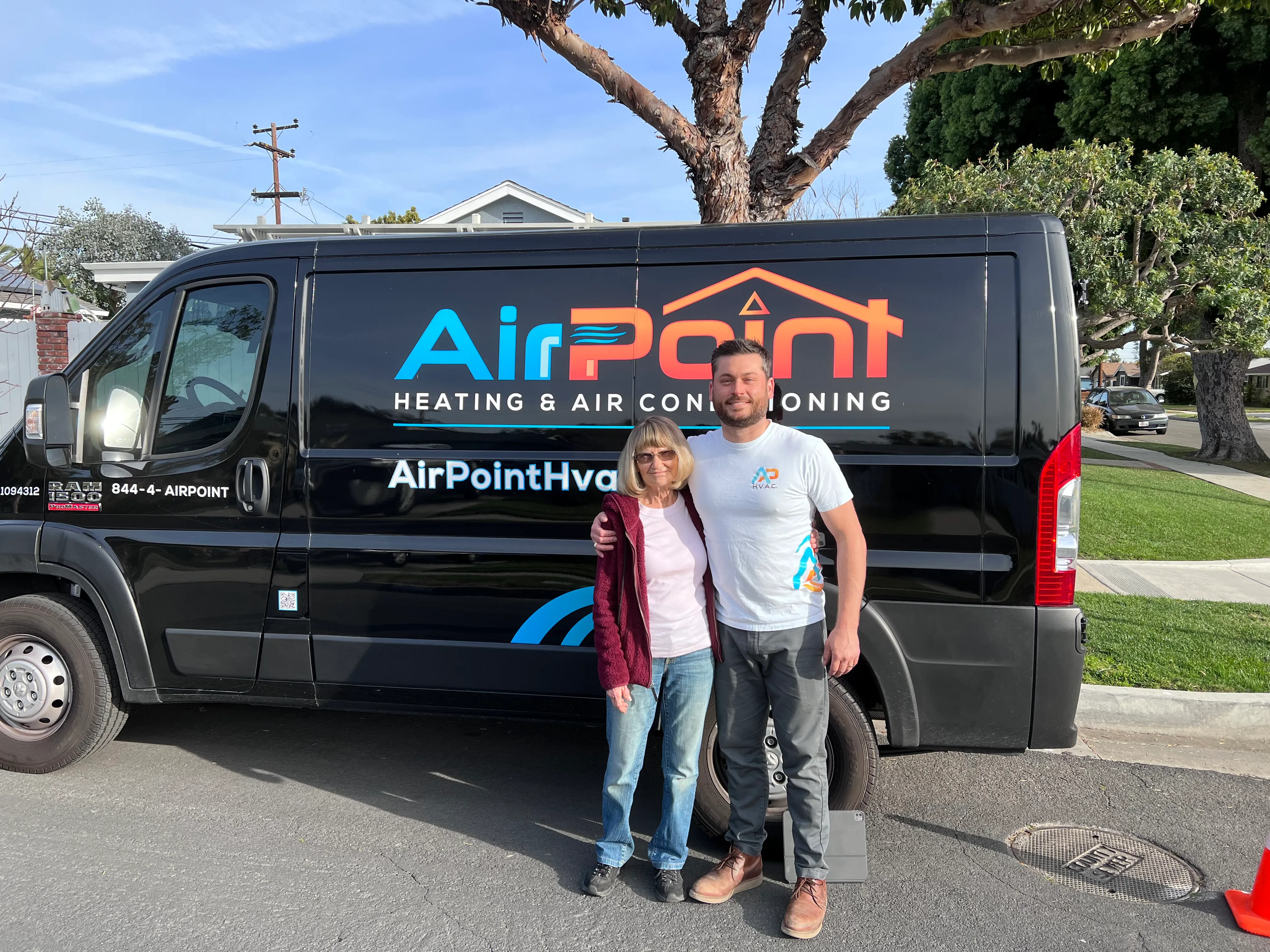
I recommend Air Point for your HVAC needs."