





How a Maintenance Plan Extends Equipment Life — And Why It Matters for Your Home
Understanding how a maintenance plan extends equipment life starts with one simple truth: most HVAC systems don't fail because they were built poorly — they fail because small, preventable problems were left unaddressed until they became expensive ones.
Here's a quick summary of how a maintenance plan keeps your equipment running longer:
- Catches small issues early before they cause major component failure
- Reduces friction and wear through regular lubrication and cleaning
- Maintains airflow efficiency by keeping coils and filters clean
- Prevents corrosion that silently degrades components over time
- Keeps electrical connections tight to avoid overheating and system strain
- Documents your system's health so patterns and problems are easier to spot
- Protects manufacturer warranties through consistent, documented service
The difference in lifespan is striking. Equipment with consistent maintenance routinely lasts 20 to 30 years, while neglected systems often fail within 5 to 10 years. For homeowners in Los Alamitos and across Orange County — where air conditioners run hard through long, warm seasons — that gap represents thousands of dollars and years of reliable comfort.
If your system has been running without regular service, or if you've been noticing higher energy bills and uneven temperatures throughout your home, a structured maintenance plan may be the most important step you can take right now.
Proactive Care vs. Reactive Repairs: Defining the Maintenance Plan
To truly appreciate the value of a structured program, we must look at the two fundamentally opposed philosophies of equipment care: proactive maintenance and reactive repairs.
Reactive maintenance is often called the "run-to-fail" approach. It is the practice of ignoring your heating and cooling equipment until it stops working entirely. This mindset treats maintenance as an emergency rather than a routine. Homeowners who fall into this cycle only call for service when their home is freezing during a winter night in Yorba Linda or sweltering during a humid summer afternoon in Huntington Beach.
A proactive maintenance plan, on the other hand, is a scheduled, systematic approach to equipment health. It focuses on keeping your heating, ventilation, and air conditioning systems running at peak efficiency through scheduled inspections, cleanings, and minor adjustments. Instead of waiting for a catastrophic failure, proactive care addresses the microscopic wear and tear that occurs every time your system turns on.
When you invest in proactive care, you change how your system ages. Every time an air conditioner or furnace activates, it experiences mechanical friction, heat generation, and electrical stress. Proactive care ensures these forces do not compound over time. If you have ever wondered Is An Hvac Maintenance Plan Worth It, the answer lies in the peace of mind and financial savings that come from preventing disasters before they start.
By implementing structured Hvac Preventative Maintenance, you transition from a stressful, reactive state of home management to a controlled, predictive one. You are no longer at the mercy of extreme weather or sudden mechanical breakdowns.
The Costly Reality of Run-to-Fail Maintenance
The run-to-fail approach is almost always the most expensive way to manage home comfort. When an HVAC system is neglected, it does not fail gracefully. Instead, it triggers a ripple effect of damage throughout your home.
Consider what happens when a simple component, like a dirty air filter or a worn blower belt, is ignored. The restricted airflow forces the blower motor to work twice as hard to circulate air. This extra work increases the motor’s operating temperature, degrades its internal lubrication, and ultimately leads to electrical failure. What could have been a quick, inexpensive filter replacement during a scheduled visit turns into an emergency motor replacement in the middle of a heatwave.
Furthermore, emergency repairs carry premium labor rates and expedited parts shipping costs. If your furnace fails unexpectedly during a cold snap in Downey or La Mirada, you are not just paying for the repair; you are paying for the urgency. There is also the risk of secondary property damage, such as frozen pipes or mold growth from high indoor humidity.
Understanding the Regular Furnace Repair Importance helps highlight how these compounding failures damage your budget. Studies show that reactive repairs cost three to five times more than scheduled, preventative maintenance. By avoiding the run-to-fail trap, you protect your home, your wallet, and your family's comfort.
The Science Behind How a Maintenance Plan Extends Equipment Life
To understand how a maintenance plan extends equipment life, we must look at the physical and mechanical laws that govern heating and cooling systems. An HVAC unit is a complex collection of electrical circuits, chemical refrigerants, and moving mechanical parts. Over time, these systems are subject to natural degradation, but a maintenance plan directly counteracts the mechanical forces that cause premature aging.
- Friction and Mechanical Wear: Moving parts like fan blades, blower motors, and bearings require precise lubrication. Without it, metal rubs against metal, creating high heat and microscopic wear. Over time, this friction warps shafts, ruins bearings, and burns out motors. Regular lubrication keeps these parts moving smoothly, minimizing physical wear.
- Airflow Restriction and Strain: Dirt is the natural enemy of your HVAC system. When dust, pet dander, and pollen accumulate on your system's air filters and coils, they create a physical barrier. This restriction forces the system to run longer cycles to meet the temperature set on your thermostat. The longer the system runs, the faster its components reach the end of their operational life.
- Thermodynamic Stress on the Compressor: The compressor is the heart of your air conditioner. If the outdoor condenser coils are coated in dirt, the system cannot release heat efficiently. This causes the compressor to run at much higher temperatures and pressures than it was designed to handle, rapidly degrading the compressor oil and leading to mechanical failure.
Consistent attention to these physical factors ensures your system operates within its designed parameters. By keeping the internal environment of your HVAC unit clean and lubricated, you prevent the excessive strain that shortens its lifespan. Clean systems run shorter, more efficient cycles, which directly translates to less wear on every single component.
By prioritizing these steps, you can experience the full Hvac Maintenance Keeps System Running advantages, ensuring your unit operates smoothly year after year. This proactive approach unlocks the long-term Benefits Of Regular Ac Maintenance, saving you from premature replacement costs.
Understanding How a Maintenance Plan Extends Equipment Life Through Early Detection
In mechanical engineering, failure is rarely a sudden event. It is a progressive curve. A tiny issue starts microscopically and slowly grows until it causes a complete system shutdown. Professional technicians use their training to spot these early indicators long before they affect your home comfort.
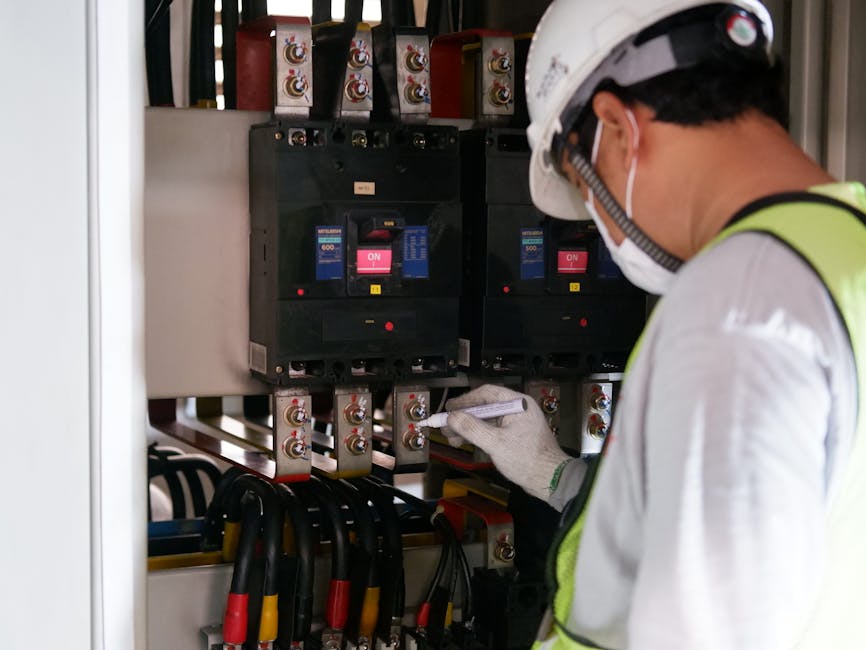
For example, a loose electrical connection might seem minor, but it increases electrical resistance. This resistance generates localized heat, which melts wire insulation and eventually causes a short circuit or a control board failure. During a scheduled maintenance visit, a technician will check and tighten all electrical terminals, preventing these electrical failures.
Similarly, a tiny refrigerant leak might not immediately stop your air conditioner from cooling, but it forces the system to work harder, increasing energy consumption and putting extreme stress on the compressor. Finding and sealing a minor leak early saves the compressor from burning out.
This level of detail is Why Regular Ac Maintenance Is Crucial for modern systems. Catching these subtle warning signs early prevents the domino effect of component failure, keeping your system reliable and efficient.
How a Maintenance Plan Extends Equipment Life in Coastal Orange County Climates
Living in coastal Orange County cities like Seal Beach, Newport Beach, and Laguna Beach offers beautiful views and cool ocean breezes. However, these coastal environments present unique challenges for outdoor HVAC equipment. The combination of high humidity and salt-laden air creates a highly corrosive environment that can rapidly destroy an air conditioner's outdoor condenser unit.
When salt air comes into contact with the aluminum fins and copper tubing of your outdoor condenser coil, it initiates galvanic corrosion. This chemical reaction causes the metal to pit and degrade. As the aluminum fins corrode, they lose their ability to transfer heat effectively. This forces your compressor to run hotter and longer, drastically shortening its life.
A specialized coastal maintenance plan addresses this issue directly. It includes regular, careful washdowns of the outdoor coils with salt-neutralizing solutions to remove built-up salt deposits. Technicians also inspect and apply protective coatings to vulnerable metal parts to slow down the oxidation process.
Without this specialized care, a standard air conditioner in a coastal environment might fail in as little as 5 years, whereas a well-maintained unit can easily double or triple that lifespan. Understanding these regional factors and utilizing the Annual Ac Tune Up Benefits is essential for anyone living near the ocean in Southern California.
Comparing Maintenance Strategies: Preventive, Predictive, and Scheduled
Not all maintenance is performed the same way. To get the most out of your heating and cooling systems, it helps to understand the different strategies used to keep equipment in peak condition.
| Maintenance Strategy | Trigger / Basis | Primary Action | Best Suited For |
|---|---|---|---|
| Preventive Maintenance | Calendar intervals (e.g., spring/fall) | Cleaning, safety checks, and replacing filters | Standard residential HVAC systems |
| Predictive Maintenance | Sensor data and condition monitoring | Targeted repairs based on wear indicators | High-demand systems and smart homes |
| Scheduled Maintenance | Runtime hours or manufacturer guidelines | Belt replacements, deep coil cleaning, calibrations | Heavy-use light commercial systems |
Each of these strategies plays a role in extending the life of your equipment. For most homeowners in Irvine, Fullerton, or Buena Park, a hybrid approach that combines calendar-based preventive maintenance with scheduled checks before the peak cooling and heating seasons works best. Knowing How Often Should You Service Your Hvac System ensures you are applying the right strategy at the right time, keeping your energy bills low and your indoor comfort high.
Key Warning Signs Your HVAC System Needs Immediate Attention
While a maintenance plan is designed to prevent unexpected issues, it is important for homeowners to recognize the subtle warning signs that indicate a system needs professional attention. Ignoring these signs can lead to major damage and premature system failure.
- Uneven Temperatures: If some rooms in your house are freezing while others are too warm, your system is struggling to distribute air evenly. This could point to ductwork leaks, a failing blower motor, or a clogged coil.
- Strange Noises: Squealing, grinding, rattling, or clanking sounds are not normal. They usually indicate a loose belt, failing motor bearings, or a damaged fan blade. Turning off the system and calling a technician immediately can prevent a minor mechanical issue from turning into a total system replacement.
- Rising Utility Bills: If your energy bills are climbing but your usage habits haven't changed, your HVAC system is losing its efficiency. This is often caused by dirty coils, low refrigerant, or failing components that force the system to run longer to keep up.
- Short-Cycling: If your air conditioner or furnace turns on and off rapidly, it is experiencing short-cycling. This puts immense strain on the compressor and electrical components, leading to rapid wear and tear.
Recognizing these signs early and understanding why Scheduling Furnace Tune Up Is Essential can save you from a major breakdown. If you notice any of these issues in your home, do not wait for your next scheduled maintenance visit — reach out for professional help right away.
Essential Components and Best Practices of an Effective Maintenance Program
An effective residential maintenance program is not just a quick visual inspection. It requires a detailed, multi-point checklist executed by a trained professional. When we service a home in Cerritos, La Palma, or Cypress, we follow a rigorous process to ensure every component of the system is optimized.
- Comprehensive Cleaning: We clean the outdoor condenser coils, indoor evaporator coils, condensate drain lines, and blower assembly. Removing dirt from these areas restores proper heat transfer and airflow.
- Electrical System Tune-Up: We inspect all wiring, tighten loose electrical connections, and measure voltage and current draw on motors. This prevents electrical shorts and component damage.
- Mechanical Lubrication: We apply high-quality lubricants to all moving parts, including motor bearings and shafts, to reduce friction, heat, and wear.
- Refrigerant Charge Verification: We measure refrigerant levels and pressures to ensure the system is operating according to the manufacturer's exact specifications.
- Safety Device Testing: We test all safety controls, limit switches, and carbon monoxide detectors (for gas furnaces) to guarantee your home and family remain safe.
- Detailed Documentation: We record all system measurements, component conditions, and recommendations. This creates a history of your system's health, making it easier to track performance trends over time.
For homeowners utilizing heat pump systems, these steps are especially critical. Regular care ensures the reversing valve, defrost controls, and outdoor fans function perfectly in both heating and cooling modes. Keeping these components in top shape is how Regular Heat Pump Maintenance Saves Money and prevents unexpected breakdowns during seasonal transitions.
Avoiding Common Pitfalls in Maintenance Scheduling
While having a maintenance plan is a great first step, there are common mistakes that can limit its effectiveness. Being aware of these pitfalls helps you get the maximum return on your investment.
- Skipping Seasonal Tune-Ups: It can be tempting to skip a maintenance visit if your system seems to be running fine. However, neglected maintenance is cumulative. Missing even a single season of care allows dirt to accumulate and minor wear to go unnoticed, shortening your system's overall lifespan.
- Lack of Documentation: Without detailed records of what work was performed, it is difficult to spot recurring issues or prove to manufacturers that you have met their warranty requirements. Always ensure your service provider gives you a detailed written report of every visit.
- Neglecting Filter Changes Between Visits: While professional maintenance includes filter replacement, most filters need to be changed every 1 to 3 months, especially if you have pets or allergies. Relying solely on your annual service visit to change filters can lead to restricted airflow and unnecessary system strain.
By avoiding these simple mistakes and staying committed to a consistent schedule, you protect your heating and cooling equipment and ensure it serves your home reliably for decades.
Frequently Asked Questions About HVAC Maintenance Plans
How much longer does a well-maintained HVAC system last?
A well-maintained HVAC system routinely lasts 20 to 30 years, whereas neglected systems often fail within 5 to 10 years. Consistent care directly prevents the excessive wear, overheating, and corrosion that lead to premature system failure.
How does a maintenance plan reduce energy bills?
When your system is clean, lubricated, and properly calibrated, it does not have to work as hard to heat or cool your home. Clean coils and filters allow for optimal heat transfer and airflow, which shortens runtime cycles and reduces electricity and gas consumption.
What is included in a standard residential maintenance plan?
A standard plan includes seasonal tune-ups for both your heating and cooling systems. This covers deep cleaning of coils, safety inspections of electrical and gas components, lubrication of moving parts, testing of system controls, and a complete system performance analysis with written documentation.
Conclusion
At AirPoint Heating & Air Conditioning, we believe that "comfort is happiness." Serving our neighbors in Los Alamitos, Seal Beach, Cypress, Long Beach, and throughout Orange County is a responsibility we take seriously. As a family-owned, award-winning local business, we are committed to providing honest communication, prompt service, and a 100% satisfaction guarantee.
Investing in a structured maintenance program is the single best way to protect your home's HVAC system, lower your energy bills, and ensure your family enjoys reliable comfort year-round. Our certified technicians are ready to help you extend the life of your equipment and keep your home running smoothly.
Don't wait for a costly breakdown to think about your HVAC system's health. Learn more about how you can protect your home and save money with our comprehensive AirPoint Membership.
Book your service online today for fast, reliable, and expert care!
Other Blogs
Latest Blog Posts
Heat Pump vs. Gas Furnace: Weighing Operating Costs Under Current California Utility Rates
Why DIY Mini Split Pre-Charged Lines Often Leak Refrigerant After the First Season
How to Inspect Your Attic Ductwork for Rodent Damage Before Winter Sets In

Customer Testimonials



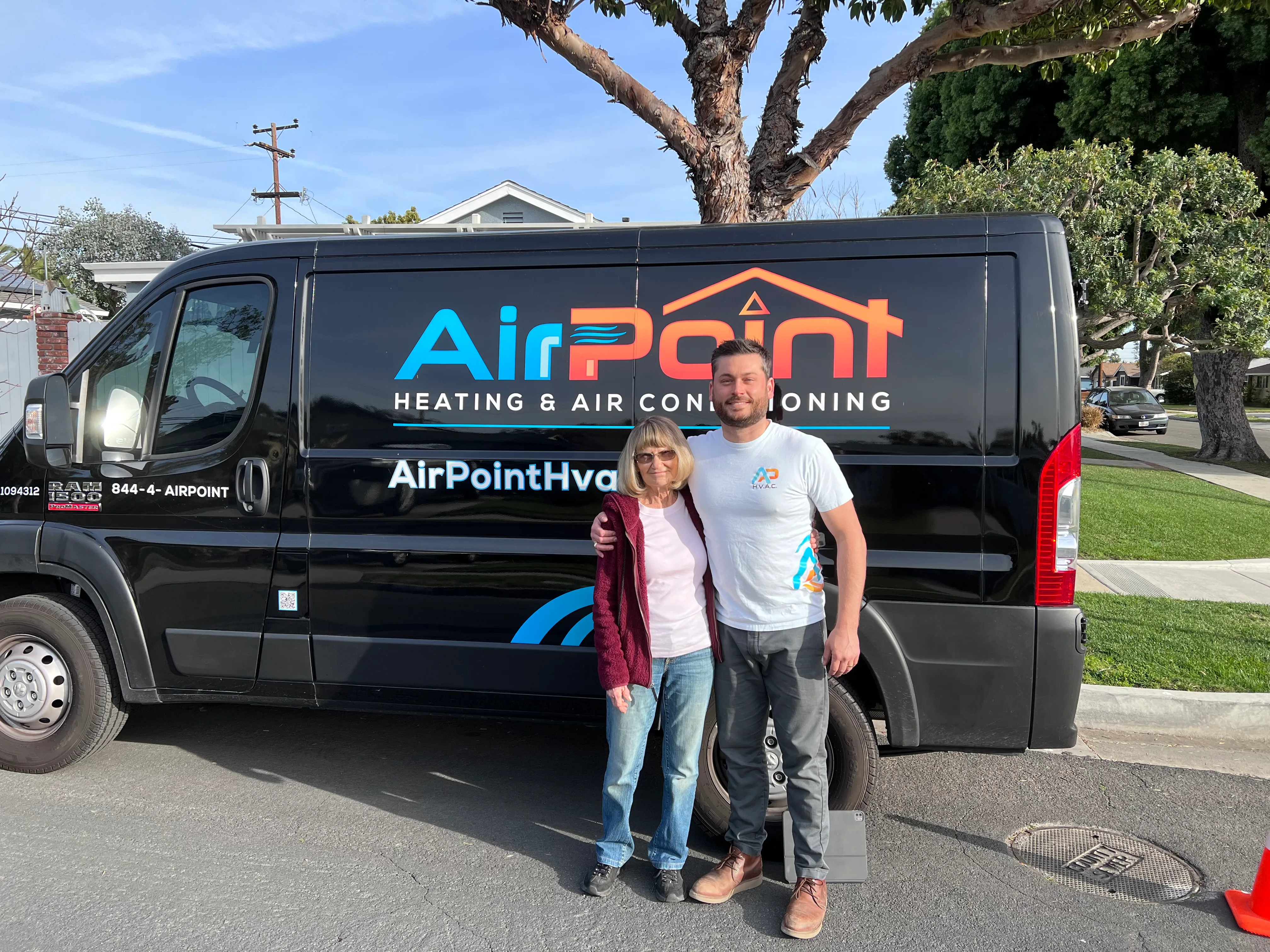
I recommend Air Point for your HVAC needs."