



Improving Indoor Air Quality for Holiday Guests: A Pre-Party Filtration Checklist
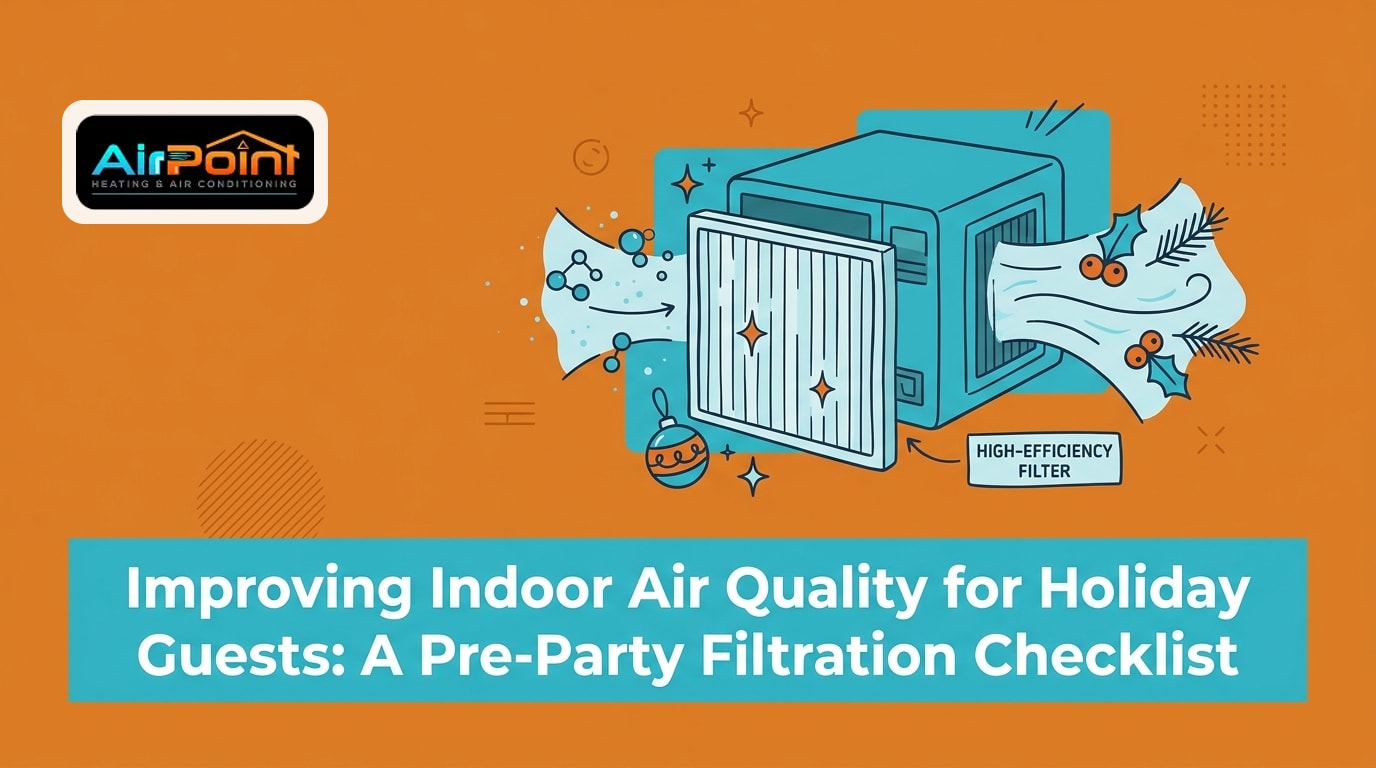
Preparing Your Home's Air for the Festive Season
November holiday hosting is just around the corner, bringing cooler weather, family gatherings, and a pressing need for improving indoor air quality for holiday guests. You likely spend days planning the menu, cleaning the floors, and setting the table, but the air your visitors breathe often goes unnoticed until the house feels uncomfortably stuffy. When multiple people gather indoors, cooking odors linger longer than expected, and airborne allergens circulate freely through your living spaces. The decision usually comes down to a simple choice: whether to rely on your standard one-inch filter or upgrade your filtration strategy before the big dinner. Treating your home's airflow as an active hosting tool is a proactive hospitality hack that keeps everyone comfortable.
If you want to ensure your HVAC system is ready for the season, exploring professional indoor air quality solutions can make all the difference.
The Overlooked Element of Holiday Hosting
Most homeowners view their heating and cooling equipment simply as a way to control temperature. However, temperature is only one half of the comfort equation. The other half is the actual quality and freshness of the air inside your home. During the cooler months, homes are sealed up tightly to keep the chill out. This lack of natural airflow means that everything happening inside the house—from baking pies to dusting the guest room—stays trapped inside.
A typical pattern we see is homeowners scrambling at the last minute to mask odors with sprays or plugins, which only adds more chemicals to the air. By preparing your system in advance, you transform your ductwork into a whole-home purification network. This proactive approach ensures that by the time your first guest rings the doorbell, your home smells fresh, feels breathable, and provides a safe environment for anyone with seasonal allergies or asthma.
The Hidden Impact of Large Gatherings on Your Indoor Air
It surprises many people to learn that indoor air can easily become two to five times more polluted than outdoor air. This metric spikes significantly during large gatherings. When you host a dinner party, your home experiences a sudden surge in occupancy and activity, which rapidly changes the indoor environment.
How Cooking and Crowds Change Your Air
The kitchen is the heart of any holiday gathering, but it is also the primary source of indoor pollution. Roasting a turkey, baking side dishes, and simmering sauces release significant amounts of airborne byproducts.
• Particulate Matter (PM2.5): Searing, frying, and roasting generate microscopic particles that float through the air. These particles are small enough to be inhaled deeply into the lungs, causing irritation for sensitive guests.
• Volatile Organic Compounds (VOCs): Cleaning supplies used to prep the house, along with certain cooking oils and gas stoves, release VOCs. These gases contribute to that heavy, lingering smell that lasts for days after a party.
• Carbon Dioxide (CO2) and Humidity: Every person in your home exhales CO2 and moisture. When a dozen people gather in a living room in Los Alamitos CA for a few hours, humidity levels rise, making the room feel noticeably warmer and stuffier than the thermostat indicates.
The scented candle trap: It is incredibly tempting to light heavily scented candles to cover up the smell of roasted garlic or fried onions. Unfortunately, most commercial candles release soot and additional VOCs into the air. Instead of cleaning the environment, they simply mask odors while actively worsening the overall air quality for your visitors.
Why Opening Windows Isn't Always the Best Solution
When a room gets hot and stuffy during a party, the most common advice is to simply crack a window. In many climates, natural ventilation is a great way to cycle fresh air into a home. However, relying on open windows comes with significant drawbacks, especially depending on the local weather forecast.
The Risk of Unpredictable Fall Weather
In Southern California, late fall weather is notoriously unpredictable. November frequently brings dry, dusty Santa Ana wind events to the Los Alamitos CA area. These high-speed winds sweep through the region, lowering humidity to uncomfortable levels and kicking up massive amounts of outdoor dust, pollen, and debris.
The problem: Opening your windows during a wind event completely defeats the purpose of cleaning your home. Instead of letting stale air out, you invite a concentrated blast of outdoor allergens directly into your dining room. For guests who suffer from allergies, this sudden influx of dust can trigger sneezing, watery eyes, and discomfort right in the middle of dinner.
The cause: Natural ventilation offers zero filtration. You have no control over what blows through the window screen, nor can you control the temperature of the incoming breeze, which forces your heating equipment to work overtime to compensate.
The solution: The most reliable defense against stuffy indoor air is closed-window mechanical filtration. By relying on your home's built-in blower motor, you can filter, condition, and circulate the air safely. Pairing this strategy with proactive heating system maintenance ensures your equipment can handle the added workload of running continuously during a large event without breaking down.
Standard vs. Upgraded Filtration: What Heavy Cooking Requires
Not all air filters are created equal. If you are still using the cheap, fiberglass filters you buy in bulk at the hardware store, your home is not equipped to handle the demands of November holiday hosting.
Protecting Equipment vs. Protecting People
Standard one-inch fiberglass filters are designed with a single purpose: to catch large debris like hair and heavy dust before it can damage your blower motor. They are meant to protect the machinery, not to purify the air for the people living inside. Because their fibers are woven loosely, microscopic particles like smoke, cooking grease, and pet dander pass right through them and recirculate back into your living spaces.
Upgrading your filtration is essential for heavy cooking loads. Higher-efficiency pleated filters feature a tighter weave that captures much smaller particles. For an even more robust solution, carbon-infused filters are specifically designed to trap gases and neutralize heavy odors rapidly.
Comparing Your Filtration Options
• Standard 1-Inch Fiberglass — Primary Benefit: Basic equipment protection, maximum airflow — Best For: Empty homes, very low-traffic periods
• High-Efficiency Pleated — Primary Benefit: Captures dust, pollen, and pet dander — Best For: Everyday living, mild allergy management
• Carbon-Infused Pleated — Primary Benefit: Absorbs VOCs, smoke, and cooking smells — Best For: Heavy cooking, hosting events, homes with pets
Before purchasing the thickest filter on the shelf, it is important to know what your specific machinery can handle. Filters that are too restrictive can choke off airflow and cause the system to overheat. For a deeper dive into finding the right balance for your home, understanding air filter types and MERV ratings is a great next step.
Your Pre-Party HVAC Preparation Checklist for Improving Indoor Air Quality for Holiday Guests
Getting your home ready for visitors requires more than just a quick vacuuming session. To ensure the environment remains fresh and comfortable throughout the entire evening, you need to prepare your mechanical systems in advance. Follow this actionable checklist to optimize your home's airflow for November holiday hosting.
1. Schedule a professional inspection: The last thing you want is a breakdown while you have a house full of people. Have a technician inspect the blower motor, check the safety switches, and ensure the system is operating at peak efficiency. Clean equipment circulates cleaner air.
2. Upgrade your filter in advance: Swap out your standard filter for a high-efficiency pleated option at least one week before guests arrive. This gives the system time to scrub the existing air in the home, removing residual pet dander and dust that has settled over the past month.
3. Clean and test exhaust fans: Your kitchen hood and bathroom exhaust fans are your first line of defense against localized pollutants. Remove the grease traps from your kitchen hood and wash them thoroughly. Ensure these fans are venting properly to the outside, rather than just recirculating dirty air back into the room.
4. Evaluate your air distribution: If certain rooms always feel stuffier than others, you may have an airflow imbalance. Having a professional spend time inspecting your ductwork can reveal hidden leaks or blockages that prevent fresh air from reaching your dining room or guest bedrooms.
5. Deploy targeted air purifiers: For high-traffic zones like the main living room, consider adding a standalone HEPA purifier. These devices work alongside your central system to provide an extra layer of filtration exactly where the crowd is gathered.

Frequently Asked Questions About Guest-Ready Air Quality
How can I improve indoor air quality before a party quickly?
The fastest way to improve your air quality is to turn your thermostat fan setting from "AUTO" to "ON." This forces the blower to run constantly, pulling stale air through your filter even when the heating cycle isn't active. Additionally, make sure to utilize your kitchen exhaust fans the moment you start prepping food. If you have standalone HEPA purifiers, deploy them in the main gathering areas about two hours before the doorbell rings.
Do higher MERV filters help with cooking odors?
Yes, but it depends heavily on the specific type of filter you choose. Standard MERV filters are excellent at catching physical particles like airborne grease and smoke from a burnt pie crust. However, to truly neutralize the volatile organic compounds (VOCs) that cause smells to linger, you need a carbon-infused filter. Always check your system's compatibility before upgrading to a very high MERV rating to avoid restricting your necessary airflow.
How do I reduce allergens for holiday guests?
Start by vacuuming all rugs and upholstery with a HEPA-equipped vacuum a day in advance to prevent kicking up dust right before the party. Keep your windows tightly closed, especially during high-wind or high-pollen days in the Los Alamitos CA area. Most importantly, ensure your home's primary filtration system is equipped with a fresh, high-efficiency pleated filter to catch any dander or dust that gets stirred up as people move around.
Does opening windows improve indoor air quality during the fall?
Opening windows can help cycle out stale air, but it is highly dependent on the outdoor weather conditions. If the weather is calm and mild, a brief cross-breeze is beneficial. However, during dry, windy fall days, opening windows simply blows outdoor dust and allergens directly into your clean home. When the weather is unpredictable, relying on mechanical filtration is a much safer and cleaner option.
What is the best way to purify the air in a home before hosting?
The most effective strategy is a layered approach. Start with a clean central system equipped with a high-quality filter to manage the whole house. Add localized ventilation by running exhaust fans in the kitchen and bathrooms to remove moisture and odors at their source. Finally, use portable air purifiers in the specific rooms where guests will spend the most time, ensuring the air remains crisp and breathable all evening.
Ensure a Comfortable, Fresh-Smelling Home Before Your Guests Arrive
A comfortable, safe environment for your loved ones is the ultimate goal of holiday hosting. Proactive preparation prevents the last-minute panic over lingering cooking odors or rooms that feel unbearably stuffy once the crowd arrives. By treating your mechanical equipment as a key part of your hospitality plan, you ensure that everyone can relax and enjoy the evening.
As a personalized, family-owned business, we understand how important it is to create a welcoming environment, which is why we back our services with a 100% satisfaction guarantee. If you are focused on improving indoor air quality for holiday guests this November, we encourage you to explore professional solutions and schedule a tune-up before the seasonal rush begins.
Other Blogs
Latest Blog Posts

Heat Pump Auxiliary Heat Triggers: Why Your System Switched During the First November Cold Snap
Why Positive Pressure Fails: True HVAC Solutions for Drafty Rooms

Understanding Heat Pump Base Pan Heater Function Before November Freezes

Customer Testimonials


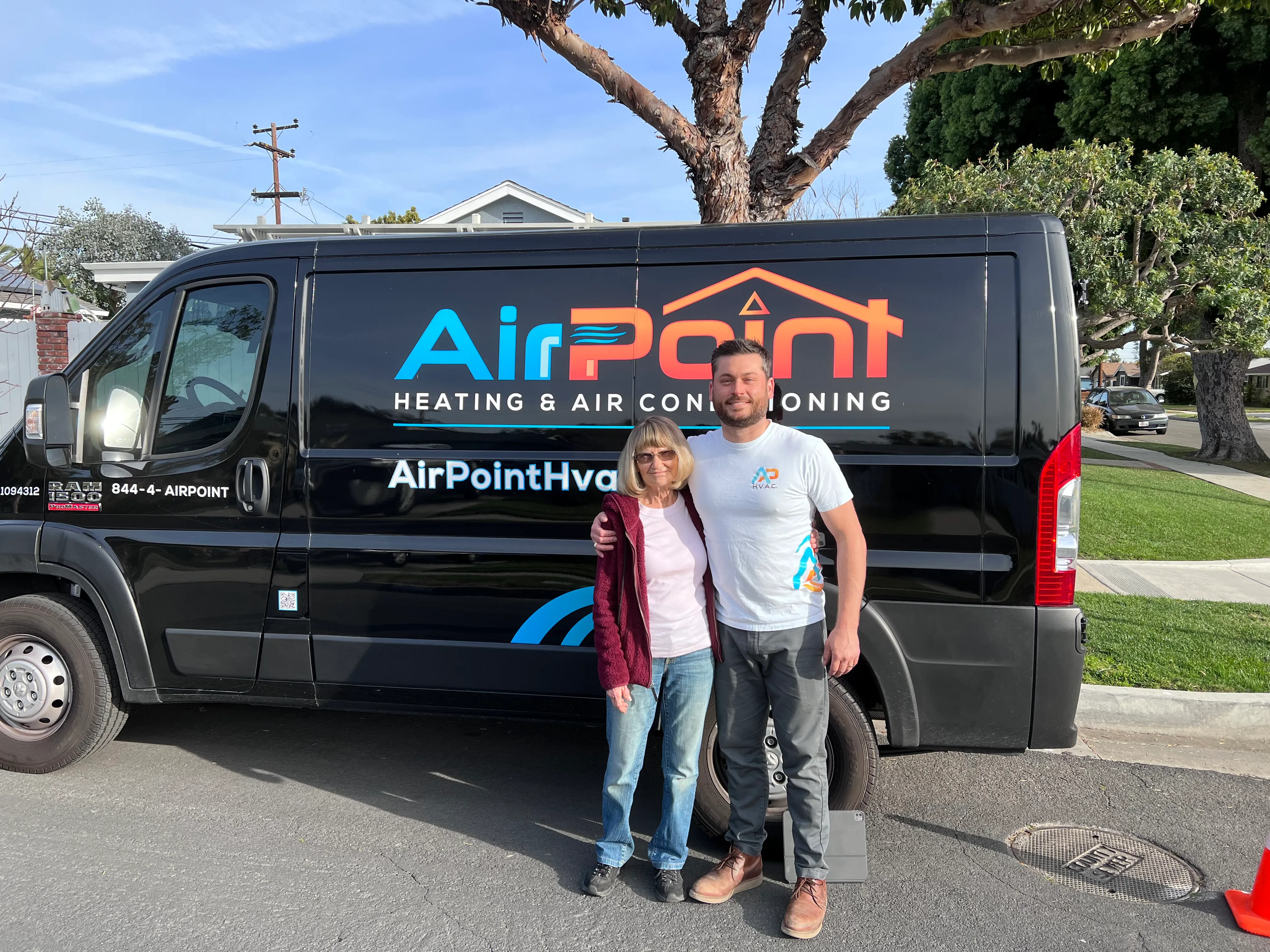
I recommend Air Point for your HVAC needs."