






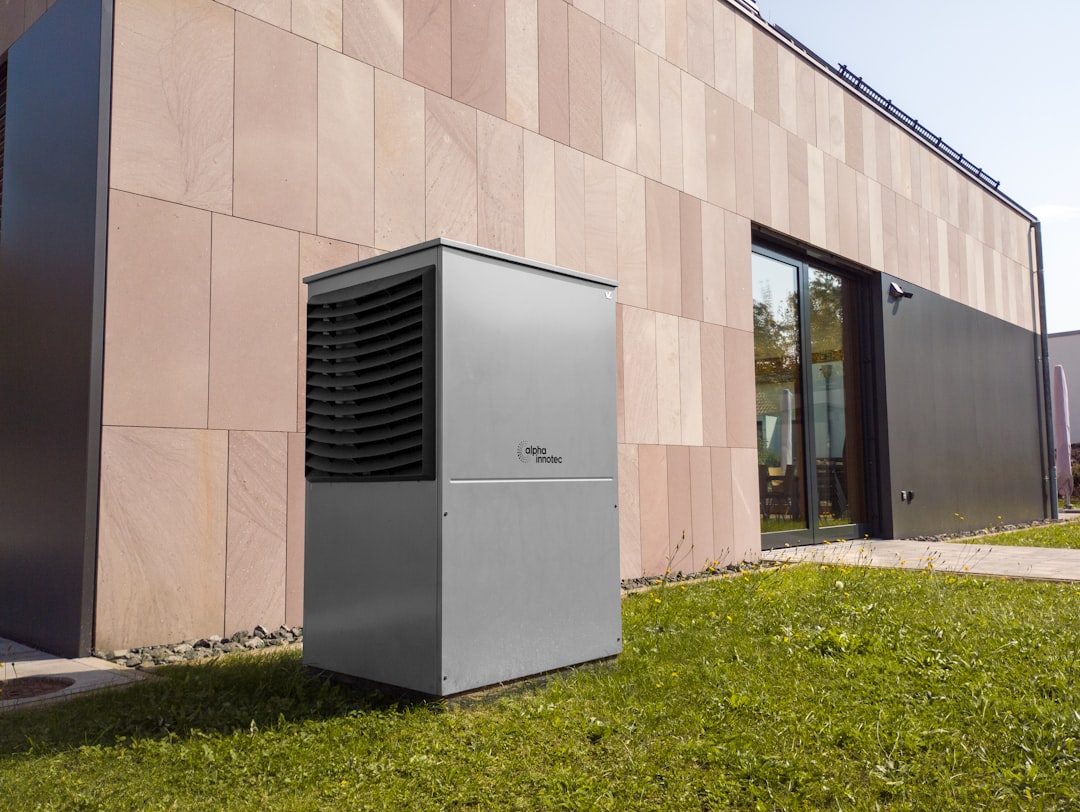
Why Heat Pump Advantages Over Traditional HVAC Matter for Orange County Homeowners
If you're weighing the heat pump advantages over traditional HVAC systems, here's the short answer: heat pumps are more energy-efficient, handle both heating and cooling in one unit, lower your carbon footprint, and can significantly cut your monthly energy bills — all while keeping your home more comfortable year-round.
Quick Comparison: Heat Pumps vs. Traditional HVAC
| Feature | Heat Pump | Traditional HVAC (Furnace + AC) |
|---|---|---|
| Heating & Cooling | Single system | Two separate systems |
| Energy Efficiency | 200–400% efficient | 80–98% efficient (furnace) |
| Carbon Emissions | Up to 40% less than gas | Higher (combustion-based) |
| Electricity Reduction | Up to 75% vs. electric resistance | Standard usage |
| Lifespan | 20–25 years | 15–20 years (AC) |
| Safety | No combustion risk | Carbon monoxide risk possible |
| Incentives | IRA tax credits + utility rebates | Limited incentives |
Here in Orange County, where summers get hot and winters stay mild, the case for switching is especially strong. Most homeowners are running a separate furnace and air conditioner — two systems to maintain, two systems that can break down, and two systems eating into your energy budget. A heat pump replaces both with a single, highly efficient unit that moves heat rather than generating it through burning fuel.
The result? Lower bills, cleaner air, and more even comfort throughout your home — without the safety concerns that come with combustion-based heating.
Whether your current system is aging out, your energy bills are creeping up, or you're tired of uneven temperatures from room to room, understanding the real-world advantages of heat pumps can help you make a smarter decision for your family and your home.
Understanding the Technology: Heat Pumps vs. Traditional HVAC
A heat pump sounds complicated, but the core idea is simple: it moves heat from one place to another.
Traditional HVAC usually means two separate jobs handled by two separate pieces of equipment:
- A furnace creates heat, often through combustion
- An air conditioner removes indoor heat and sends it outside
A heat pump does both. In cooling mode, it works much like a standard AC by pulling heat out of your home. In heating mode, it reverses that process and pulls heat from the outdoor air to warm your indoor space. That switch happens through a component called a reversing valve.
That is the biggest difference. A furnace creates heat. A heat pump transfers heat.
Because moving heat is generally more efficient than creating it, heat pumps can deliver more heating and cooling output for the energy they use. Many systems also include variable-speed compressors, which can adjust output gradually instead of constantly blasting on and off. Translation: better comfort, better humidity control, and less energy waste.
If you want a deeper look at ratings and performance, our Heat Pump Efficiency Guide breaks down what efficiency really means in everyday terms.

A few more technology points matter for Orange County homes:
- Heat pumps are dual-purpose, so one system can handle year-round comfort
- They run on electricity and do not rely on on-site fuel combustion
- They can work with ducted systems or ductless setups
- Modern inverter-driven models are built for steady, efficient operation
If you're comparing system types more broadly, our Central AC vs Ductless Mini Split Comparison can help you understand where each option fits.
Top Heat Pump Advantages Over Traditional HVAC
For many homeowners in Los Alamitos, Huntington Beach, Irvine, Mission Viejo, Newport Beach, and nearby Orange County communities, the biggest selling point is not just that heat pumps are newer technology. It is that they solve several comfort and efficiency problems at once.
Here is a practical side-by-side look:
| Category | Heat Pump | Traditional Furnace + AC |
|---|---|---|
| Number of systems | One | Two |
| Energy use for heating | Very low compared with electric resistance | Higher, depending on fuel and equipment age |
| Cooling performance | Comparable to high-efficiency AC | AC only |
| Indoor comfort | Steadier temperatures, strong humidity control | More temperature swings common |
| Emissions | Lower in most homes | Higher with fossil-fuel heating |
| Safety | No flame, no combustion gases | Requires combustion safety monitoring |
| Maintenance focus | One year-round system | Two separate systems to service |
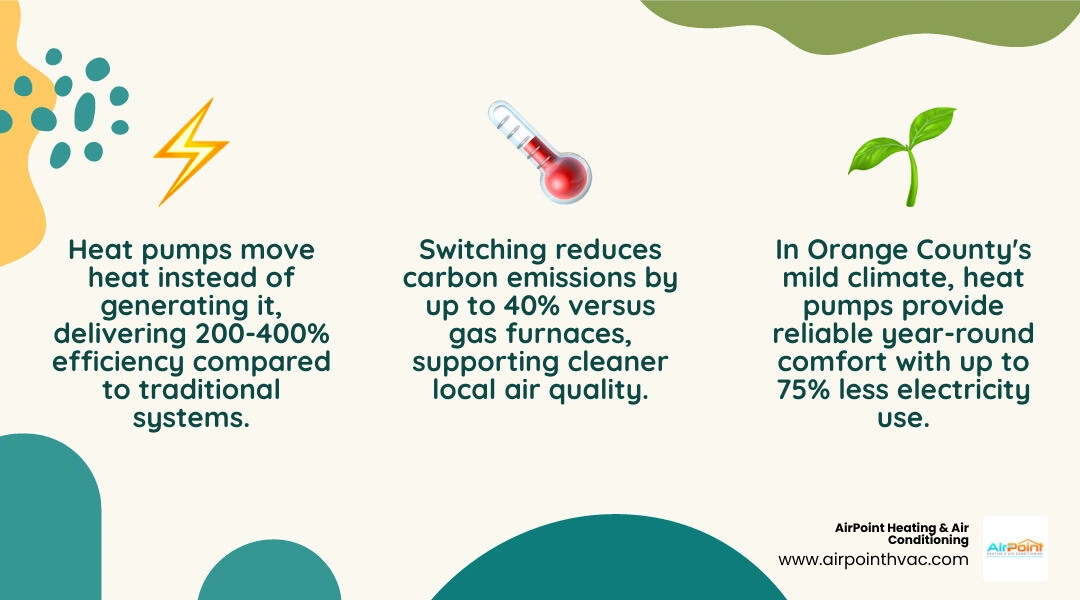
Research consistently shows that heat pumps can reduce electricity use for heating by up to 75% compared with electric resistance systems such as baseboard heaters or electric furnaces. Average U.S. households can save about $370 per year by switching, while homes moving away from less efficient systems may save closer to $1,000 annually. And if you are replacing an older central AC, an ENERGY STAR certified heat pump can save nearly $600 over the life of the system on cooling alone.
For more on real-world performance, visit our page on Energy Savings with Heat Pumps and our article about Heat Pump Benefits for Coastal California Homeowners.
Energy Efficiency and Heat Pump Advantages Over Traditional HVAC
If we had to choose the number one advantage, this would probably be it.
Heat pumps are efficient because they do not convert fuel into heat the way a furnace does. Instead, they use electricity to move heat. In many conditions, that allows them to operate at what looks like 200% to 400% efficiency. That sounds a little unfair, like a test where one student gets the answer key, but it is simply how heat transfer works.
Key efficiency advantages include:
Lower heating energy use
Heat pumps can use far less electricity than electric resistance heating. That matters a lot if a home currently relies on electric strips, wall heaters, or baseboards.High cooling efficiency
In cooling mode, a heat pump works like an air conditioner, and modern systems often come with strong SEER2 ratings that help reduce summer energy use.Better part-load performance
Variable-speed compressors let the system run longer at lower output instead of cycling hard on and off. That usually improves comfort and lowers waste.Smarter heating performance
HSPF2 ratings help measure heating efficiency, and high-performing models can deliver excellent performance during Southern California winters.One efficient system instead of two
A single system handling both heating and cooling can simplify operation and reduce duplication in equipment.
In a climate like Orange County, these efficiency gains are especially meaningful because we need cooling for a good part of the year, but winter heating demands are usually moderate rather than extreme. That is a sweet spot for heat pump performance.
Superior Comfort and Heat Pump Advantages Over Traditional HVAC
Efficiency gets the headlines, but comfort is what homeowners notice every day.
A well-designed heat pump system often improves comfort in ways that are hard to ignore:
- More even temperatures from room to room
- Longer, gentler run cycles
- Better humidity control during cooling season
- Fewer hot and cold swings
- Quieter operation in many cases
- Cleaner indoor air when paired with proper filtration and maintenance
Traditional furnaces often deliver short bursts of very hot air, then shut off. That can leave rooms feeling uneven, especially in homes with airflow issues. Heat pumps tend to maintain a steadier indoor temperature by running at lower levels for longer periods.
That steady operation can also help with dehumidification. In Orange County, coastal humidity and inland heat create different comfort challenges depending on where you live. A variable-speed heat pump can do a better job removing moisture during cooling season than a basic single-stage system that turns on, blasts air, and shuts right back off.
Indoor air quality matters too. While a heat pump is not an air purifier by itself, it supports cleaner indoor air in a few ways:
- No combustion byproducts inside the home
- Better compatibility with advanced filtration
- Consistent airflow that helps circulate conditioned air evenly
- Easier zoning options in some ducted and ductless systems
Our Comprehensive Heat Pump Service Guide explains how proper setup and maintenance help protect both comfort and system performance.
Performance and Reliability in the Southern California Climate
This is where heat pumps really make sense for our area.
Orange County does not typically deal with the kind of long, deep freezes that challenge heating systems in colder parts of the country. Instead, we get:
- Warm to hot summers
- Mild winters
- Coastal humidity in some areas
- Inland temperature swings in others
- A long cooling season compared with many U.S. regions
That climate profile is ideal for heat pumps.
In practical terms, homeowners in places like Huntington Beach, Seal Beach, Irvine, Garden Grove, Fullerton, and Mission Viejo can often rely on a heat pump for year-round comfort without the drawbacks that come with combustion-based heating. The technology is especially well-suited to areas where winter temperatures stay relatively moderate.
If you are exploring local installation options, see our Heat Pump Installation in Huntington Beach page and our Heat Pump Replacement in Mission Viejo page.
Modern systems are also more durable than many homeowners realize. Research commonly puts heat pump lifespan in the 20 to 25 year range, while a traditional central AC is often closer to 15 to 20 years. Real lifespan depends on sizing, installation quality, runtime, air quality, and maintenance, but properly maintained equipment can provide reliable service for many years.
A few reasons heat pumps perform well in Southern California:
- Mild winters reduce strain in heating mode
- Long cooling seasons make the AC side of the system especially valuable
- Variable-speed technology matches changing daily loads well
- Ductless and ducted options fit older homes, remodels, and additions
- Electrification aligns with many homeowners' energy and sustainability goals
Of course, reliability is not automatic. Like any HVAC system, a heat pump needs regular service to stay efficient and dependable. Dirty coils, airflow restrictions, refrigerant issues, and thermostat problems can drag down performance. That is why seasonal maintenance matters. Our article on Why Regular Heat Pump Service is Essential covers what we check and why it matters.
There are a few situations where traditional HVAC may still be preferable:
- Homes that already have a newer, high-efficiency furnace and AC in great condition
- Properties with specific fuel-preference goals
- Certain larger or more complex layouts where a hybrid or dual-fuel design makes more sense
- Projects where electrical upgrades are part of the decision and need to be evaluated carefully
In those cases, we often recommend a professional load calculation and home evaluation before making a switch. The right answer depends on the home, not just the trend.
Frequently Asked Questions about Heat Pumps
Do heat pumps work in cold weather?
Yes. Modern heat pumps absolutely work in cold weather.
Cold-climate models are now designed to keep operating at very low outdoor temperatures, with some systems capable of functioning even around -20 degrees F. In colder regions, supplemental or backup heat may still be used during extreme conditions.
But for Orange County, that is mostly a reassuring bonus rather than a daily concern. Our winters are mild enough that heat pumps generally perform very well for heating needs. In other words, if a modern heat pump can handle severe cold elsewhere, it is not likely to break a sweat on a chilly morning in Yorba Linda.
Can a heat pump replace both my AC and furnace?
In many homes, yes.
A heat pump is an all-in-one system that can replace a separate air conditioner and furnace. That can save space, simplify operation, and reduce the number of major systems you need to maintain. It can also make future upgrades simpler, since the heating and cooling functions are integrated into one setup.
Some homes may be better served by a dual-fuel system, which pairs a heat pump with a furnace for added flexibility. That is usually more relevant when homeowners want a backup heating option or when a home's design calls for a hybrid approach.
Are there financial incentives for switching?
Often, yes.
Depending on the year, product efficiency level, utility program, and household eligibility, homeowners may be able to take advantage of:
- Federal tax credits under the Inflation Reduction Act
- Utility company rebates
- State or regional energy-efficiency incentives
- ENERGY STAR-related savings opportunities
Research shows federal tax credits may cover 30% of qualifying project costs up to the program cap for eligible heat pumps, and utility rebates can further reduce the upfront burden. Incentive details can change, so we always recommend checking current program rules before moving forward in May 2026 and beyond.
Are heat pumps better for the environment?
For most homes, yes.
One of the strongest environmental benefits is lower emissions. Air-source heat pumps can reduce household carbon dioxide emissions by about 40% compared with gas furnaces on average, and the reduction can be even greater in regions with cleaner electricity. Nearly all U.S. homes can reduce their carbon footprint by switching to a heat pump, according to research cited in the materials above.
Heat pumps also avoid on-site combustion, which means no burning fuel in the home for heat. That is a meaningful step toward a cleaner, more electric home.
Are heat pumps safer than systems that burn fossil fuels?
They can offer important safety advantages.
Because heat pumps do not rely on combustion for heating, they avoid risks associated with burning fuel indoors, such as:
- Carbon monoxide concerns
- Gas leak concerns tied to heating combustion equipment
- Burner or flame-related issues
- Exhaust venting problems
That does not mean a heat pump is maintenance-free. It still needs professional service, airflow checks, and electrical inspections. But from a heating safety standpoint, eliminating combustion is a real benefit for many households.
What maintenance differences should homeowners know?
Heat pumps still need regular maintenance, but the maintenance is straightforward.
We recommend professional service at least twice a year, usually before heavy cooling season and before winter heating use. Typical maintenance includes:
- Cleaning coils
- Checking refrigerant levels
- Inspecting electrical components
- Testing thermostat operation
- Verifying airflow
- Replacing or cleaning filters as needed
Because a heat pump works year-round, wear patterns can be a little different from a seasonal AC. The upside is that you are servicing one primary comfort system rather than managing separate heating and cooling equipment.
Conclusion
For Orange County homeowners, the heat pump advantages over traditional HVAC are hard to ignore: better efficiency, lower emissions, improved comfort, fewer combustion-related safety concerns, and one system that handles both heating and cooling.
In a mild Southern California climate, those benefits often become even more practical. Heat pumps are built for exactly the kind of year-round comfort our area demands.
At AirPoint Heating & Air Conditioning, we help homeowners across Los Alamitos and surrounding Orange County communities choose smart, reliable comfort solutions for their homes. As a family-owned company, we believe honest service and real comfort go hand in hand, and we back our work with a 100% satisfaction guarantee.
If you are thinking about upgrading, replacing an aging system, or scheduling service for your current equipment, explore our Heat Pump Installation and Service page to book now for fast, reliable service.
Other Blogs
Latest Blog Posts
Why We Check Your Carbon Monoxide Detectors Before Firing Up Older Gas Furnaces

Navigating Belmont Heights' Historic District Rules for Exterior HVAC Equipment Replacements
Deciding Whether to Repair a Failing AC in September or Wait Until Spring

Customer Testimonials



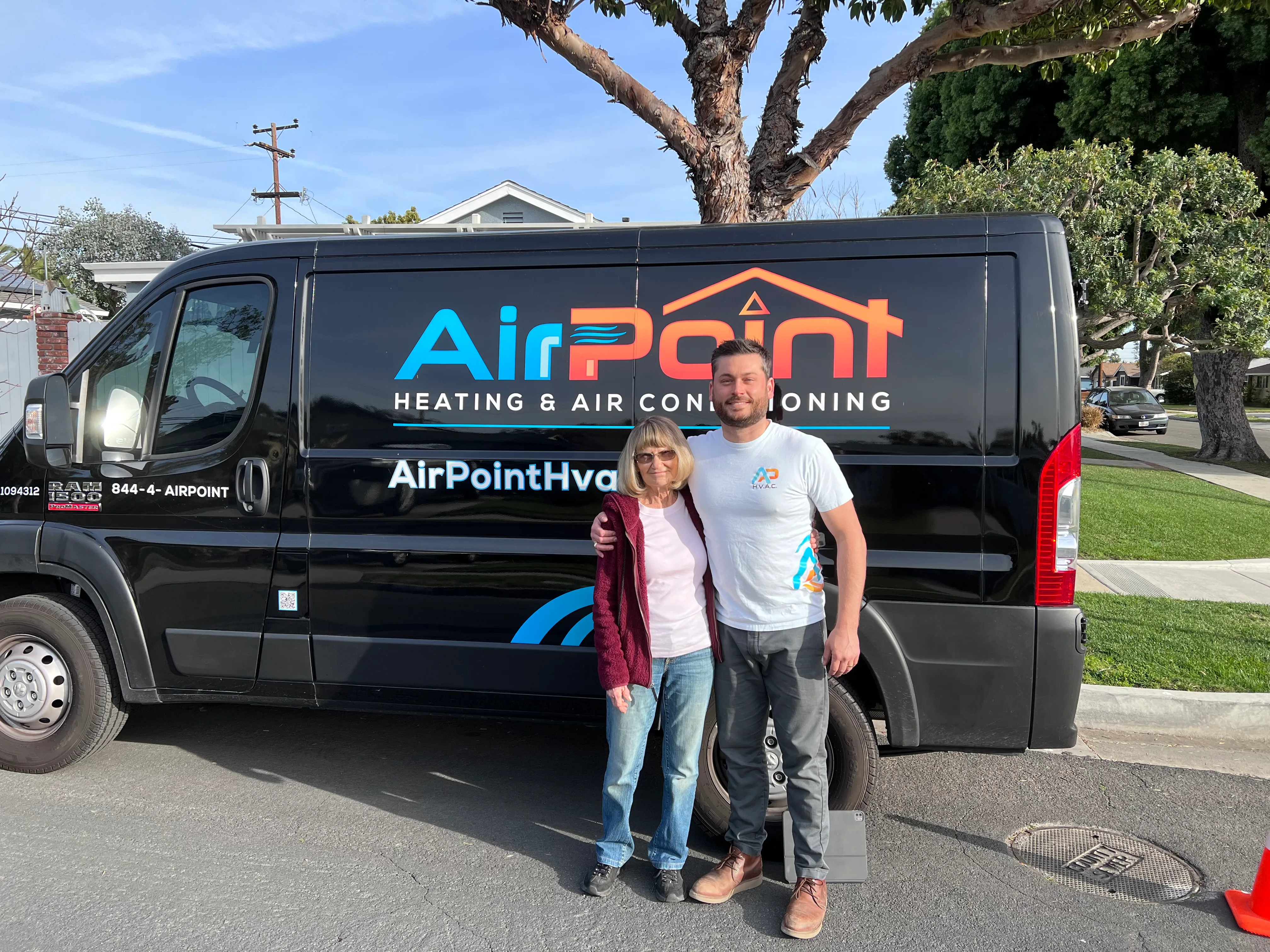
I recommend Air Point for your HVAC needs."