






Is Annual HVAC Maintenance Worth It? Here's the Short Answer
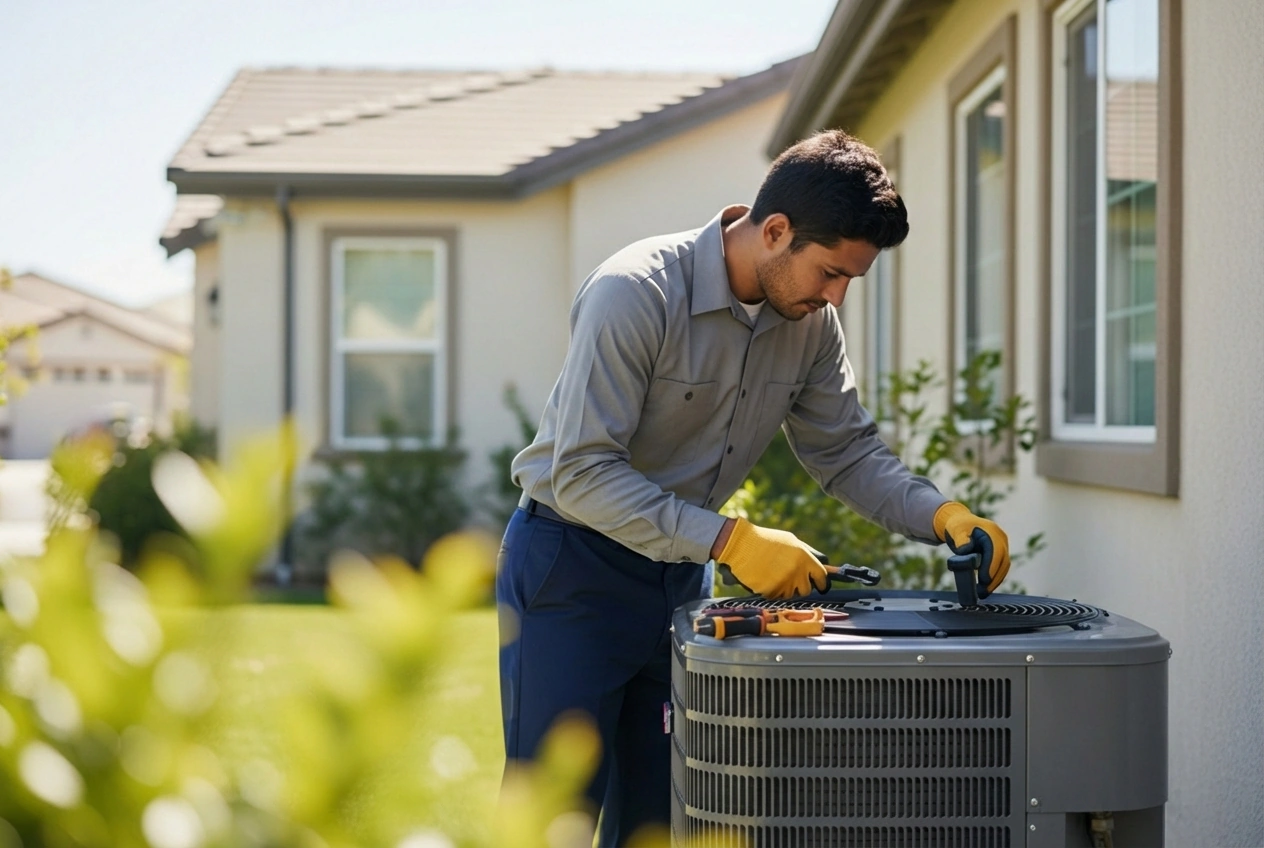
Annual HVAC maintenance is it worth it for most homeowners — and the evidence is hard to argue with. A system that gets regular professional care can last 15 to 20 years. One that gets ignored often fails in 10 years or fewer. That gap represents thousands of dollars in early replacement costs, higher monthly energy bills, and the kind of breakdowns that always seem to happen on the hottest day of the year.
Here's a quick look at why most homeowners in Los Alamitos and across Orange County benefit from annual HVAC maintenance:
- Longer equipment life - Well-maintained systems routinely reach 15-20 years; neglected ones often fail before 10
- Lower energy bills - Dirty coils, low refrigerant, and worn parts force your system to work harder, wasting energy every month
- Fewer emergency repairs - Routine visits catch small problems like a failing capacitor before they trigger a full system breakdown
- Warranty protection - Most manufacturers require documented annual service to keep parts warranties valid
- Better indoor air quality - Clean filters, clear drain lines, and inspected coils mean healthier air for your family
This guide walks through everything you need to know to decide whether a maintenance plan makes sense for your home, what it should include, and how to spot a plan that actually delivers value.
What Is an HVAC Maintenance Plan and What Does It Include?
Just like your car needs routine oil changes and your teeth need regular cleanings, your home heating and cooling system requires preventative care to operate safely and efficiently. An HVAC maintenance plan is a structured service agreement where professional technicians perform comprehensive inspections and tune-ups on your comfort systems.
When you invest in preventative care, you are not just paying for someone to look at your unit; you are securing a detailed multi-point safety and performance optimization. A high-quality tune-up follows a thorough checklist designed to keep your system running optimally. To understand the full scope of what should be checked, you can read our comprehensive HVAC Preventative Maintenance Guide.
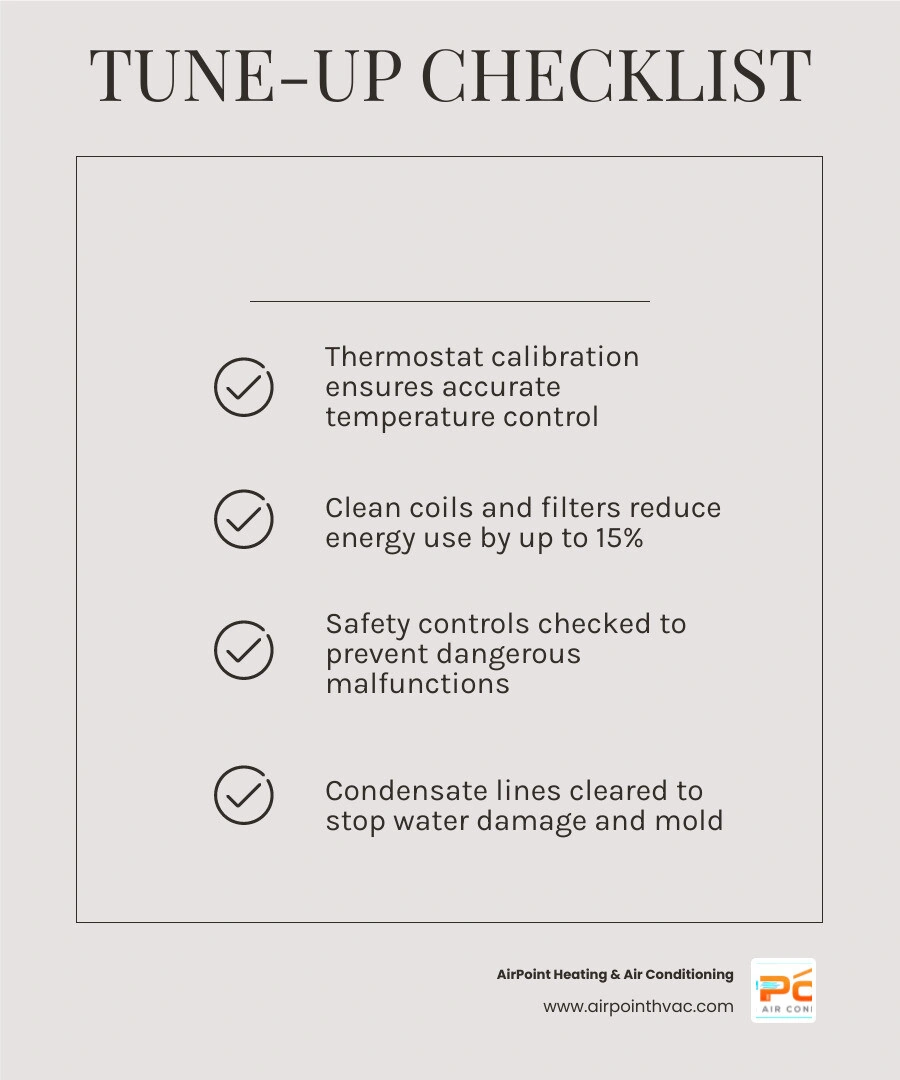
A standard professional tune-up typically includes:
- Thermostat calibration – Ensuring your thermostat accurately measures the temperature so your system doesn’t run longer than necessary.
- Electrical connection tightening – Measuring voltage and current on motors while tightening loose connections to prevent electrical hazards.
- Coil cleaning – Cleaning both the indoor evaporator coil and the outdoor condenser coil to maintain optimal heat transfer.
- Condensate line flushing – Clearing out algae, dust, and debris from the drain lines to prevent blockages that could cause water damage or ceiling leaks.
- Safety control testing – Verifying that safety sensors, limit switches, and flame sensors operate correctly to protect your home.
- Moving parts lubrication – Reducing friction in fan motors and bearings to prevent premature wear and tear.
Spring and Fall Checklists for Orange County Homes
Our unique Southern California climate means our systems face distinct operational demands. While we do not experience freezing blizzards, our coastal humidity in Seal Beach and Huntington Beach, combined with inland summer heat in Yorba Linda and Anaheim, means our heating and cooling systems must be ready for sudden shifts.
To keep your home comfortable year-round, professional maintenance is best scheduled seasonally:
- Spring Cooling Checklist: This visit focuses on preparing your air conditioning system or heat pump for the intense summer sunshine. Technicians will clean the outdoor condenser coils of dust and coastal salt spray, check refrigerant levels, inspect the fan blade, and ensure the condensate drain line is completely clear before the heavy cooling season begins.
- Fall Heating Checklist: Before the chilly winter evenings arrive in Fullerton or Mission Viejo, your heating system needs a safety check. For furnaces, this includes a critical inspection of the heat exchanger for cracks (which can leak carbon monoxide), testing the ignition system, cleaning the burner assembly, and verifying proper ventilation. For heat pumps, we test the reversing valve and defrost controls to ensure seamless heating performance.
Annual HVAC Maintenance: Is It Worth It for System Longevity and Efficiency?
When considering if annual hvac maintenance is it worth it, the two most significant factors to evaluate are equipment lifespan and monthly energy efficiency.
An HVAC system is one of the most expensive investments in your home. According to industry data, a well-maintained system can easily last 15 to 20 years, while a neglected unit often experiences major component failures and requires replacement in as little as 8 to 10 years. By keeping up with routine service, you can effectively double the lifespan of your equipment, delaying a costly replacement.
Furthermore, neglect directly impacts your monthly utility bills. The U.S. Department of Energy states that regular maintenance can reduce energy consumption by 5% to 15%. Without annual tune-ups, an HVAC system loses approximately 5% of its operating efficiency every single year due to dirt buildup, loose connections, and minor wear.
When dust coats your system's coils, it acts like a heat-trapping blanket, forcing the compressor to work much harder and run longer cycles to cool your home. This increased mechanical fatigue accelerates wear and tear, leading to higher monthly bills and premature system failure. To dive deeper into how routine care protects your investment, read about Why Regular AC Maintenance Is Crucial.
How Annual HVAC Maintenance Is It Worth It for Warranty Protection
Many homeowners do not realize that skipping professional service can have immediate financial consequences if a part fails. Almost every major HVAC manufacturer requires documented annual maintenance by a licensed professional to keep their parts warranties valid.
If your compressor or blower motor fails within its warranty period, the manufacturer will likely request proof of maintenance before shipping a replacement part. Without a paper trail of professional service records, your warranty claim could be denied, leaving you responsible for the full cost of the replacement part. Keeping a continuous history of annual maintenance is essentially an insurance policy for your equipment’s warranty.
Why Annual HVAC Maintenance Is It Worth It for Preventing Emergency Breakdowns
There is nothing worse than your air conditioner breaking down on a sweltering July afternoon in Irvine or Buena Park. Emergency repairs during peak season are stressful and can leave you waiting in a hot home for days while service companies manage backlogs.
Routine maintenance is designed for early detection. During a tune-up, a technician can easily spot a bulging capacitor, a worn contactor, or a small refrigerant leak. Replacing a minor, inexpensive part during a scheduled visit prevents that part from failing and causing a chain reaction that destroys a major component, like the compressor.
Additionally, many maintenance plans include priority scheduling, meaning that if you ever do experience an unexpected issue, you jump to the front of the line. For more details on how seasonal tune-ups keep your system reliable, explore the Annual AC Tune-Up Benefits.
Professional Service vs. DIY Homeowner Tasks
While professional service is essential, homeowners often wonder where the line is between DIY maintenance and tasks that require a certified professional. To understand how often different tasks should be performed, check out our guide on How Often Should You Service Your HVAC System.
What Homeowners Can Safely Do
Homeowners can easily manage several basic tasks to support their system's efficiency between professional visits:
- Replace Air Filters: Check your air filters monthly and replace them every 30 to 90 days. If you have pets, allergy sufferers, or live in a dusty area, more frequent changes are necessary.
- Maintain Outdoor Clearance: Keep shrubs, plants, leaves, and debris at least two feet away from your outdoor condenser unit to ensure unobstructed airflow.
- Keep Vents Clear: Ensure that furniture, curtains, and rugs are not blocking your home's supply and return vents.
- Gently Clean Coils: Homeowners can gently rinse the outdoor condenser coil with a garden hose (never a pressure washer, which bends the delicate aluminum fins) to remove surface dust.
Tasks Best Left to Licensed Professionals
Anything beyond basic cleaning and filter changes should be handled by a licensed professional. Opening up an HVAC cabinet exposes you to dangerous high-voltage electrical components and moving parts.
Furthermore, handling refrigerant requires specialized tools, training, and EPA certification. It is illegal for unlicensed individuals to handle or charge refrigerant. Tasks like inspecting heat exchangers for hairline cracks, lubricating internal motors, checking electrical current draw, and calibrating complex thermostats must be performed by certified technicians. For expert local care, you can schedule your HVAC Maintenance Orange County CA.
Evaluating the Value of an HVAC Service Contract
A professional service agreement or maintenance plan is designed to make regular upkeep effortless while offering extra perks. To help you weigh the decision, you can read our breakdown of Is an HVAC Maintenance Plan Worth It.
To see how pay-as-you-go service compares to a structured maintenance plan, review the comparison below:
| Feature | Pay-As-You-Go Service | Structured Maintenance Plan |
|---|---|---|
| Scheduling | Homeowner must remember to call annually | Automated reminders and priority scheduling |
| Emergency Response | Standard wait times during peak heatwaves | Priority scheduling and faster response times |
| Repair Discounts | Full price for parts and labor | 10% to 20% discount on repairs |
| Diagnostic Fees | Full fee charged per visit | Often waived or discounted |
| Warranty Compliance | Risk of forgetting service and voiding warranty | Consistent, documented service history |
Green Flags of a High-Value Maintenance Plan
When shopping for a maintenance agreement in Orange County, look for these signs of a high-value plan:
- Written Checklists: The company should provide a detailed, written checklist of every task performed during the visit.
- Clear, Transparent Terms: There should be no hidden fees, complicated cancellation policies, or long-term lock-ins.
- Certified Technicians: Ensure the technicians performing the work are fully licensed, insured, and certified.
- Meaningful Discounts: A good plan offers discounts on repairs and diagnostic fees that provide real value if a repair is ever needed.
For a detailed look at the advantages of choosing a high-quality plan, read about the Benefits of Regular AC Maintenance.
Red Flags to Avoid in Service Agreements
Be cautious of plans that exhibit these warning signs:
- Aggressive Upselling: If every single maintenance visit results in a high-pressure sales pitch for expensive accessories or system replacements, the contractor may be using the visit as a sales lead rather than a service call.
- Vague Checklists: Avoid plans that do not specify exactly what is included in their "tune-up."
- Suspiciously Low Pricing: Extremely cheap plans are often used by low-quality operators to get a foot in your door for unnecessary repairs.
Frequently Asked Questions About HVAC Maintenance
How often should you service your HVAC system in Southern California?
In Southern California, split systems (with a separate furnace and air conditioner) should be serviced twice a year—once in the spring for the AC and once in the fall for the heater. If you have a heat pump, which handles both heating and cooling year-round without a seasonal break, bi-annual service is especially critical to keep the system running efficiently. Learn more about how HVAC Maintenance Keeps System Running.
Does regular maintenance improve indoor air quality?
Yes, significantly. During a professional tune-up, technicians clean dust, pollen, and debris out of the system's internal components. This prevents these particles from circulating through your home's air. Cleaning the condensate drain line also prevents standing water from building up, which keeps mold and mildew from growing inside your system.
Is a maintenance plan necessary for a brand-new HVAC system?
Absolutely. A brand-new system is in its crucial break-in period, where early installation or manufacturing defects can be caught before they cause damage. More importantly, keeping up with professional maintenance from year one is necessary to validate and protect your manufacturer’s parts warranty.
Conclusion
When you look at the numbers, the answer to annual hvac maintenance is it worth it is a resounding yes. It protects your expensive equipment, keeps your monthly utility bills low, prevents stressful emergency breakdowns, and keeps your manufacturer's warranty active.
At AirPoint Heating & Air Conditioning, we believe that "comfort is happiness." As a family-owned business based in Los Alamitos, we serve homeowners across Orange County—from Newport Beach and Laguna Beach to Cypress and Yorba Linda—with honest, award-winning service backed by our 100% satisfaction guarantee.
Don't wait for the summer heat or winter chill to catch you off guard. Book professional HVAC maintenance today to schedule your precision tune-up and enjoy year-round peace of mind.
Other Blogs
Latest Blog Posts
Why Does My Heater Smell Like Burning Dust? A Mid-Fall HVAC Repair Guide
HVAC Repair: Decoding Fall Furnace Smells and Startup Issues
Home Maintenance Tips and Troubleshooting: Decoding Fall Heating Startup Symptoms

Customer Testimonials



I recommend Air Point for your HVAC needs."