






Addressing Fullerton's Unique Microclimate Shifts During Fall HVAC Transitions
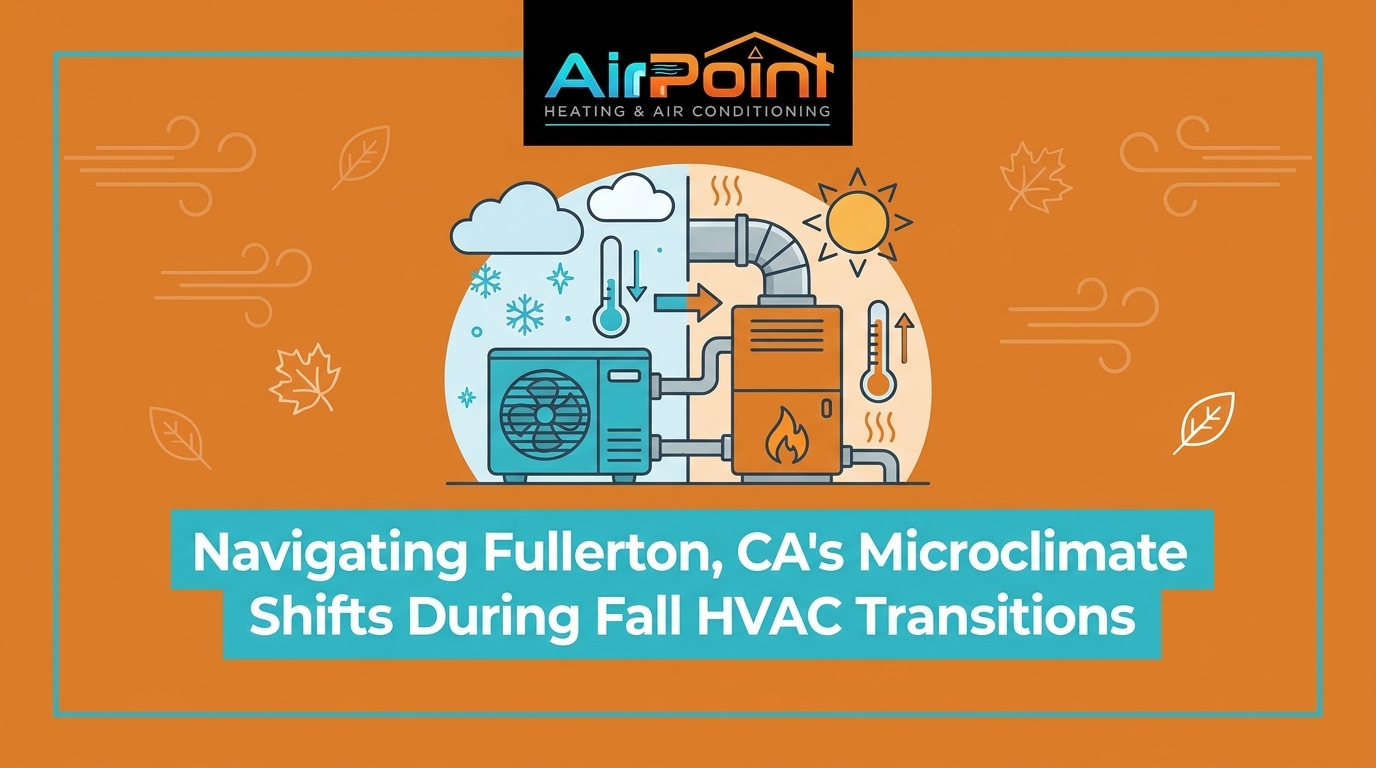
The 30-Degree Swing: Why Early Fall Challenges Your Home's Comfort
A staggering 20 to 30-degree temperature swing hits the local area in a single 24-hour period nearly every year as summer gives way to autumn. At AirPoint Heating & Air Conditioning, our team knows firsthand that addressing Fullerton's unique microclimate shifts during fall HVAC transitions requires more than just flipping a switch on the wall. When the daytime high reaches the upper 80s or low 90s, and the nighttime low plunges into the low 60s, a standard, manually operated thermostat schedule becomes entirely obsolete. Homeowners are left battling the dial, constantly adjusting settings to stay comfortable as the outdoor environment rapidly changes.
If your HVAC system is struggling to keep up with these massive daily fluctuations, it may be time to schedule HVAC service. The core problem during the September early fall transition is that traditional temperature management relies on a static approach to a dynamic weather pattern. This 30-degree diurnal swing confuses standard thermostat schedules that are programmed for either straight cooling or straight heating. The ultimate decision point we recommend for local homeowners is choosing to upgrade their thermostat programming strategies rather than fighting the equipment daily. A properly configured climate control system handles these extremes seamlessly, adapting to the environment without constant human intervention.
The Mechanics of Diurnal Shifts
To understand why this specific time of year is so demanding on your equipment, it helps to look at the daily workload. During a typical September day, the cooling demand peaks around 3:00 PM. Just a few hours later, as the sun sets, the thermal load on your home drops off a cliff. By 2:00 AM, the house is actively losing heat to the cool night air, creating a sudden demand for warmth. This rapid reversal forces the mechanical components to switch operational modes completely, which requires advanced logic to execute efficiently.
Understanding Fullerton's Inland Valley Topography
In our years serving Orange County, we've seen how the geographic reality of Fullerton plays a massive role in how indoor climate control must be managed. Positioned in an inland valley, the local topography physically blocks the consistent, cooling coastal breezes that regulate temperatures in beachside communities during the afternoon. While coastal Orange County cities might experience a mild, stable 10-degree variation throughout the day, the inland geography traps heat efficiently, driving daytime temperatures significantly higher.
As the sun sets, a meteorological phenomenon known as radiational cooling takes over. Because the inland air is typically drier, it lacks the moisture necessary to hold onto the heat accumulated during the day. This results in the temperature plummeting rapidly after dusk. Furthermore, the onset of Santa Ana wind patterns in September exacerbates this daytime heat before the rapid evening cool-down, creating an incredibly volatile environment for any climate control system to navigate.
Coastal vs. Inland Temperature Volatility
The differences in regional weather patterns directly dictate how equipment should be calibrated. Here is a breakdown of how the inland topography alters the daily climate profile:
• Coastal Orange County — Afternoon Heat Retention: Low (Regulated by ocean breezes) — Evening Radiational Cooling: Gradual, mild drop — HVAC Operational Impact: Stable, predictable cooling cycles
• Fullerton (Inland Valley) — Afternoon Heat Retention: High (Topography traps heat) — Evening Radiational Cooling: Rapid, sharp temperature plunge — HVAC Operational Impact: High volatility requiring dynamic switching
This specific weather pattern directly impacts indoor climate control because a home's thermal envelope is constantly under siege from opposing forces. The insulation is fighting off intense solar heat gain at 4:00 PM, and by midnight, it is struggling to retain warmth. Understanding this microclimate is the first step in configuring a system that can handle the stress.
The Hidden Cost of Manual Thermostat Adjustments
The problem: During the September early fall transition, one of the most common habits our technicians notice is homeowners manually switching between heating and cooling modes as the day progresses. You might wake up to a chilly house and bump the heat up, only to return from work to a sweltering living room and immediately crank the air conditioning down. This manual "yo-yo" effect is not just inconvenient; it actively damages the internal components of your equipment.
The cause: Forcing the system to rapidly compensate for extreme indoor temperature swings leads to a destructive mechanical process known as short-cycling. When you manually drop the temperature by ten degrees all at once, the compressor kicks on at maximum capacity. If the thermostat is then abruptly switched off or flipped to heat, the system stops before completing a full, efficient cycle. This places unnecessary wear and tear on your heating systems when they are abruptly engaged immediately after a heavy cooling cycle, stressing the heat exchanger, blower motor, and limit switches.
The solution: Moving away from manual adjustments prevents this mechanical chaos. Every time a system starts up, it draws a massive surge of electricity. By allowing the indoor temperature to drift wildly and then forcing the equipment to recover it manually, you are drastically increasing your energy consumption. Automated, intelligent programming stabilizes the run times, allowing the equipment to operate in long, efficient cycles rather than frantic, short bursts.
• Increased mechanical wear: Constant manual switching degrades contactors and capacitors faster than steady operation.
• Poor humidity control: Short cooling cycles fail to run long enough to extract moisture from the indoor air.
• Energy waste: Forcing a system to overcome a 10-degree deficit uses significantly more power than maintaining a steady temperature.
Leveraging Auto-Changeover for Seamless Comfort
The most effective tool we recommend for combating Fullerton's volatile fall weather is the auto-changeover feature found on modern smart thermostats. Auto-changeover allows the thermostat to command both the heating and air conditioning systems without any manual intervention from the homeowner. Instead of flipping a physical switch from "Cool" to "Heat," the thermostat is placed in an "Auto" mode, giving it full authority to decide which system needs to run based on real-time ambient data.
This feature is specifically engineered for climates that experience hot days and cold nights. The thermostat continuously reads ambient indoor temperatures, polling its sensors multiple times per minute to track the rate of temperature change. If the afternoon sun heats the living room past the cooling setpoint, the air conditioner engages. When the sun goes down and the rapid radiational cooling strips the heat from the house, the thermostat detects the drop and seamlessly engages the furnace once the heating setpoint is breached.
Protecting Your Equipment from Improper Use
One of the hidden benefits of auto-changeover is how it protects heavy mechanical equipment. Air conditioning compressors are not designed to operate efficiently when outdoor temperatures drop too low, as the refrigerant pressures can destabilize, potentially leading to a frozen evaporator coil or a damaged compressor. By utilizing an intelligent auto-changeover algorithm, the thermostat ensures that the cooling system is never improperly utilized during chilly evening hours, safeguarding the lifespan of the hardware while maintaining perfect indoor comfort.
Setting the Perfect Deadband to Prevent System Conflict
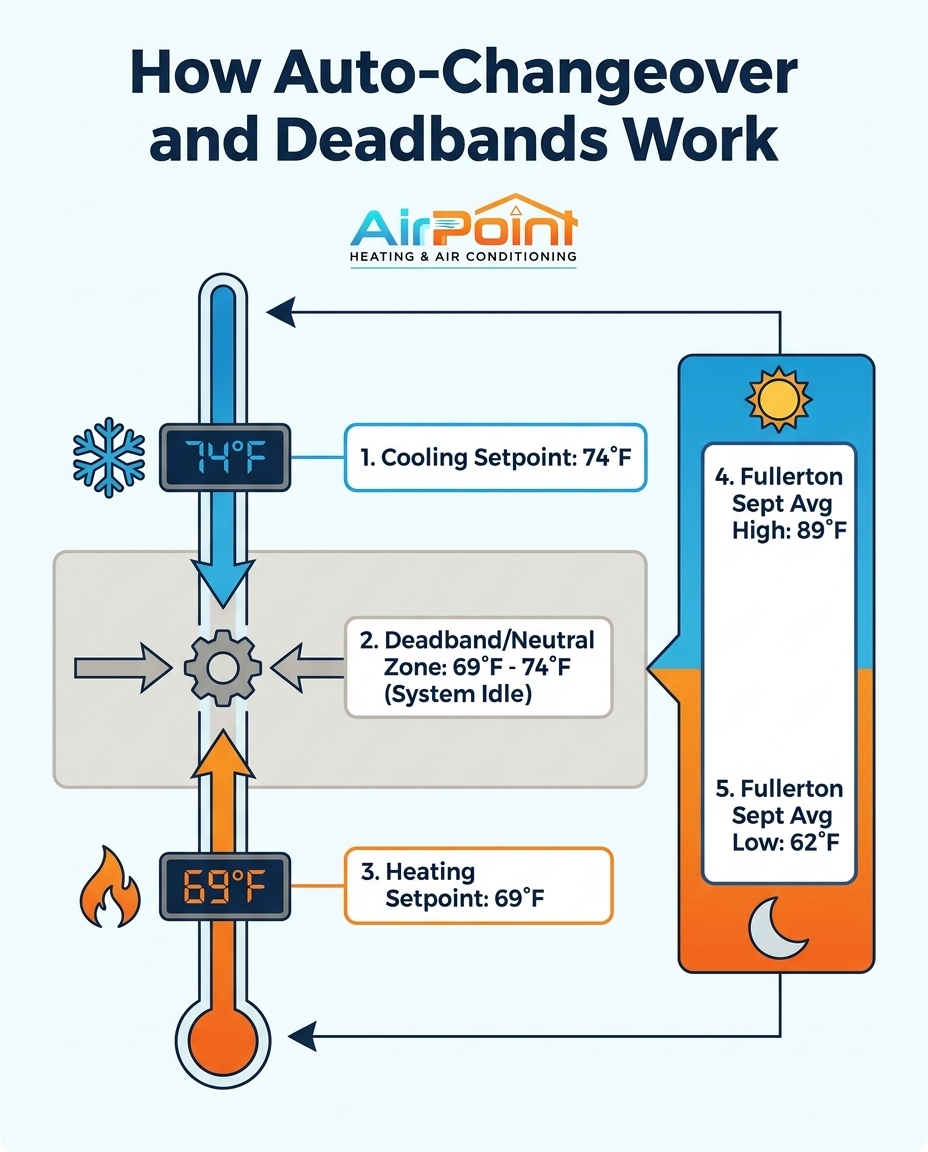
While auto-changeover is a powerful feature, it requires a carefully calibrated "deadband" to function correctly. A deadband, also known as a temperature differential or neutral zone, is the mandatory gap between your heating setpoint and your cooling setpoint. Without a proper deadband, the thermostat would become confused, rapidly firing the heater and the air conditioner back and forth in an endless loop as the temperature fluctuates by a single degree.
The Department of Energy (DOE) and ENERGY STAR guidelines strongly recommend establishing a minimum 3 to 5-degree deadband during the September early fall transition. This creates a comfortable neutral zone where neither the furnace nor the air conditioner is running, saving energy and giving the mechanical relays time to rest.
Steps to Configure Your Deadband
1. Select your ideal cooling threshold: Determine the maximum temperature you are comfortable with during the heat of the afternoon. For example, set the cooling limit to 74°F.
2. Determine your heating baseline: Decide the lowest temperature you can tolerate before needing warmth. Set this heating limit to 69°F.
3. Verify the neutral zone: Ensure there is at least a 3 to 5-degree gap between the two numbers. In this scenario, the deadband spans from 69°F to 74°F.
4. Activate auto-mode: Lock these settings into the auto-changeover profile. If the house is 72°F, the system will remain entirely idle, consuming zero energy.
By establishing this deliberate gap, you eliminate the risk of the heater and AC actively fighting each other during rapid outdoor temperature shifts. The home is allowed to naturally drift within this comfortable pocket, only engaging the heavy machinery when the temperature breaches the outer limits of the deadband.
Utilizing Adaptive Recovery for Morning and Evening Shifts
Beyond auto-changeover, the secret to mastering Fullerton's microclimate lies in a feature called adaptive recovery. Also known as smart recovery or early start, this algorithmic function completely changes how a thermostat approaches temperature transitions. Traditional thermostats are strictly reactive; if a schedule dictates the house should be 70°F at 6:00 AM, the system waits until exactly 6:00 AM to turn on, leaving you shivering while the equipment struggles to catch up.
Adaptive recovery is proactive. The smart thermostat actually learns the unique thermal profile of your specific home. It tracks how long it takes your equipment to raise or lower the indoor temperature by one degree, factoring in the current outdoor weather conditions. Using this historical data, the thermostat calculates exactly when to turn on the equipment so that the target temperature is achieved precisely at the scheduled time.
The Efficiency of Gradual Adjustments
This intelligent pacing prevents the system from blasting at 100% capacity just as the outdoor temperature is aggressively shifting. Instead of a frantic, high-energy sprint to heat the house on a chilly fall morning, the system might quietly engage a low-stage heating cycle 45 minutes early, easing the home into the target temperature. The long-term energy efficiency benefits of letting the system ease into these transitions are substantial, reducing the peak electrical load and minimizing the mechanical stress placed on the blowers and compressors.
Pre-Season System Checks for Volatile Weather Readiness
Advanced smart programming is only effective if the physical equipment is clean, calibrated, and mechanically capable of responding accurately to the thermostat's commands. Relying on auto-changeover during the September early fall transition puts unique stress on the system. The hardware must be able to switch from a heavy cooling cycle in the afternoon to a heating cycle at night without tripping safety sensors or stressing internal relays.
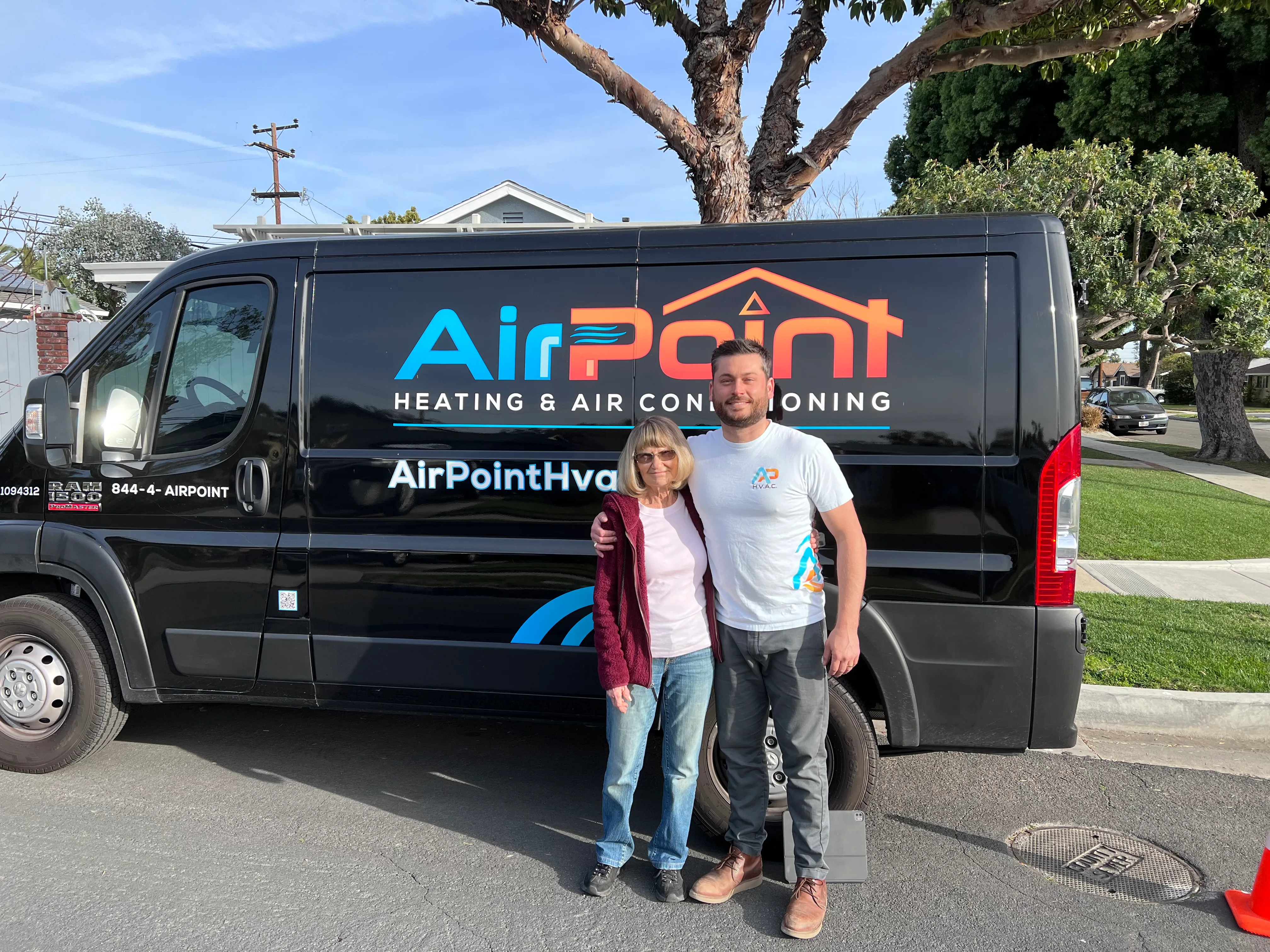
This is why a thorough preventative check is critical before the seasonal volatility peaks. Our technicians verify that the flame sensors, contactors, and blower motors can handle rapid switching without failure. For example, our team at AirPoint Heating & Air Conditioning recently performed a preventative early fall check for a local homeowner to ensure everything functioned correctly. A thorough inspection identified potential wear early on, leaving the customer confident in the system's smooth operation and preventing a breakdown during a severe temperature drop.
Critical pre-season readiness factors include:
• Clean air filters: A clogged filter restricts airflow, causing the heat exchanger to overheat or the evaporator coil to freeze during rapid transitions.
• Unblocked return vents: The system needs proper air intake to accurately read the indoor climate and distribute conditioned air evenly.
• Calibrated limit switches: These safety devices must be tested to ensure they don't improperly shut the system down during a rapid changeover.
If an inspection reveals that an aging system's relays and motors are failing under the stress of these diurnal swings, exploring options like AC installation in Fullerton might be the most reliable path to securing consistent comfort before the weather shifts entirely.
Frequently Asked Questions About Fall HVAC Settings
How to set thermostat for hot days and cold nights?
Use the auto-changeover feature if your smart thermostat supports it. You should set a cooling setpoint for the warm daytime hours and a heating setpoint for the chilly nights, ensuring there is a minimum 3-degree gap between them. This allows the system to manage the temperature swings automatically without you having to manually switch modes.
What is auto changeover on a thermostat?
Auto changeover is an advanced operational mode that allows a smart thermostat to automatically switch between heating and cooling based on the ambient indoor temperature. It operates entirely without manual user input, making it the ideal setting for transitional seasons where days are hot and nights are cold.
How do you set a deadband on a thermostat?
You can typically access the advanced settings or the auto-mode configuration menu on your smart thermostat interface to adjust this. You will need to set a temperature range (usually 3 to 5 degrees) where neither the heating nor the cooling equipment will activate, creating a neutral zone that prevents the systems from fighting each other.
Why does my AC turn on and off so quickly in the fall?
This rapid cycling is known as short-cycling, and it is highly detrimental to your equipment. In the fall, it is often caused by improper deadband settings, oversized equipment that cools the space too quickly, or a dirty air filter that severely restricts airflow during transitional weather.
Do inland microclimates require specific HVAC maintenance?
Yes, areas with extreme diurnal shifts put unique and repetitive stress on system relays, contactors, and limit switches. Because the equipment is frequently alternating between heating and cooling, pre-season calibration and mechanical inspections are critical for maintaining efficient and safe operation.
Optimize Your Comfort This Fall with Local Expertise
Managing severe temperature swings doesn't have to be a frustrating daily chore of constantly adjusting your thermostat. By matching modern smart thermostat technology—like auto-changeover and adaptive recovery—with a well-maintained, clean HVAC system, you can maintain perfect indoor comfort regardless of how wildly the outdoor temperatures fluctuate. Our team's deep local expertise at AirPoint Heating & Air Conditioning positions us as your premier authority for fine-tuning systems to handle Fullerton's specific weather patterns. If you want to ensure your equipment is calibrated perfectly for the season, take the time to schedule HVAC service and let our professionals optimize your home's climate control.
Other Blogs
Latest Blog Posts
Why We Check Your Carbon Monoxide Detectors Before Firing Up Older Gas Furnaces

Navigating Belmont Heights' Historic District Rules for Exterior HVAC Equipment Replacements
Deciding Whether to Repair a Failing AC in September or Wait Until Spring

Customer Testimonials



I recommend Air Point for your HVAC needs."