





Why the Energy Efficient HVAC and Home Value Connection Matters for Los Alamitos Homeowners
Understanding the energy efficient HVAC and home value connection is one of the most practical things you can do before selling — or simply investing in — your Orange County home. In Southern California's hot climate, where air conditioning runs hard for months at a time, buyers and appraisers alike pay close attention to the age, condition, and efficiency of your heating and cooling system.
Here's a quick snapshot of what the research shows:
| HVAC Upgrade | Estimated Home Value Boost | Additional Benefit |
|---|---|---|
| New high-efficiency HVAC system | 5% to 7% on average | Homes sell up to 11 days faster |
| Hot/competitive market (like Orange County) | Up to 10% | Fewer buyer repair demands |
| Heat pump installation | $1,260 to $2,280+ | Qualifies for federal tax credits |
| Ductless mini-split (per zone) | $600 to $4,350 | Adds zoned comfort and efficiency |
| Geothermal system | $1,300 to $7,300 | Highest long-term energy savings |
| ENERGY STAR certified system | 2% to 6% more at sale | Signals lower operating costs to buyers |
The bottom line: a modern, energy-efficient HVAC system does more than keep your family comfortable — it's a measurable financial asset. Appraisers factor in the remaining lifespan and condition of major systems, and buyers in warm climates like Los Alamitos increasingly treat a reliable, efficient HVAC system as a non-negotiable, not a bonus.
Whether you're thinking about listing your home or simply want to protect your investment, knowing how HVAC efficiency ties directly to property value puts you in a much stronger position.
Similar topics to energy efficient hvac and home value connection:
Understanding the Energy Efficient HVAC and Home Value Connection
When you think about building home equity, your mind might immediately wander to visible cosmetic upgrades like custom kitchen cabinets or quartz countertops. However, experienced real estate professionals in Orange County will tell you that the systems operating behind your walls often carry the most weight during a transaction.
Investing in a high-efficiency heating and cooling system is a powerful way to build real equity. Unlike highly subjective design choices—such as a bold paint color or a specific style of tile—heating and cooling are universal necessities. A modern system dramatically improves your property’s marketability, making it stand out in local listings in competitive areas like Newport Beach, Huntington Beach, and Irvine.
When buyers see a modern, efficient system, they see a home that has been meticulously cared for. This "invisible" improvement signals a high level of pride of ownership, reassuring buyers that the home's core infrastructure is sound. To understand how these mechanical upgrades translate into real-world equity, explore our detailed breakdown of How a New HVAC System Increases Home Value.
The Impact of Modern Systems on Property Appraisals
From an appraiser’s perspective, a home is more than just a collection of rooms; it is a complex asset with mechanical systems that have a specific "remaining economic life." When evaluating a home in Lakewood or Cypress, an appraiser looks closely at big-ticket items. If a home's heating and cooling system is near the end of its typical lifespan, the appraiser may note "functional obsolescence," which can lead to a downward adjustment in the property's overall valuation.
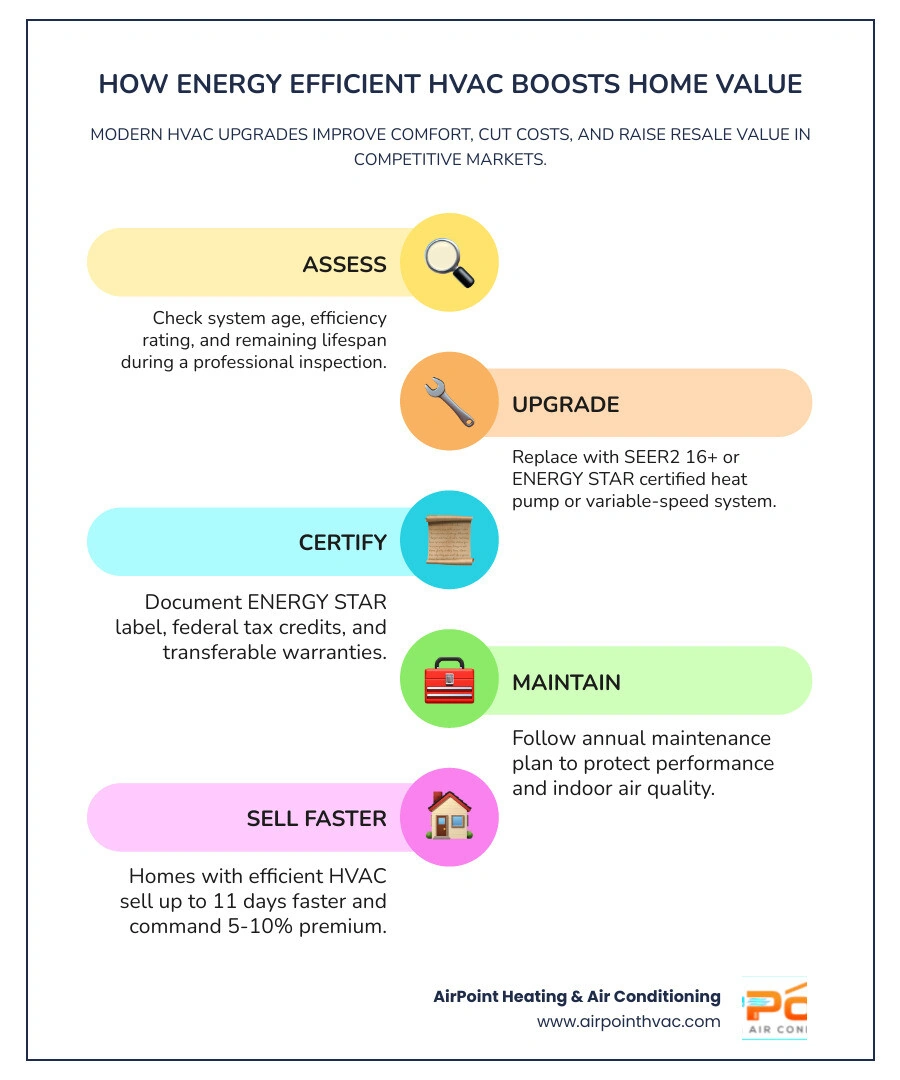
Conversely, a new, energy-efficient system can boost a home's appraised value by $5,000 to $10,000. Appraisers look at comparable sales (comps) in your immediate neighborhood. If your home features a state-of-the-art climate control system while similar nearby properties rely on aging, inefficient units, your home will receive positive adjustments. This valuation boost is crucial because it directly influences mortgage approval. Most lenders will not approve loans for properties with non-functional or severely deteriorated mechanical systems, making a modern upgrade a key safeguard for a smooth closing.
Why Southern California Buyers Prioritize the Energy Efficient HVAC and Home Value Connection
In Southern California, a high-performing air conditioner isn't a luxury item—it is an absolute necessity. Our Mediterranean climate brings long, warm summers and intense inland heat waves that put incredible demands on residential cooling systems. From the coastal breezes of Seal Beach to the warmer inland neighborhoods of Yorba Linda and Anaheim, keeping a home comfortable requires a system that can run efficiently without sending utility bills through the roof.
Modern buyers are highly educated. They know that monthly operating costs are a significant part of the true cost of homeownership. When evaluating a property, they look beyond the list price and ask to see recent utility bills. An energy-efficient system can cut cooling costs by 20% to 40%, translating to substantial monthly savings.
By upgrading to a system that handles our local climate with ease, you remove a massive hurdle for potential buyers. They won't have to worry about inheriting an immediate, expensive replacement project right after moving in. If you are wondering whether the upfront investment is truly worth it for your property, read our guide on Is a High Efficiency System Worth the Extra Cost.
Maximizing ROI with High-Efficiency HVAC Technology
When you decide to upgrade, choosing the right technology is the key to maximizing your return on investment (ROI). In June 2026, energy standards are more stringent than ever, and buyers are looking for systems that leverage the latest engineering to lower bills and protect the environment.
The primary metrics to look for are SEER2 (Seasonal Energy Efficiency Ratio 2) ratings and ENERGY STAR certification. SEER2 measures the cooling efficiency of air conditioners and heat pumps under updated, more realistic testing standards. While older systems might operate at a SEER rating of 10 or 12, modern high-efficiency systems boast SEER2 ratings ranging from 16 to 22+. Upgrading to an ENERGY STAR certified system not only ensures your home meets strict EPA efficiency guidelines but can also help your home sell for 2% to 6% more than non-certified properties.
To see how these efficiency metrics translate into financial returns at the closing table, check out our resource on HVAC Replacement Return on Investment.
Comparing Heat Pumps, Mini-Splits, and Central AC Systems
Different system types offer unique advantages when it comes to boosting your home's market value. Understanding these differences helps you make the most strategic choice for your property's specific layout.
| System Type | Typical Resale Value Boost | Best Suited For | Key Efficiency Feature |
|---|---|---|---|
| Air-Source Heat Pump | 4.3% to 7.1% average premium | Whole-home heating & cooling | Dual-fuel capability, high HSPF2 ratings |
| Ductless Mini-Split | $600 to $4,350 per zone | Homes without ducts, additions | Individual zone control, variable-speed |
| Central Air Conditioning | $1,170 to $2,370 average boost | Traditional ducted homes | High SEER2 ratings, whole-house comfort |
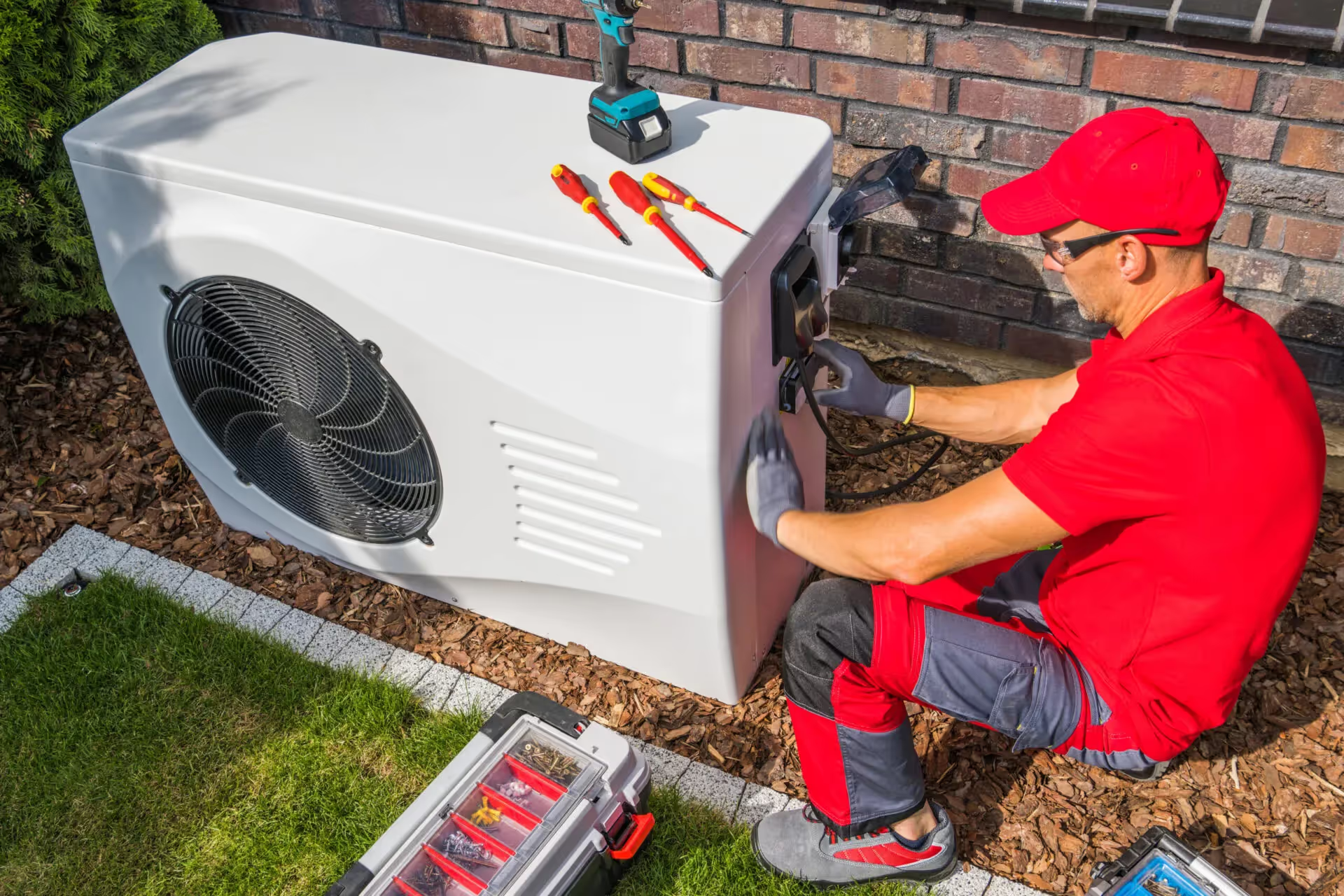
Modern heat pumps have become incredibly popular across Orange County, from Fullerton to Mission Viejo. Because they provide both heating and cooling in a single, highly efficient package, they appeal strongly to eco-conscious buyers looking to transition away from fossil fuels. To ensure your system operates at peak performance, you can learn how to Optimize Heat Pump Efficiency.
Variable-speed compressors are another game-changing feature. Unlike traditional single-stage compressors that constantly turn on and off at full blast, variable-speed systems run continuously at lower, whisper-quiet speeds. This maintains a perfectly consistent temperature, manages indoor humidity beautifully, and prevents the wear and tear caused by frequent system cycling.
Smart Thermostats and the Energy Efficient HVAC and Home Value Connection
One of the easiest and most cost-effective ways to highlight your home’s energy efficiency is by integrating smart home technology. Installing a smart thermostat—such as a system compatible with whole-home automation apps—adds immediate visual and modern appeal to your hallway.
Smart thermostats allow for automated scheduling, remote monitoring from a smartphone, and geofencing, which detects when you are returning home and adjusts the climate accordingly. Real estate data shows that smart home features can boost a property’s overall appeal by 3% to 5%. It shows buyers that the home is modern, convenient, and optimized for low-cost living.
Strategic Timing: When to Replace Your HVAC Before Listing
If your current heating and cooling system is between 12 and 15 years old, or if it has a history of frequent, costly repairs, replacing it before listing your home is a highly strategic move. Waiting for a buyer's home inspector to flag an old system often backfires. Buyers tend to dramatically overestimate the cost of a replacement and may demand massive price concessions that far exceed the actual cost of a professional installation.
Furthermore, the HVAC industry is undergoing major regulatory transitions. As of 2026, older refrigerants like R-22 are entirely obsolete, making repairs on older units incredibly expensive. Under the EPA's AIM Act, the industry has transitioned to eco-friendly, low-Global Warming Potential (GWP) refrigerants like R-454B. Installing a system that uses modern, compliant refrigerants future-proofs the home, giving buyers complete peace of mind.
Preparing Documentation to Maximize Resale Value
To capture the absolute maximum value from your HVAC investment, you must treat it like a documented financial asset. We recommend creating a dedicated "Home Energy Folder" to hand over to prospective buyers and appraisers. This folder should include:
- Detailed Maintenance Logs: Proof of annual professional tune-ups.
- Installation Receipts and Permits: Showing the work was completed legally by licensed, certified contractors.
- Warranty Documentation: Highlight transferable 10-to-12-year manufacturer warranties, which act as a powerful shield against post-purchase anxiety for the buyer.
- Energy Performance Ratings: Keep any documentation showing the system's SEER2 or ENERGY STAR certifications.
The Role of Regular Maintenance and Indoor Air Quality
If your existing system is under 10 years old and running well, you don't necessarily need a full replacement to impress buyers. Instead, focus on professional maintenance and indoor air quality (IAQ) upgrades. A clean, well-maintained system operates more efficiently and lasts longer. Discover the full advantages of keeping your system in top-tier shape by reading about the Benefits of Regular AC Maintenance.
Modern buyers, especially those with families or allergies, place a massive premium on healthy indoor air. You can elevate your home's appeal by upgrading to advanced whole-home filtration (such as MERV 13 filters) or installing whole-home air purifiers that reduce airborne allergens by 80% to 95%.
To keep your system running at peak efficiency year-round while keeping a solid paper trail for future buyers, find out why so many Orange County homeowners ask, Is an HVAC Maintenance Plan Worth It.
Frequently Asked Questions about HVAC and Home Value
Does a new HVAC system always increase home value?
While a new, energy-efficient system almost always improves a home's marketability and speed of sale, the exact dollar increase depends on your local market conditions and buyer perception. In warm, competitive Southern California neighborhoods like Huntington Beach or Irvine, a functional, highly efficient cooling system is considered a baseline expectation.
If your old system is broken or obsolete, replacing it is essential to prevent severe price drops or issues with buyer financing. If your system is already in good working order, a full replacement may not be necessary, but a professional tune-up is highly recommended to show buyers the home has been well-maintained.
What is the typical ROI for an energy-efficient HVAC upgrade?
When selling a home, the direct resale ROI for a new HVAC system typically ranges from 30% to 50% on the installation cost alone. However, when you factor in the annual utility bill savings of 10% to 30%, potential tax credits, faster home sales (up to 11 days faster on average), and the avoidance of costly pre-sale buyer concessions, the total financial recovery often reaches 50% to 80% or more.
How do tax credits and rebates affect the net cost of a new system?
Federal and state incentives can significantly lower the net cost of your upgrade, making high-efficiency systems much more accessible. Under the federal Inflation Reduction Act, homeowners can claim tax credits of up to $2,000 for qualified heat pump installations and up to $1,200 for high-efficiency air conditioners and smart thermostats.
Additionally, local utility companies and state programs offer lucrative rebates for energy-saving upgrades. To learn how to maximize these savings in Southern California, read our comprehensive guide on California Energy Rebates for HVAC Upgrades.
Conclusion
At AirPoint Heating & Air Conditioning, we know that your home is your most valuable asset, and your family's comfort is our top priority. As a family-owned, award-winning business serving Los Alamitos and surrounding Orange County communities—from Seal Beach and Cypress to Newport Beach and Mission Viejo—we are dedicated to providing honest, reliable, and expert service.
Investing in a high-efficiency HVAC upgrade is one of the smartest ways to lower your monthly utility bills, improve your indoor air quality, and secure a higher resale value when the time comes to sell. To ensure your new system is sized perfectly and installed to the highest industry standards, discover the Professional HVAC Installation Benefits that our licensed, certified technicians bring to every job.
Ready to experience the ultimate in home comfort and efficiency? Our friendly team is here to help you find the perfect system for your home, backed by our 100% satisfaction guarantee.
Other Blogs
Latest Blog Posts
Factoring in Heating Efficiency (HSPF) When Comparing Heat Pump Options in Fall
Do UV Light Purifiers Actually Neutralize Fall Mold Spores in Your HVAC System?
Diagnosing Short-Cycling in Oversized Furnaces Installed During the 90s Housing Boom

Customer Testimonials



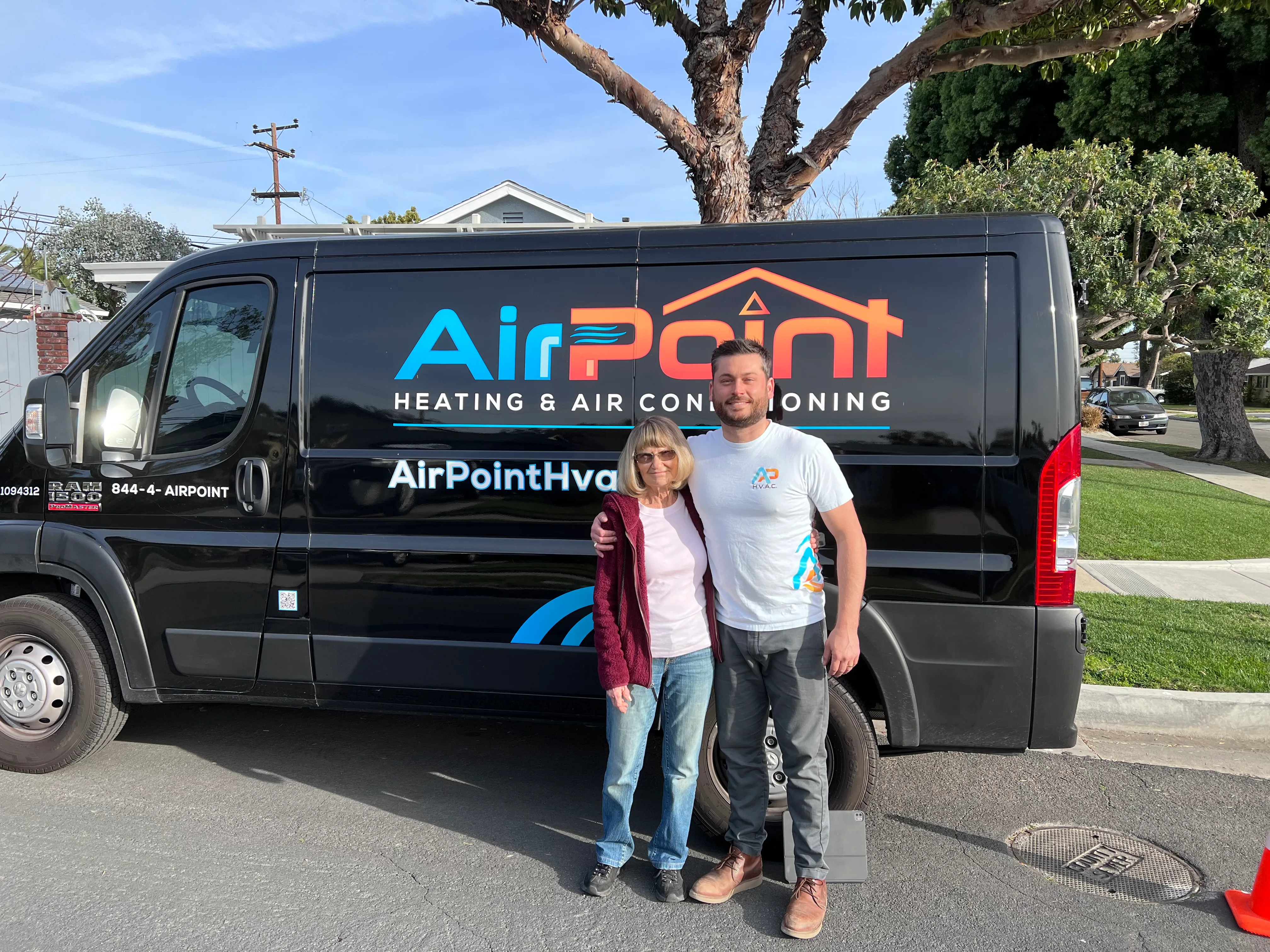
I recommend Air Point for your HVAC needs."