






How a Heat Pump Heats and Cools Your Home — And Why It's So Efficient
How does a heat pump work is one of the most common questions homeowners in Los Alamitos ask when their old furnace or AC finally gives out and they start exploring smarter options. The short answer: a heat pump doesn't generate heat — it moves it. In winter, it pulls heat from outdoor air and brings it inside. In summer, it reverses and pushes indoor heat outside. One system. Year-round comfort. And it does all of this using a fraction of the energy a traditional heating system burns through.
Here's a quick breakdown of how it works:
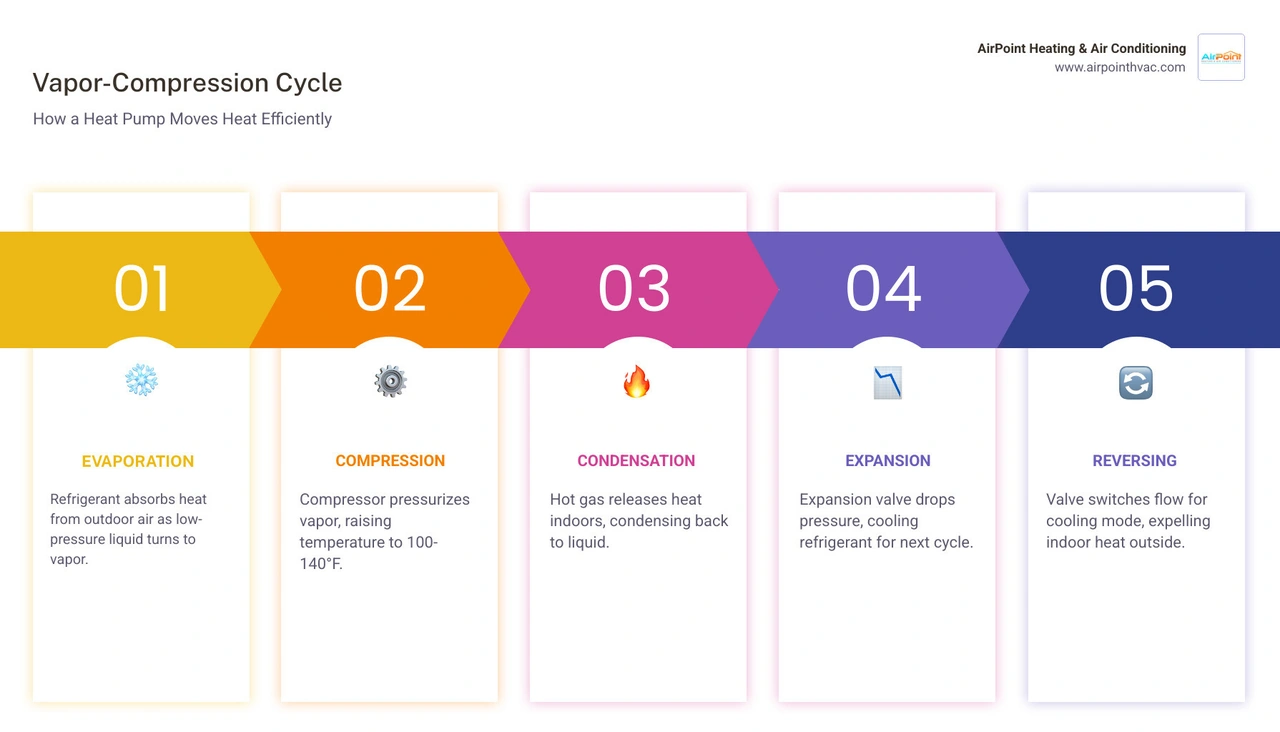
- Absorb — A refrigerant fluid circulates through the outdoor unit and absorbs heat energy from the air (even cold air contains heat energy)
- Compress — The compressor pressurizes the refrigerant, raising its temperature significantly
- Release — The now-hot refrigerant passes through the indoor unit and releases that heat into your home
- Expand — The refrigerant cools back down through an expansion valve, and the cycle starts again
- Reverse — In summer, a reversing valve flips the cycle so heat moves out of your home instead
This process can deliver 3 to 4 units of heat energy for every 1 unit of electricity consumed — making heat pumps 3 to 5 times more efficient than a conventional gas boiler or electric furnace.
If your Los Alamitos home is running on an aging heating or cooling system and your energy bills keep climbing, understanding how heat pumps work is the first step toward a more comfortable, cost-effective home.
What is a Heat Pump and How Does It Differ from Traditional Systems?
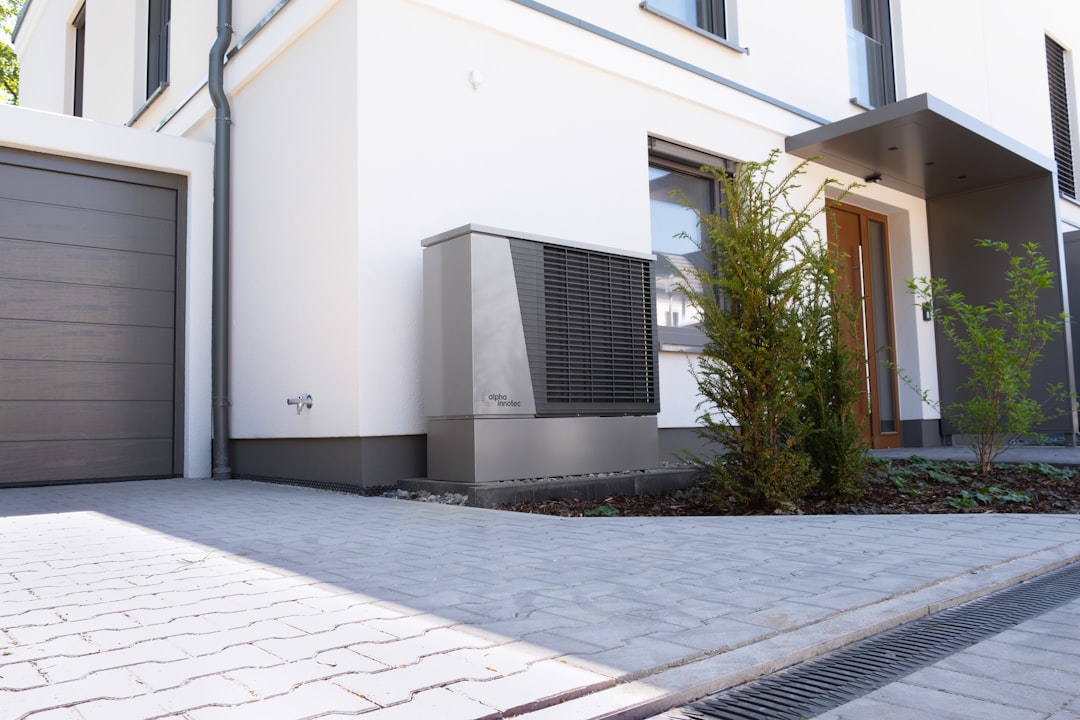
To the untrained eye, the outdoor unit of a heat pump looks almost identical to a standard central air conditioner. However, the technology inside is far more versatile. While a furnace creates heat by burning fuel (like natural gas or propane) and a central AC only cools, a heat pump is a dual-functionality powerhouse.
In our sunny pockets of Orange County, from Huntington Beach to Fullerton, we often deal with moderate winters and sizzling summers. A heat pump handles both seasons with ease.
| Feature | Heat Pump | Gas Furnace | Central Air Conditioner |
|---|---|---|---|
| Primary Function | Heating & Cooling | Heating Only | Cooling Only |
| Energy Source | Electricity | Natural Gas/Propane | Electricity |
| Mechanism | Heat Transfer | Combustion | Heat Transfer |
| Efficiency | 300% – 400% | 80% – 98% | 100% (for cooling) |
There are significant Heat Pump Benefits for Coastal California Homeowners, primarily because these systems thrive in our Mediterranean climate. Because they don't rely on combustion, they provide a much safer, "cleaner" feel to the air inside your home.
Moving Heat vs. Generating Heat
Think of a traditional electric space heater or a toaster. These use "resistive heating," where electricity is forced through a filament to create heat. It is a 1-to-1 transfer: you use one unit of energy to get one unit of heat. A furnace is similar; it burns fuel to create a flame.
A heat pump follows different thermodynamic principles. It acts like a "heat scout." It finds existing thermal energy in the outdoor air and uses a small amount of electricity to "pump" that heat into your living room. It is much easier to move something that already exists than to create it from scratch. This is why heat pumps are the gold standard for energy conservation in May 2026.
The Reversing Valve Advantage
The secret weapon of the heat pump is the reversing valve. This component allows the system to switch the direction of the refrigerant flow. With a simple flick of your thermostat in your Cypress or Cerritos home, the reversing valve changes the system from a heater to a cooler. This versatility means you only have to maintain one piece of equipment year-round instead of managing a separate furnace and AC.
The Science of Comfort: How Does a Heat Pump Work?
To understand how does a heat pump work, we have to look at the "refrigeration cycle." This is the same science that keeps your milk cold in the fridge, just scaled up to keep your entire house comfortable.
The system relies on four main components:
- The Compressor: The "heart" that pumps refrigerant and increases pressure.
- The Expansion Valve: A regulator that drops the pressure of the refrigerant.
- The Evaporator Coil: Where the refrigerant absorbs heat.
- The Condenser Coil: Where the refrigerant releases heat.
Refrigerant is a special fluid designed to boil at very low temperatures. By manipulating the pressure of this fluid, we can control when it absorbs heat and when it lets it go. High-quality Heat Pump Efficiency depends on these components working in perfect harmony.

Step-by-Step: How Does a Heat Pump Work in Heating Mode?
When you want to warm up your home on a chilly evening in Mission Viejo, the cycle looks like this:
- Extraction: The outdoor unit’s fan pulls air over the evaporator coil. Even if it’s 40°F outside, the refrigerant inside the coil is even colder, so it soaks up the heat from the air.
- Evaporation: As it absorbs heat, the liquid refrigerant turns into a low-pressure vapor.
- Compression: This vapor travels to the compressor, which squeezes it tightly. Just like a bicycle pump gets hot when you use it, the compressed gas becomes very hot.
- Release: This high-temperature gas flows to the indoor coil. Your home's blower fan pushes air across the hot coil, warming your house.
- Condensation: As the gas loses its heat to your indoor air, it cools down and turns back into a liquid, heading back outside to repeat the job.
Because the system works so hard, Heat Pump Maintenance Keeps System Running at peak performance. Without regular check-ups, dust and debris can prevent the coils from absorbing or releasing heat effectively.
Reversing the Cycle: How Does a Heat Pump Work in Cooling Mode?
When the Santa Ana winds kick up and you need cooling in Anaheim or Buena Park, the reversing valve flips. Now, the indoor coil acts as the evaporator (absorbing heat from your home) and the outdoor coil acts as the condenser (dumping that heat into the backyard).
It works exactly like a standard air conditioner, providing excellent humidity control and a crisp cooling effect. If you’ve ever felt the back of a refrigerator, you know it feels warm—that’s because it’s "pumping" the heat from inside the fridge out into your kitchen. Your heat pump does the same for your whole house.
Efficiency and Performance: Understanding COP and SEER2
When we talk about efficiency, we use two main "yardsticks": COP and SEER2.
- COP (Coefficient of Performance): This measures how much heat you get out compared to the electricity you put in. A typical heat pump has a COP of around 4.0. This means for every 1 kWh of electricity used, you get 4 kWh of heat. That is essentially 400% efficiency!
- SEER2 (Seasonal Energy Efficiency Ratio): This measures cooling efficiency over a typical season. In 2026, modern units often reach ratings of 18 to 24 SEER2.
To truly Optimize Heat Pump Efficiency, homeowners should ensure their homes are well-insulated. A heat pump is a precision instrument; it works best when the house can hold onto the air it provides.
Why Heat Pumps Are More Efficient Than Gas Boilers
A gas boiler or furnace is limited by the laws of physics—it can never be more than 100% efficient because it cannot create more energy than is contained in the fuel it burns. Most modern high-efficiency furnaces max out at 95-98%.
Because heat pumps leverage "latent heat" and simply move existing thermal energy, they are 3 to 5 times more efficient. This is a massive leap forward for anyone looking to lower their monthly utility bills. Why Regular Heat Pump Service is Essential is that even a small refrigerant leak or a dirty sensor can drop that 400% efficiency down significantly.
Supporting Net Zero and Carbon Reduction
Heat pumps are the "hottest" appliance in the world right now for a reason. Buildings account for nearly 40% of global emissions, mostly from heating. By switching to electric-powered heat pumps, we can satisfy over 80% of global space heating needs with a much lower carbon footprint. As of 2021, the world had over 1000 GW of heat pump capacity, and that number is skyrocketing as we move toward net-zero goals.
Exploring the Different Types of Heat Pump Systems
Not every home is built the same, which is why there are several ways to install this technology.
Air-Source vs. Ground-Source Performance
- Air-Source Heat Pumps (ASHP): These are the most common in Orange County. They pull heat from the ambient air. They are easier to install and perfect for our climate.
- Ground-Source (Geothermal): These systems use a "ground loop" of pipes buried in the earth. Since the ground stays at a constant 50-60°F year-round, these are incredibly stable and efficient, with a COP often between 3 and 6. However, they are more complex to install.
If you are looking for a Heat Pump Installation Guide West Garden Grove CA, you'll find that air-source units are usually the preferred choice for residential retrofits.
Ductless Mini-Split Applications
For homes in Seal Beach or Lakewood that don't have existing ductwork, ductless mini-splits are a lifesaver. These connect an outdoor unit to one or more indoor air handlers mounted on the wall. They allow for "zonal heating," meaning you can heat the bedroom without wasting energy on the kitchen. If your old system is failing, check out our Heat Pump Replacement Guide South Cypress CA for more on these flexible options.
Performance in Extreme Weather: Can Heat Pumps Handle the Cold?
One of the biggest myths is that heat pumps don't work in the cold. But remember the physics: heat exists in any environment above absolute zero (-273°C or 0 Kelvin). Even at 25°F, there is plenty of heat energy for a modern refrigerant to grab.
Operating Limits and Backup Heating
While older models struggled when temperatures dipped below 35°F, modern "cold-climate" heat pumps use variable-speed compressors to remain effective down to -5°F or even -22°F.
In some cases, we might recommend a dual-fuel system (also called a hybrid system). This pairs a heat pump with a gas furnace. The heat pump handles the vast majority of the year, but if a rare deep freeze hits, the furnace kicks in as a backup. This ensures you’re never left shivering. If you ever notice your system struggling during a cold snap, our Heat Pump Repair Huntington Beach CA Guide can help you troubleshoot.
Optimal Temperatures for Maximum Efficiency
Heat pumps are at their absolute best in moderate climates like ours. In Orange County, we rarely hit the "thermal balance point" where a heat pump loses its edge. Most of the year, your system will be running in its most efficient "sweet spot," providing a gentle, even heat that doesn't feel as "drying" as a traditional furnace blast.
Homeowner Considerations for Installation in Orange County
Before you make the switch, there are a few things to keep in mind. Proper Expert Heat Pump Installation is about more than just bolting a unit to the ground.
- Sizing: A system that is too small won't keep up, and one that is too large will "short-cycle," wasting energy.
- Insulation: To get the most out of your investment, ensure your attic and walls are well-insulated.
- Airflow: Heat pumps move more air at lower temperatures than furnaces, so your ductwork needs to be in good shape.
Advantages and Disadvantages to Weigh
Pros:
- One system for both heating and cooling.
- Massive reduction in monthly utility bills.
- Even heat distribution (no more cold spots!).
- Long lifespan of 15–25 years with maintenance.
Cons:
- Higher upfront investment compared to a basic AC.
- Efficiency can drop in extreme, sub-zero temperatures (rare for us!).
Incentives and Environmental Impact
Thanks to the Inflation Reduction Act and local California programs, there are significant federal tax credits and rebates available for heat pump installations. These incentives can cover a large portion of the upgrade, making the long-term ROI even more attractive. Plus, you’ll be doing your part for the environment by reducing your home's carbon footprint. For residents in the area, our Heat Pump Service Cypress CA page offers more details on local support.
Frequently Asked Questions about Heat Pump Operation
Do heat pumps work in freezing temperatures?
Yes! Modern heat pumps are designed with refrigerants that have incredibly low boiling points. This allows them to extract heat even when it feels "freezing" to us. Cold-climate models are now used successfully in places like Alaska and Norway.
Is a heat pump as good as an air conditioner for cooling?
It’s actually the same technology. A heat pump is an air conditioner that has been given the ability to run in reverse. It will cool your home just as effectively as a dedicated AC unit, and often with better energy efficiency ratings (SEER2).
How long do heat pump systems typically last?
With proper care, a heat pump can last between 15 and 25 years. However, living near the coast in places like Newport Beach or Huntington Beach means salt air can be tough on outdoor coils. Following Essential Heat Pump Maintenance Tips—like regular cleaning and professional inspections—is the best way to protect your investment.
Conclusion
Understanding how does a heat pump work reveals why this technology is taking over the HVAC world. It's a smarter, cleaner, and more efficient way to stay comfortable. At AirPoint Heating & Air Conditioning, we are your local Los Alamitos comfort experts. As a family-owned, award-winning business, we're dedicated to providing honest, expert solutions across Orange County.
Whether you're in Mission Viejo, Irvine, or Cypress, we're here to help you navigate the switch to a high-efficiency heat pump. We back all our work with a 100% satisfaction guarantee, ensuring your home stays a haven of comfort all year long.
Ready to upgrade your home's comfort? Heat Pump Service is just a click away. Book Now for fast, reliable service you can trust!
Other Blogs
Latest Blog Posts
Common Homeowner Questions Answered: Why Does My Heater Smell Like Burning?

Why Is My Heater Smelling or Clicking? A Fall Startup Troubleshooting Guide
Why Does My Heater Smell Like Burning Dust? A Mid-Fall HVAC Repair Guide

Customer Testimonials



I recommend Air Point for your HVAC needs."