






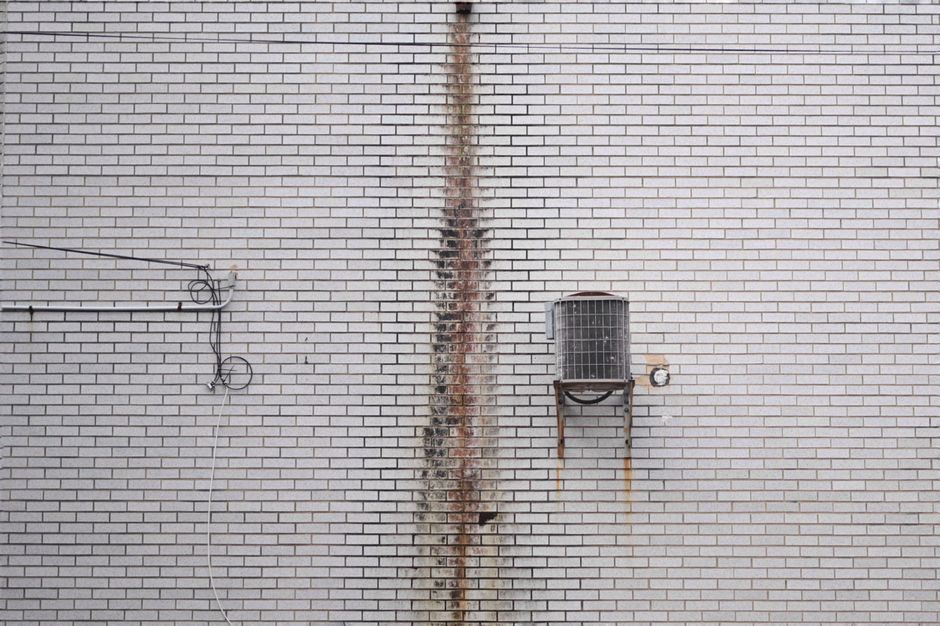
Why the Dirty Condenser Coil and AC Performance Connection Is Costing You More Than You Think
The dirty condenser coil and performance connection is one of the most overlooked reasons homeowners in Los Alamitos end up with sky-high energy bills and a house that just won't cool down — especially during Orange County's brutal summer months in June 2026.
Here's a quick breakdown of what a dirty condenser coil actually does to your system:
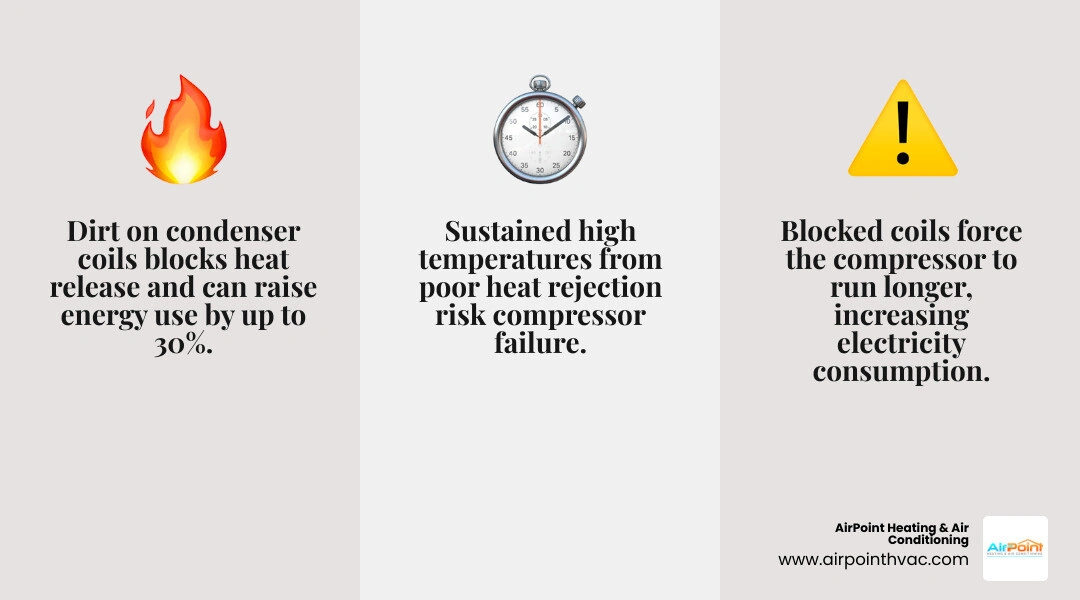
- Blocks heat release — dirt coats the coil fins and traps heat that should be expelled outdoors
- Forces longer run times — your AC keeps running because it can't reach your set temperature
- Raises system pressure — the compressor works harder, drawing more electricity
- Spikes energy bills — the Department of Energy links dirty coils to up to a 30% increase in cooling energy use
- Risks compressor failure — sustained overheating can shorten your system's life from 15 years down to 7 or 8
Think of it like trying to cool down while wrapped in a blanket. The dirt on your outdoor coil acts like insulation — it doesn't let heat escape, so your entire cooling system struggles just to keep up.
Most homeowners focus on the thermostat or the air filter when their AC underperforms. But the outdoor condenser unit is often where the real problem hides. A layer of grime you can barely see with the naked eye can quietly drain your comfort and your wallet at the same time.
Understanding the Dirty Condenser Coil and AC Performance Connection
To understand why a dirty condenser coil is such a massive problem, we have to look at how your air conditioner actually works. Your AC doesn't "create" cold air; instead, it removes heat from inside your home and dumps it outside. This continuous thermal exchange is called the refrigeration cycle, and your outdoor condenser unit is the unsung hero of the entire process.
Inside your home, the indoor evaporator coil absorbs heat from your indoor air into the refrigerant. The refrigerant then travels through copper lines to the outdoor unit. Here, the compressor pressurizes the refrigerant, raising its temperature even higher so that it is hotter than the outdoor air.
As the outdoor fan pulls ambient air through the aluminum fins of the condenser coil, heat naturally flows from the hot refrigerant to the cooler outdoor air. This process condenses the refrigerant vapor back into a liquid state so it can head back indoors to collect more heat.
When a layer of dirt, pollen, and dust builds up on the surface of the condenser coil, this vital heat transfer process grinds to a halt. Because the heat cannot escape, the refrigerant cannot cool down properly. This direct link between a dirty condenser coil and performance connection issues means your system has to run much longer and at significantly higher pressures just to achieve a fraction of its normal cooling capacity. To dive deeper into how this dynamic impacts your monthly expenses, take a look at our guide on the AC Maintenance Impact on Energy Bills.
How Dirt Acts as an Insulator and Blocks Heat Release
The outdoor condenser coil is made of copper tubing woven through thousands of thin, delicate aluminum fins. These fins are designed to maximize the surface area exposed to the air, allowing heat to dissipate as quickly as possible. However, because these aluminum fins are packed so closely together, they act like a giant electrostatic air filter, catching any airborne debris that passes by.
Over time, dust, lawn clippings, and pollen form a thin, felt-like layer over the coil surface. This layer acts as a highly effective thermal blanket. In thermodynamics, dirt has incredibly poor thermal conductivity. Instead of letting heat radiate out into the atmosphere, the dirt traps the heat inside the copper tubing.
This thermal insulation leads directly to a breakdown in "subcooling." Subcooling is the process of cooling the liquid refrigerant below its saturation temperature before it heads back to the indoor expansion valve. When subcooling fails due to dirty coils, the refrigerant doesn't fully condense.
Instead of a steady stream of pure liquid refrigerant reaching your indoor unit, you get "flash gas" — a bubbly, inefficient mixture of liquid and gas. This severely reduces the cooling capacity of your indoor evaporator coil, leaving you with lukewarm air blowing out of your vents.
Why the Dirty Condenser Coil and AC Performance Connection Spikes Energy Bills
When your condenser coil is insulated by a layer of grime, your air conditioner has to work twice as hard to do its job. Because the system cannot reject heat efficiently, the pressure within the refrigeration lines climbs rapidly. In a piston-type or scroll compressor, higher head pressure means the compressor must apply more mechanical force to pump the refrigerant.
This mechanical strain translates directly to a spike in electrical amperage draw. Simply put, your compressor starts guzzling electricity. According to the Department of Energy, dirty coils can increase your cooling system's energy consumption by up to 30%. Even minor coil fouling can easily increase your monthly electricity costs by 16% or more.
Because the system struggles to dump heat, your cooling cycles stretch out. Instead of running a standard 15-to-20-minute cycle, your AC might run for 45 minutes or even continuously throughout the hottest parts of the afternoon. These extended run times, combined with the elevated electrical draw, are a recipe for utility bill sticker shock during Orange County summers.
Fortunately, scheduling regular tune-ups can reverse this trend. Most homeowners experience an immediate energy usage reduction of about 15% after a professional service. You can learn more about how to keep your system operating at peak efficiency by reading about AC Tune-Ups Maximizing HVAC Efficiency.
Warning Signs Your Outdoor Unit is Struggling
Because the outdoor unit sits quietly in your backyard or on the side of your house, it is easy to forget about it until something goes catastrophically wrong. However, your air conditioner will drop several clues when a dirty condenser coil and performance connection issue begins to restrict its operation.
If you notice any of the following warning signs, your system is likely crying out for a deep clean:
- Warm air coming from your supply vents: If the air blowing from your registers feels lukewarm or room-temperature even when the system has been running for hours, heat is likely trapped in your outdoor unit.
- Extended or continuous cooling cycles: An air conditioner that never seems to turn off is a classic sign of reduced heat transfer capacity.
- High indoor humidity: Because the system is struggling to maintain proper refrigerant pressures, the indoor coil cannot drop low enough in temperature to properly condense moisture out of your indoor air.
- A struggling thermostat: If your thermostat is set to 72°F but the indoor temperature stubbornly hangs at 77°F, your system has lost its cooling capacity due to coil blockages.
Catching these signs early can save you from a complete system breakdown during a heatwave. For more proactive tips on keeping your system in top shape, check out our guide on 5 Ways to Keep Your Air Conditioner Running Smoothly.
Physical Symptoms of a Blocked Condenser
If you suspect your condenser coil is dirty, you don't have to guess. You can walk outside and inspect the outdoor cabinet for several physical symptoms of distress:
- An extremely hot outdoor cabinet: If you place your hand near the top or sides of the outdoor unit and it feels like an oven, the system is holding onto heat rather than exhausting it.
- Unusual noises: As head pressure rises, the compressor has to work under extreme stress. This often causes it to emit a loud, strained humming, buzzing, or metallic rattling sound.
- Short cycling: To protect itself from overheating, your system may trip its internal thermal overload switch, causing the outdoor unit to shut down abruptly only to turn back on a few minutes later once it cools down.
- Ice on the refrigerant lines: While it sounds counterintuitive, a dirty outdoor coil can cause a severe pressure imbalance that drops the pressure in your indoor evaporator coil too low, causing the indoor lines to freeze over.
The Dirty Condenser Coil and AC Performance Connection to Compressor Failure
The absolute greatest risk of ignoring a dirty condenser coil is the premature death of your compressor. The compressor is the heart of your HVAC system, and it is also the most expensive single component to replace.
When a dirty coil prevents heat rejection, the temperature of the refrigerant leaving the compressor — known as the discharge temperature — climbs rapidly. Under normal operating conditions, this discharge temperature should stay well below 225°F.
Once the discharge temperature exceeds the 225°F threshold, the specialized lubricating oil inside the compressor begins to break down and carbonize. This process, known as oil breakdown, turns the protective lubricant into a gritty, acidic sludge. Without proper lubrication, the moving metal parts inside the compressor grind against one another, leading to rapid mechanical wear, electrical shorts, and eventual compressor seizure.
While a well-maintained AC system in Seal Beach or Cypress should easily last 10 to 15 years, a system that is constantly running hot due to dirty coils may suffer complete compressor failure in just 7 or 8 years. For a closer look at how local climate conditions accelerate this wear and tear, read about AC Compressor Issues in Los Alamitos Heat.
Common Causes of Grime Buildup on Orange County AC Units

Living in beautiful Orange County brings plenty of sunshine, but it also exposes our outdoor AC units to a unique blend of environmental debris. Depending on whether you live right on the coast in Huntington Beach or further inland in Anaheim, your condenser coils are constantly fighting against various airborne contaminants:
- Grass Clippings: When mowing your lawn, blowing grass clippings directly toward your outdoor unit is one of the fastest ways to clog the fins. The running fan acts like a vacuum, sucking the green clippings deep into the coil rows.
- Pollen and Cottonwood Fuzz: During the spring "yellow haze" season, sticky pollen coats the coil fins, creating a tacky surface that catches and holds every subsequent piece of dust.
- Coastal Salt Air: For our neighbors in Newport Beach and Seal Beach, salt spray from the ocean combines with moisture to form a corrosive crust on aluminum fins, restricting airflow and accelerating rust.
- Dust and Soil: Inland areas like Yorba Linda and Fullerton experience dry, dusty winds that deposit fine layers of silt deep within the coil cabinet.
- Pet Hair and Dander: If you have outdoor pets or if your dog loves to hang out near the AC unit, shed fur can quickly mat across the coil face, completely blocking airflow. If you have furry friends at home, you'll want to check out our AC Maintenance Tips for Pet Owners.
Professional Maintenance vs. Safe Homeowner Prevention
When it comes to keeping your condenser coils clean, there is a clear boundary between safe homeowner preventative maintenance and tasks that should be left to licensed professionals.
As a homeowner, the best thing you can do is focus on prevention. Keep a clear "clearance zone" of at least two to three feet around your outdoor unit. Trim back any bushes, vines, or low-hanging branches that could restrict airflow or drop leaves into the fan. When mowing, always aim your lawnmower discharge chute away from the AC unit.
For light, superficial debris, you can turn off the power to the unit at the outdoor disconnect box and use a gentle garden hose to rinse the outer cabinet. Always spray at a downward 45-degree angle to flush dirt down and out of the fins. To understand why keeping up with these basic habits is so vital to your system's overall health, read our article on Why Regular AC Maintenance Is Crucial.
Why DIY Deep Cleaning Risks Damaging Your System
While a quick rinse with a garden hose is perfectly safe, attempting a deep DIY chemical or high-pressure clean of your condenser coils can quickly lead to disaster.
The aluminum fins on your condenser coil are incredibly delicate — often about the thickness of a standard soda can. One of the most common mistakes homeowners make is using a pressure washer or a high-pressure jet nozzle on their garden hose. The intense pressure will instantly flatten and crush the aluminum fins. Once these fins are bent flat, they permanently block airflow, rendering the coil useless and forcing an expensive coil replacement.
Additionally, off-the-shelf acid-based coil cleaners can be highly corrosive. If not rinsed off completely, these chemicals will eat away at the copper tubing, leading to microscopic refrigerant leaks. Furthermore, opening the electrical cabinet or removing the fan assembly without proper training poses severe electrical safety risks and can void your manufacturer's warranty.
What a Professional Precision Tune-Up Includes
When our certified technicians at AirPoint Heating & Air Conditioning perform a professional coil cleaning, we use specialized tools and techniques to ensure your system is cleaned safely and thoroughly:
- Safe Power Isolation: We safely disconnect the high-voltage power supply to protect both the technician and your system's delicate control boards.
- Debris Extraction: We remove the top fan assembly to gain access to the interior of the cabinet, allowing us to blow out loose leaves, twigs, and nests from the inside out.
- Non-Acidic Alkaline Cleaners: We apply professional-grade, foaming alkaline cleaners that expand inside the coil rows, pushing deeply embedded grime out to the surface without corroding the metal.
- Inside-Out Low-Pressure Rinse: We rinse the coils from the inside out using controlled, low-pressure water streams to thoroughly flush away all chemical and dirt residue.
- Fin Straightening: We use precision fin combs to gently straighten any bent aluminum fins, restoring optimal aerodynamic airflow.
- Performance Testing: Once the coil is completely dry, we measure the system's "delta T" (the temperature difference between supply and return air) and monitor operating pressures to confirm your system's efficiency has been fully restored.
Investing in this level of professional care pays dividends in system longevity and lower monthly bills. Learn more about what you stand to gain by exploring the Benefits of Regular AC Maintenance.
Frequently Asked Questions About AC Coil Maintenance
How often should condenser coils be cleaned?
For most homes in Orange County, we recommend a professional condenser coil cleaning at least once a year, ideally in early spring before the summer heat sets in.
However, if your home has heavy pet hair, is located near a dusty construction site, or has lots of flowering trees nearby, you may benefit from a mid-season check or cleaning every 3 to 6 months to prevent efficiency drops.
Can a dirty condenser coil cause my indoor AC to freeze up?
Yes! It sounds strange that a dirty outdoor unit can cause ice to form indoors, but it all comes down to refrigerant pressure.
When the dirty condenser coil prevents proper heat rejection, the compressor operates under extreme stress, causing a severe pressure imbalance throughout the entire refrigeration loop. If the pressure in the liquid line drops too low as a result of this imbalance, the temperature of the indoor evaporator coil will plummet below freezing, causing the condensation on the indoor coil to lock up into solid ice.
Will cleaning my coils immediately lower my power bill?
Absolutely. Cleaning moderately to heavily soiled coils can instantly improve your system's Energy Efficiency Ratio (EER) by up to 20%.
Most homeowners see an immediate drop of about 15% in their cooling energy consumption right after a professional coil cleaning and precision tune-up. Over the course of a hot Orange County summer, those savings can easily pay for the cost of the maintenance visit itself.
Conclusion
The connection between a dirty condenser coil and performance connection issues is clear: neglecting your outdoor unit is the fastest way to invite high energy bills, poor indoor comfort, and catastrophic compressor failure into your home. Fortunately, keeping your coils clean is one of the simplest and most cost-effective ways to protect your investment and ensure your family stays cool all summer long.
At AirPoint Heating & Air Conditioning, we are committed to keeping our neighbors in Los Alamitos and across Orange County comfortable and happy. Our family-owned, award-winning team provides fast, honest, and expert HVAC solutions backed by our 100% satisfaction guarantee.
Don't let a dirty outdoor unit burn out your compressor or drain your bank account this summer. Book professional air conditioning service today for prompt, reliable, same-day service!
Other Blogs
Latest Blog Posts
Factoring in Heating Efficiency (HSPF) When Comparing Heat Pump Options in Fall
Do UV Light Purifiers Actually Neutralize Fall Mold Spores in Your HVAC System?
Diagnosing Short-Cycling in Oversized Furnaces Installed During the 90s Housing Boom

Customer Testimonials



I recommend Air Point for your HVAC needs."